
Science
Scientists Uncover 26 New Bacterial Species in NASA Cleanrooms

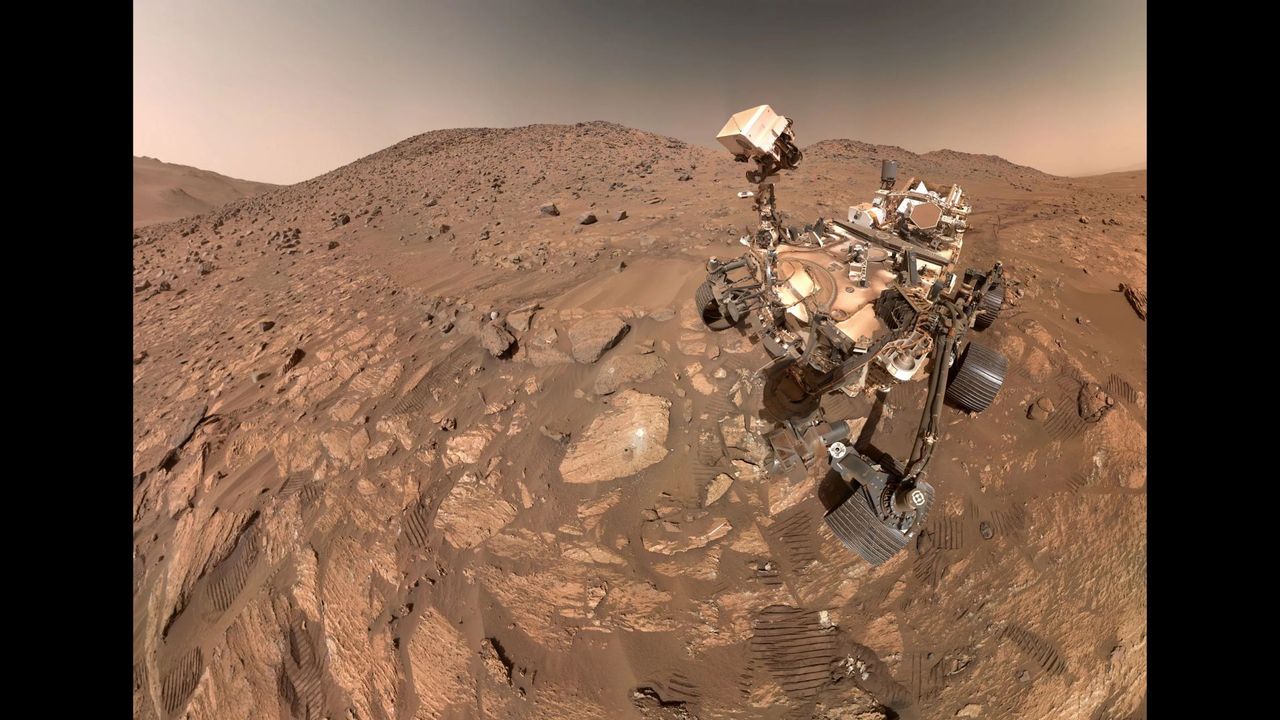
Researchers have identified a total of 26 new bacterial species within the sterile confines of NASA’s cleanrooms, a finding that raises significant questions about microbial survival in extreme environments. These cleanrooms, designed to eliminate even the most resilient Earth microbes, play a crucial role in NASA’s planetary protection protocols, preventing contamination of extraterrestrial environments.
The discovery was made at the Kennedy Space Center in Florida, where the Phoenix Mars Lander was assembled in 2007. Despite rigorous cleaning processes, the presence of these bacteria underscores the challenges faced by space agencies in ensuring that spacecraft remain uncontaminated. The findings were detailed in a paper published in the journal Microbiome earlier this year.
Resilience of Microbial Life
According to Alexandre Rosado, a professor at the King Abdullah University of Science and Technology and a co-author of the study, the discovery prompted a moment of reflection among scientists: “It was a genuine ‘stop and re-check everything’ moment.” The persistence of these microbes, even in the face of stringent sterilization efforts, highlights their remarkable adaptability.
The study revealed that while these new species are relatively rare, they have managed to survive across different cleanroom environments. This resilience raises concerns regarding the effectiveness of current planetary protection measures. If these bacteria can evade standard cleanroom controls, they might also pose a risk of contaminating other worlds, such as Mars.
When asked about the potential for these microbes to survive a journey to Mars, Rosado noted that several species possess genes that may enable them to endure the stresses of space travel. These include adaptations related to DNA repair and dormancy, which could be crucial for surviving the harsh conditions encountered in space.
Upcoming Research Initiatives
To further investigate the survival capabilities of these bacteria, researchers are constructing a planetary simulation chamber at the King Abdullah University of Science and Technology. This facility is expected to begin pilot experiments in early 2026. The chamber will replicate the conditions of Mars, including low air pressure, high radiation levels, and extreme temperature fluctuations, allowing scientists to assess how these microbes respond to the challenges of space travel and Martian environments.
Rosado emphasized the importance of these experiments, stating they will provide insights into how resilient microbes adapt under stress. “These controlled environments will allow scientists to investigate how hardy microbes adapt and survive under combinations of stresses comparable to those encountered during spaceflight or on the Martian surface,” he said.
NASA’s cleanroom facilities are designed to be hostile to microbial life, employing measures such as continuously filtered air, strict humidity control, and repeated application of chemical detergents and UV light. Despite these efforts, Rosado reiterated that “cleanrooms don’t contain ‘no life.'” The persistence of these newly identified species suggests that microbial life can endure even in the most sterile settings.
During the assembly of the Phoenix lander, researchers collected and preserved 215 bacterial strains from the cleanroom floors. These samples were gathered at various stages, including before the spacecraft’s arrival in April 2007 and during its assembly and testing in June. Advances in DNA technology over the years have enabled scientists to classify these microbes more precisely and identify their survival strategies.
The newly discovered species exhibit various adaptations, such as resistance to cleaning chemicals and the ability to form biofilms. These characteristics enable them to survive in hidden niches within cleanroom environments, making them valuable for testing decontamination protocols and detection systems employed by space agencies.
Looking ahead, Rosado indicated the need for coordinated, long-term sampling across multiple cleanrooms, utilizing standardized methods. This approach will facilitate a clearer understanding of which microbial traits are critical for planetary protection and may hold potential applications in biotechnology and astrobiology.
As science continues to uncover the resilience of life in extreme environments, the implications for space exploration and planetary protection remain profound. Understanding how these microbes survive could play a pivotal role in safeguarding other worlds from contamination by Earth organisms, ensuring the integrity of future explorations.

Urgent Swatting Incident Ties Up Emergency Resources in Alabama

Urgent Tax Alert: Claim Your Deductions Before April 15!

Scientists Investigate Cosmic Defects: Where Are They Now?

Spring Bocce Leagues Open Registration in Rapid City

CALV Offers Essential Communication Class for Real Estate Pros

Samsung Galaxy Watch 9 Set for Larger 435mAh Battery Upgrade

Healthy Choice Wellness Reports Earnings, Stock Sees Uptick

Prince Harry Claims to Be ‘Antidote to Andrew’ Amid Royal Crisis

Pet Owners Weigh Kibble Against Fresh Dog Food Options

ALMA Discovers Companion Orbiting Giant Star π 1 Gruis

U.S. Visa Rescheduling Hits H‐1B Applicants as New Vetting Rules Take Effect

University of Hawaiʻi Joins $25.6M AI Project for Disaster Monitoring

F-22 Raptor vs. Su-57 Felon: A 2025 Fighter Jet Comparison

Recent Divorce Judgments from Iberia Parish Court Records

Ohio State Study Uncovers Brain Connectivity and Function Links

Prince Andrew Faces Fallout from Scandals and Allegations

Urgent: Flight Cancellations Loom at Texas Airports Amid Shutdown

Frank Dunn, Esteemed Builder and Community Leader, Passes Away at 89
-
 Science8 months ago
ALMA Discovers Companion Orbiting Giant Star π 1 Gruis
-
 Politics6 months ago
U.S. Visa Rescheduling Hits H‐1B Applicants as New Vetting Rules Take Effect
-
Science8 months ago
University of Hawaiʻi Joins $25.6M AI Project for Disaster Monitoring
-
 World8 months ago
F-22 Raptor vs. Su-57 Felon: A 2025 Fighter Jet Comparison
-
 Politics8 months ago
Recent Divorce Judgments from Iberia Parish Court Records
-
 Science9 months ago
Ohio State Study Uncovers Brain Connectivity and Function Links
-
 World8 months ago
Prince Andrew Faces Fallout from Scandals and Allegations
-
 Top Stories8 months ago
Urgent: Flight Cancellations Loom at Texas Airports Amid Shutdown
-
 Lifestyle8 months ago
Frank Dunn, Esteemed Builder and Community Leader, Passes Away at 89
-

 Business8 months ago
Appian Recognizes 2025 Partner Award Winners for Enterprise Innovation
-

 Entertainment6 months ago
Malachi Barton Tops Google Searches as Disney’s Rising Star of 2025
-

 Science9 months ago
Innovator Captures Light at 2 Billion Frames Per Second