
World
South Korea Passes Controversial Bill Targeting Fake News

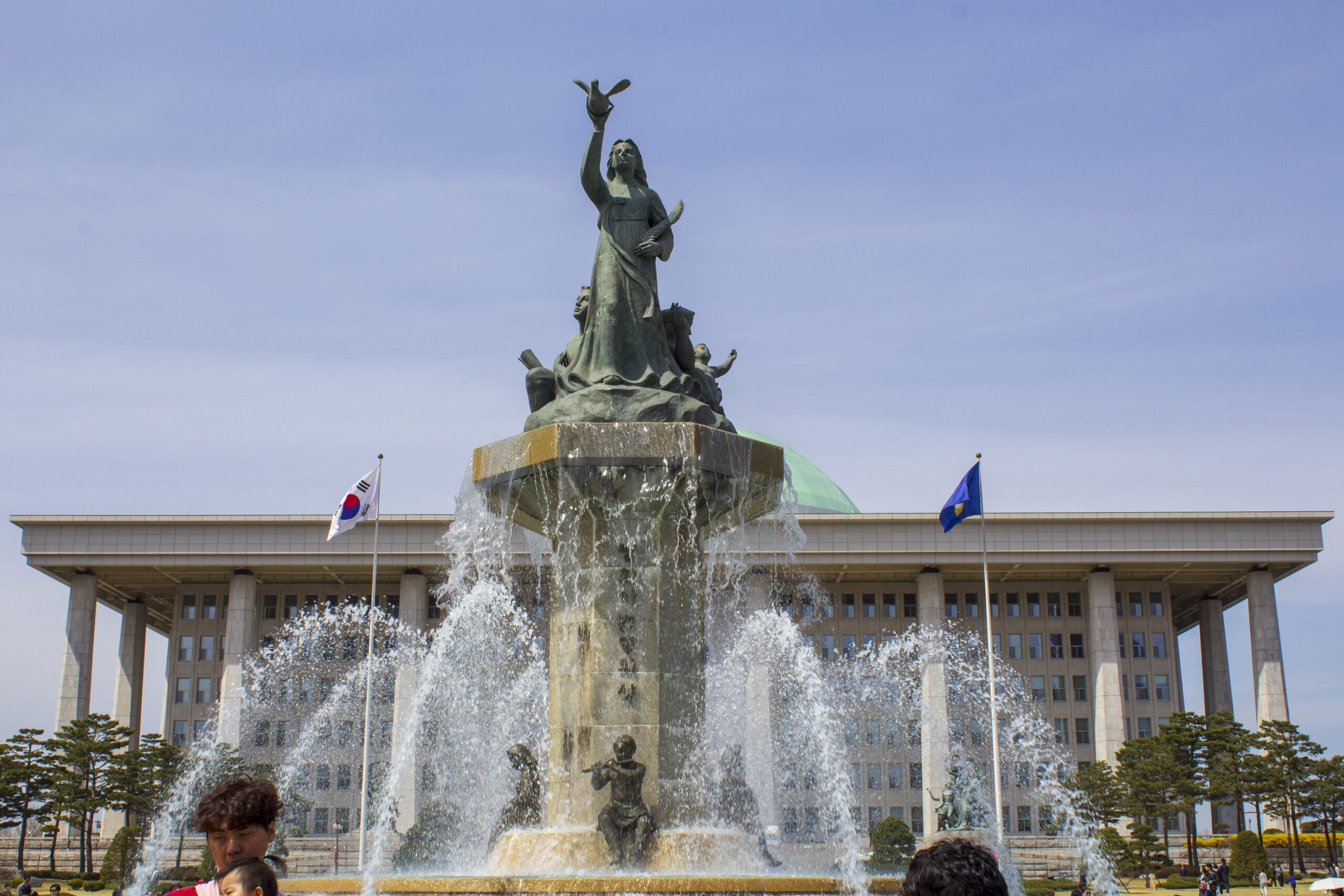
On March 15, 2024, South Korea’s National Assembly passed a contentious bill aimed at regulating traditional and online news outlets for disseminating “false or fabricated information.” The legislation, which authorizes significant punitive damages against the media, has sparked fears of increased censorship and limitations on press freedom. The bill received overwhelming support from the ruling Democratic Party, which secured 170 votes in favor out of 177 members present, despite a filibuster attempt by the opposition Conservative Party.
The newly approved bill broadens the definition of unlawful content to include defamation, incitement to discrimination, and the dissemination of false information. Proponents, including members of the Democratic Party, argue that the legislation is necessary to combat a rising tide of fake news and misinformation that they assert undermines democracy. The bill permits courts to impose punitive damages up to five times the amount of proven losses, raising concerns among journalists and civil liberties advocates about its potential implications for free speech.
Critics of the bill have voiced strong objections to its vague language regarding the types of content that could be targeted. They emphasize the risk of arbitrary enforcement and the absence of adequate protections for journalists. Song Ji-Won, a representative attorney at the Communication Law Institute, highlighted the potential consequences of the legislation, stating that the overall value of information must be weighed, as a single inaccurate statement could lead to the removal of an entire video.
Since the impeachment of former President Yoon Suk Yeol in 2024, South Korea has experienced a pronounced ideological divide, exacerbated by the rise of conspiracy theories among right-wing YouTubers who depict Yoon as a victim of political persecution. This polarization has contributed to a surge in hate speech and misinformation across online platforms. The Democratic Party has cited the urgent need for regulatory measures to address these issues and mitigate the harm caused by false narratives and malicious content.
The political landscape has been further destabilized by recent legal challenges involving high-profile figures. In the past month, Yoon Suk Yeol was indicted for allegedly concealing information related to a military investigation, while another former South Korean leader faced charges linked to the martial law imposed in December 2024. These developments have intensified scrutiny of the country’s political climate and the role of media in shaping public perception.
As the bill moves forward, calls for President Lee to veto the measure are growing among journalist organizations and advocates for civil liberties. They argue that any infringement on freedom of the press and expression must be carefully considered, particularly in light of the bill’s potential to stifle legitimate reporting and public discourse. The future of media regulation in South Korea remains uncertain as the implications of this legislation unfold.

Urgent Swatting Incident Ties Up Emergency Resources in Alabama

Urgent Tax Alert: Claim Your Deductions Before April 15!

Scientists Investigate Cosmic Defects: Where Are They Now?

Spring Bocce Leagues Open Registration in Rapid City

CALV Offers Essential Communication Class for Real Estate Pros

Samsung Galaxy Watch 9 Set for Larger 435mAh Battery Upgrade

Healthy Choice Wellness Reports Earnings, Stock Sees Uptick

Prince Harry Claims to Be ‘Antidote to Andrew’ Amid Royal Crisis

Pet Owners Weigh Kibble Against Fresh Dog Food Options

ALMA Discovers Companion Orbiting Giant Star π 1 Gruis

U.S. Visa Rescheduling Hits H‐1B Applicants as New Vetting Rules Take Effect

University of Hawaiʻi Joins $25.6M AI Project for Disaster Monitoring

F-22 Raptor vs. Su-57 Felon: A 2025 Fighter Jet Comparison

Recent Divorce Judgments from Iberia Parish Court Records

Ohio State Study Uncovers Brain Connectivity and Function Links

Prince Andrew Faces Fallout from Scandals and Allegations

Urgent: Flight Cancellations Loom at Texas Airports Amid Shutdown

Frank Dunn, Esteemed Builder and Community Leader, Passes Away at 89
-
 Science8 months ago
ALMA Discovers Companion Orbiting Giant Star π 1 Gruis
-
 Politics6 months ago
U.S. Visa Rescheduling Hits H‐1B Applicants as New Vetting Rules Take Effect
-
Science8 months ago
University of Hawaiʻi Joins $25.6M AI Project for Disaster Monitoring
-
 World8 months ago
F-22 Raptor vs. Su-57 Felon: A 2025 Fighter Jet Comparison
-
 Politics8 months ago
Recent Divorce Judgments from Iberia Parish Court Records
-
 Science9 months ago
Ohio State Study Uncovers Brain Connectivity and Function Links
-
 World8 months ago
Prince Andrew Faces Fallout from Scandals and Allegations
-
 Top Stories8 months ago
Urgent: Flight Cancellations Loom at Texas Airports Amid Shutdown
-
 Lifestyle8 months ago
Frank Dunn, Esteemed Builder and Community Leader, Passes Away at 89
-

 Business8 months ago
Appian Recognizes 2025 Partner Award Winners for Enterprise Innovation
-

 Entertainment6 months ago
Malachi Barton Tops Google Searches as Disney’s Rising Star of 2025
-

 Science9 months ago
Innovator Captures Light at 2 Billion Frames Per Second