
World
Megyn Kelly Sparks Right-Wing Feud at AmericaFest 2023

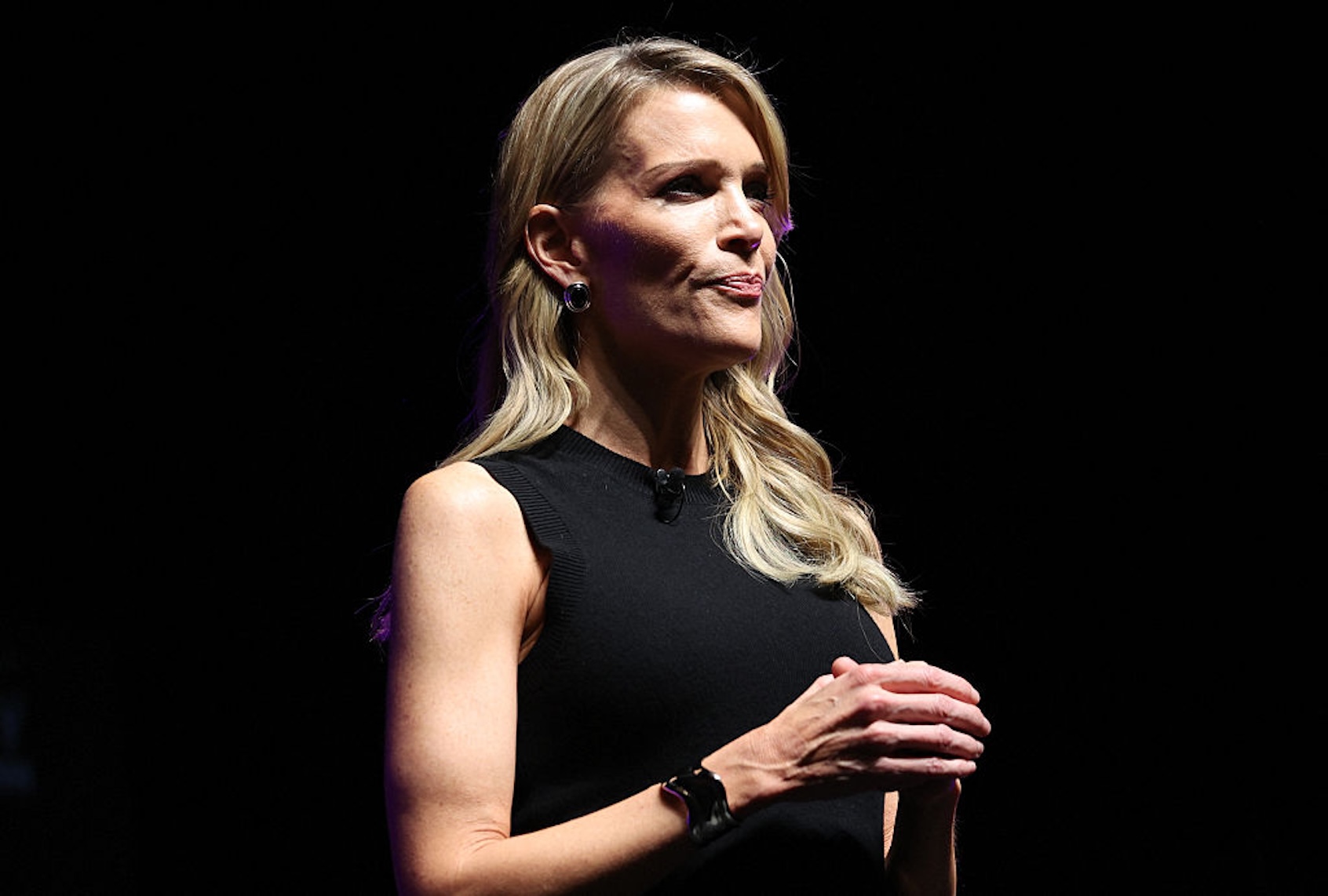
At AmericaFest 2023, held at the Phoenix Convention Center, a fierce confrontation erupted among prominent figures in the right-wing media landscape, centering around popular podcaster Megyn Kelly. This clash follows Donald Trump‘s critical remarks on Kelly’s intentions regarding her relationship with his political movement, suggesting she is “making a career by pretending she likes me.” The tension reflects deeper fractures within the Republican Party, challenging its perceived unity against leftist ideologies.
The event, which took place three months after the assassination of Charlie Kirk, a key figure in the conservative movement, was intended to be a solemn gathering. Instead, it devolved into a chaotic display of infighting as leading personalities like Candace Owens, Tucker Carlson, and Steve Bannon publicly exchanged barbs over issues including antisemitism and conspiracy theories. The incident highlights a significant ideological divide within a movement that has historically claimed to be a “big tent.”
Disputes regarding the nature of the conservative coalition have become increasingly evident. Right-wing commentators like Owens have promoted controversial conspiracy theories, including insinuations about an inside job concerning Kirk’s murder. At AmericaFest, Kelly defended Owens, asserting she should not be obligated to silence questions about Israel’s involvement in Kirk’s killing. This defense drew sharp criticism from fellow conservatives, including Ben Shapiro, a prominent figure in conservative media.
In the aftermath of the event, Kelly escalated her rhetoric in subsequent interviews, notably with Vanity Fair, where she labeled Shapiro and Bari Weiss, the newly appointed editor-in-chief of CBS News, as “cowards.” She accused them of fostering antisemitism through their stances on Israel, stating, “They are making antisemites.” Kelly’s comments prompted a response from the Anti-Defamation League, which condemned her remarks as crossing a “dangerous line.”
The ongoing conflict underscores a transformation among conservative circles, with younger Republicans increasingly questioning traditional alliances, particularly regarding Israel. Kelly appears to be navigating this shift as she positions herself as a voice for a more radicalized faction of the party, distancing herself from established norms of Reaganite internationalism.
As her podcast continues to gain traction, Kelly’s strategy seems aimed at catering to an audience that thrives on controversy and grievance. By aligning with narratives that challenge mainstream conservative positions, she risks alienating former allies while simultaneously solidifying her place within a more extreme segment of the GOP.
This struggle reflects broader trends within the Republican Party, particularly the rise of a faction led by figures like JD Vance, who advocate for a brand of nationalism that often includes antisemitic undertones. In this context, Kelly’s actions could be seen not merely as personal ambition but as part of a larger ideological battle over the future direction of American conservatism.
As this feud unfolds, the implications for the Republican Party and its coalition dynamics remain significant. The question now is how effectively Kelly and others can navigate this turmoil without losing their audience or compromising their positions within an increasingly fractious political landscape.

Urgent Swatting Incident Ties Up Emergency Resources in Alabama

Urgent Tax Alert: Claim Your Deductions Before April 15!

Scientists Investigate Cosmic Defects: Where Are They Now?

Spring Bocce Leagues Open Registration in Rapid City

CALV Offers Essential Communication Class for Real Estate Pros

Samsung Galaxy Watch 9 Set for Larger 435mAh Battery Upgrade

Healthy Choice Wellness Reports Earnings, Stock Sees Uptick

Prince Harry Claims to Be ‘Antidote to Andrew’ Amid Royal Crisis

Pet Owners Weigh Kibble Against Fresh Dog Food Options

ALMA Discovers Companion Orbiting Giant Star π 1 Gruis

U.S. Visa Rescheduling Hits H‐1B Applicants as New Vetting Rules Take Effect

University of Hawaiʻi Joins $25.6M AI Project for Disaster Monitoring

F-22 Raptor vs. Su-57 Felon: A 2025 Fighter Jet Comparison

Recent Divorce Judgments from Iberia Parish Court Records

Ohio State Study Uncovers Brain Connectivity and Function Links

Prince Andrew Faces Fallout from Scandals and Allegations

Urgent: Flight Cancellations Loom at Texas Airports Amid Shutdown

Frank Dunn, Esteemed Builder and Community Leader, Passes Away at 89
-
 Science8 months ago
ALMA Discovers Companion Orbiting Giant Star π 1 Gruis
-
 Politics6 months ago
U.S. Visa Rescheduling Hits H‐1B Applicants as New Vetting Rules Take Effect
-
Science8 months ago
University of Hawaiʻi Joins $25.6M AI Project for Disaster Monitoring
-
 World8 months ago
F-22 Raptor vs. Su-57 Felon: A 2025 Fighter Jet Comparison
-
 Politics8 months ago
Recent Divorce Judgments from Iberia Parish Court Records
-
 Science9 months ago
Ohio State Study Uncovers Brain Connectivity and Function Links
-
 World8 months ago
Prince Andrew Faces Fallout from Scandals and Allegations
-
 Top Stories8 months ago
Urgent: Flight Cancellations Loom at Texas Airports Amid Shutdown
-
 Lifestyle8 months ago
Frank Dunn, Esteemed Builder and Community Leader, Passes Away at 89
-

 Business8 months ago
Appian Recognizes 2025 Partner Award Winners for Enterprise Innovation
-

 Entertainment6 months ago
Malachi Barton Tops Google Searches as Disney’s Rising Star of 2025
-

 Science9 months ago
Innovator Captures Light at 2 Billion Frames Per Second