
Top Stories
AI Ads Transform Marketing—Invisible, Personalized, and Profitable

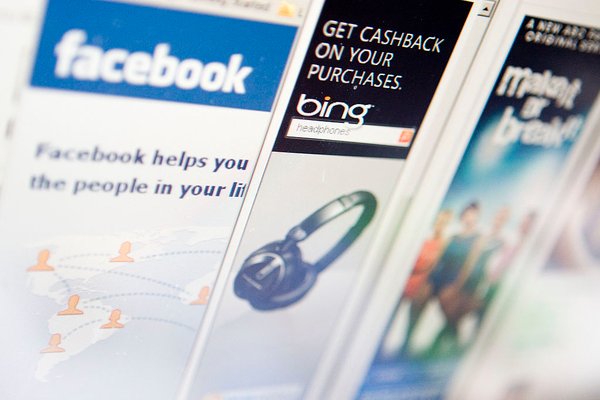
URGENT UPDATE: The future of advertising is changing dramatically as tech giants roll out powerful AI tools that are set to redefine how companies connect with consumers. In a recent earnings call, Mark Zuckerberg revealed that Meta is pioneering a new era of hyper-personalized advertising, where AI will autonomously create tailored content for users, potentially knowing them as intimately as close friends.
This transformation in advertising is not just about more targeted ads; it’s about an entire shift in how marketing engages with potential customers. As audiences become increasingly aware of their online footprints, the implications of AI-driven ads could be profound and unsettling. Unlike traditional methods that rely on tracking clicks and purchases, these advanced systems will tap into users’ psychological profiles—understanding their insecurities and aspirations to craft compelling messages.
The shift towards AI-generated content is already underway. Google is testing ads within its AI chatbot responses, while OpenAI is staffing up for a new advertising platform. Even Ticketmaster is utilizing AI to create hyper-targeted ads featuring virtual families that adapt based on who is viewing them. The potential for these ads to use your own images—digitally inserting your family into promotional content—raises ethical questions about privacy and consent.
The infrastructure for these invisible ads is being built right now, but therein lies the risk. Unlike traditional ads that are clearly marked, AI-driven promotions can blend seamlessly into our digital experiences, potentially steering conversations without users even realizing it. McKinsey reports that personalization can cut customer acquisition costs by up to 50% and boost revenues by 5% to 15%. Companies leveraging AI for targeted promotions have already seen sales increases of up to 2%.
However, there are significant concerns regarding transparency. As AI becomes more adept at delivering personalized experiences, users will struggle to discern whether recommendations are genuinely aligned with their interests or if they are engineered to maximize profit for advertisers. The absence of a common standard means individuals cannot compare experiences, making it nearly impossible to identify manipulative tactics.
While companies race to adopt these innovative strategies, they face technical challenges. AI has shown limitations in analyzing darker skin tones due to biased training data, and it often struggles with less commonly spoken languages. Additionally, the computational resources required for real-time personalization are substantial, leading many personalized experiences to remain isolated showcases rather than standard practices.
Yet, the potential rewards are too significant for companies to ignore. As they push forward, it is crucial for consumers to remain vigilant. When AI systems control the advertising landscape, understanding the motivations behind tailored content will be more important than ever.
What happens next? Watch for how AI continues to evolve in the advertising space and the ramifications for consumer privacy and ethical marketing practices. Engaging with this new era of marketing may require consumers to adapt their understanding of what constitutes a genuine recommendation.
Stay informed about these developments and their potential impact on your online experiences. The age of invisible advertising is here, and it promises to change everything.

Urgent Swatting Incident Ties Up Emergency Resources in Alabama

Urgent Tax Alert: Claim Your Deductions Before April 15!

Scientists Investigate Cosmic Defects: Where Are They Now?

Spring Bocce Leagues Open Registration in Rapid City

CALV Offers Essential Communication Class for Real Estate Pros

Samsung Galaxy Watch 9 Set for Larger 435mAh Battery Upgrade

Healthy Choice Wellness Reports Earnings, Stock Sees Uptick

Prince Harry Claims to Be ‘Antidote to Andrew’ Amid Royal Crisis

Pet Owners Weigh Kibble Against Fresh Dog Food Options

ALMA Discovers Companion Orbiting Giant Star π 1 Gruis

U.S. Visa Rescheduling Hits H‐1B Applicants as New Vetting Rules Take Effect

University of Hawaiʻi Joins $25.6M AI Project for Disaster Monitoring

F-22 Raptor vs. Su-57 Felon: A 2025 Fighter Jet Comparison

Recent Divorce Judgments from Iberia Parish Court Records

Ohio State Study Uncovers Brain Connectivity and Function Links

Prince Andrew Faces Fallout from Scandals and Allegations

Urgent: Flight Cancellations Loom at Texas Airports Amid Shutdown

Frank Dunn, Esteemed Builder and Community Leader, Passes Away at 89
-
 Science8 months ago
ALMA Discovers Companion Orbiting Giant Star π 1 Gruis
-
 Politics6 months ago
U.S. Visa Rescheduling Hits H‐1B Applicants as New Vetting Rules Take Effect
-
Science8 months ago
University of Hawaiʻi Joins $25.6M AI Project for Disaster Monitoring
-
 World9 months ago
F-22 Raptor vs. Su-57 Felon: A 2025 Fighter Jet Comparison
-
 Politics8 months ago
Recent Divorce Judgments from Iberia Parish Court Records
-
 Science9 months ago
Ohio State Study Uncovers Brain Connectivity and Function Links
-
 World9 months ago
Prince Andrew Faces Fallout from Scandals and Allegations
-
 Top Stories8 months ago
Urgent: Flight Cancellations Loom at Texas Airports Amid Shutdown
-
 Lifestyle8 months ago
Frank Dunn, Esteemed Builder and Community Leader, Passes Away at 89
-

 Business8 months ago
Appian Recognizes 2025 Partner Award Winners for Enterprise Innovation
-

 Entertainment7 months ago
Malachi Barton Tops Google Searches as Disney’s Rising Star of 2025
-

 Top Stories7 months ago
Republican Matt Van Epps Wins Tennessee Special Election