
Politics
Baltimore Senior Finally Receives Furnace After Long Wait

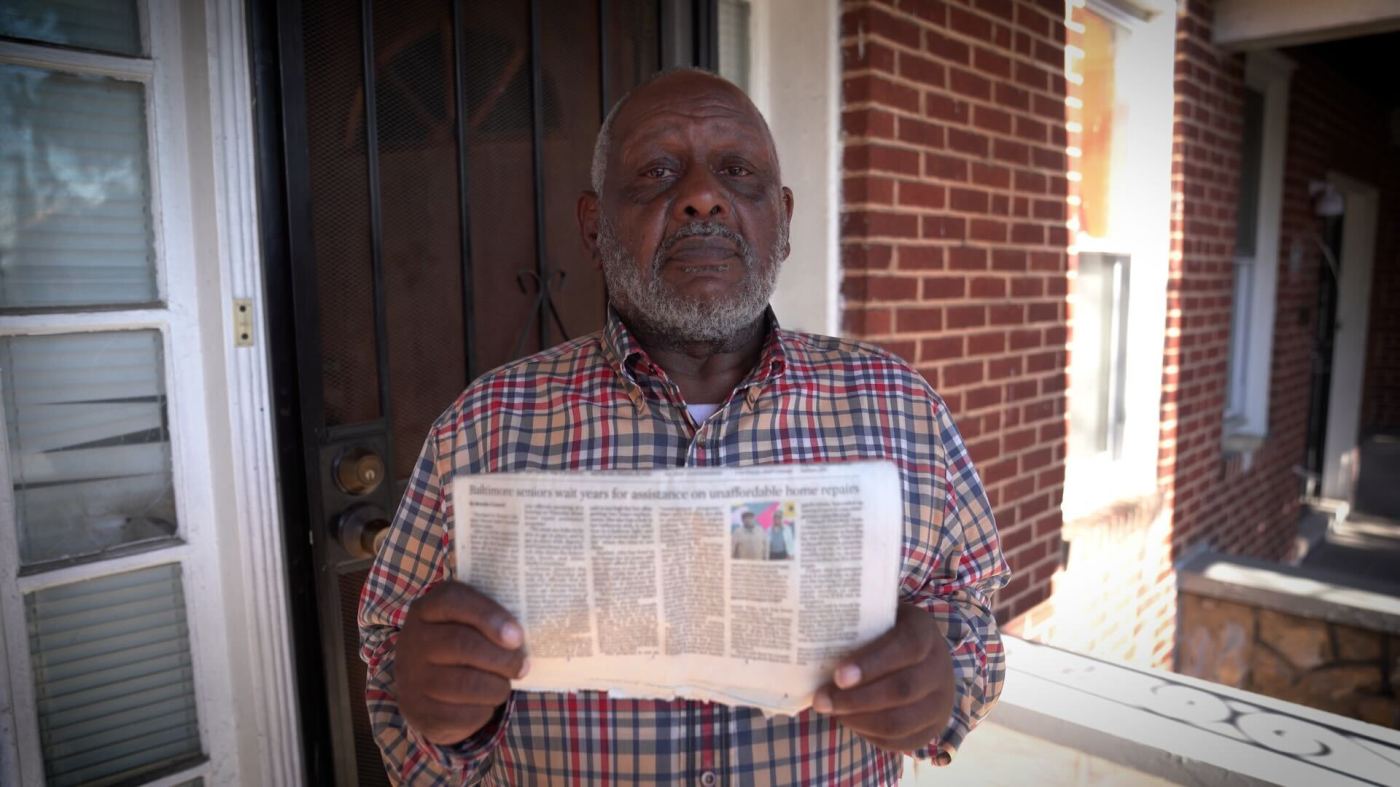
Vernoy Coleman, a senior resident of Baltimore, has finally received a new furnace after enduring five years without proper heating. His struggle reflects a broader issue within the city’s housing assistance program, where nearly 5,000 homeowners remain on a waiting list for essential repairs. Coleman’s case highlights significant delays that threaten the wellbeing of low- and moderate-income residents as they face harsh winter conditions.
Coleman relied on space heaters and multiple blankets to stay warm while his request for assistance languished on the city’s housing rehabilitation list. He reached out to the Baltimore City government repeatedly, expressing frustration over the lack of action. “They don’t do nothing,” Coleman stated. “I’m just wasting my time.”
An analysis by Spotlight on Maryland indicates that the backlog for housing repairs is so extensive that it could take up to 15 years to resolve at the current rate. This situation raises concerns regarding the city’s commitment to protecting vulnerable homeowners and preventing avoidable homelessness.
The Baltimore City Department of Housing and Community Development acknowledged the challenges, stating that it lacks sufficient funding to assist every resident in need. The department estimates an additional annual funding requirement of $200 million to meet the demands for repairs. “Our taxpayer-funded municipal budget is finite and does not have the capacity to fund every private home repair request,” the department explained in an email.
As of now, the city has a budget of $7 million for repairs, which allows for approximately 200 projects to be completed each year. This figure starkly contrasts with the pressing needs of the community, especially given that the number of applications for assistance exceeds 3,000. The program has seen a decline in the number of projects completed, down from nearly 5,000 in October when pressures from residents and local media mounted.
The repair assistance program is primarily funded through loans, some of which may be forgivable, depending on the homeowner’s eligibility. The costs for repairs typically range between $37,500 and $50,000 per project. While urgent issues such as loss of heating or electricity are prioritized, non-emergency projects often take over seven months to process.
City officials maintain a list of registered contractors; however, homeowners have the freedom to select their own. Despite these efforts, many residents are still left waiting for necessary repairs.
During an October 16, 2023, hearing of the Education, Youth, and Older Adults Committee, Nicole Hart, deputy commissioner for homeownership and housing preservation, emphasized that anyone can initiate the pre-application process for assistance. “If [a person] is being referred, they can fill it out, a family member can fill it out,” she explained. However, qualifying for assistance requires comprehensive documentation, which can be a barrier for many.
Housing advocates argue that the city’s repair program is crucial in preventing homelessness, underscoring that delays in addressing heating issues can lead to dire consequences for individuals like Coleman. According to Matt Hill, an attorney with the Public Justice Center, “If that person doesn’t fix the heat, they’re going to eventually have to leave that property.” He noted that the financial implications of homelessness are significant for taxpayers.
Council President Zeke Cohen has requested a detailed plan from the housing department outlining the necessary financial resources to eliminate the backlog. While the department did not provide the requested analysis, it acknowledged that meeting all requests could necessitate between $140 million and $200 million in additional funding.
Following his testimony at the October hearing, Coleman finally received his new furnace around Thanksgiving. Reflecting on the experience, he remarked, “It feels better than what it did,” a stark contrast to his previous reliance on blankets and space heaters.
Coleman’s story serves as a reminder of the ongoing challenges faced by many residents in Baltimore, illustrating the urgent need for enhanced funding and resources to support essential home repairs in the community.

Urgent Swatting Incident Ties Up Emergency Resources in Alabama

Urgent Tax Alert: Claim Your Deductions Before April 15!

Scientists Investigate Cosmic Defects: Where Are They Now?

Spring Bocce Leagues Open Registration in Rapid City

CALV Offers Essential Communication Class for Real Estate Pros

Samsung Galaxy Watch 9 Set for Larger 435mAh Battery Upgrade

Healthy Choice Wellness Reports Earnings, Stock Sees Uptick

Prince Harry Claims to Be ‘Antidote to Andrew’ Amid Royal Crisis

Pet Owners Weigh Kibble Against Fresh Dog Food Options

ALMA Discovers Companion Orbiting Giant Star π 1 Gruis

U.S. Visa Rescheduling Hits H‐1B Applicants as New Vetting Rules Take Effect

University of Hawaiʻi Joins $25.6M AI Project for Disaster Monitoring

F-22 Raptor vs. Su-57 Felon: A 2025 Fighter Jet Comparison

Recent Divorce Judgments from Iberia Parish Court Records

Ohio State Study Uncovers Brain Connectivity and Function Links

Urgent: Flight Cancellations Loom at Texas Airports Amid Shutdown

Frank Dunn, Esteemed Builder and Community Leader, Passes Away at 89

Prince Andrew Faces Fallout from Scandals and Allegations
-
 Science9 months ago
ALMA Discovers Companion Orbiting Giant Star π 1 Gruis
-
 Politics7 months ago
U.S. Visa Rescheduling Hits H‐1B Applicants as New Vetting Rules Take Effect
-
Science9 months ago
University of Hawaiʻi Joins $25.6M AI Project for Disaster Monitoring
-
 World9 months ago
F-22 Raptor vs. Su-57 Felon: A 2025 Fighter Jet Comparison
-
 Politics9 months ago
Recent Divorce Judgments from Iberia Parish Court Records
-
 Science9 months ago
Ohio State Study Uncovers Brain Connectivity and Function Links
-
 Top Stories9 months ago
Urgent: Flight Cancellations Loom at Texas Airports Amid Shutdown
-
 Lifestyle9 months ago
Frank Dunn, Esteemed Builder and Community Leader, Passes Away at 89
-
 World9 months ago
Prince Andrew Faces Fallout from Scandals and Allegations
-

 Business9 months ago
Appian Recognizes 2025 Partner Award Winners for Enterprise Innovation
-

 Entertainment7 months ago
Malachi Barton Tops Google Searches as Disney’s Rising Star of 2025
-

 Top Stories8 months ago
Republican Matt Van Epps Wins Tennessee Special Election