
World
Delta Flight Diverts to Tokyo After Hydraulic Emergency

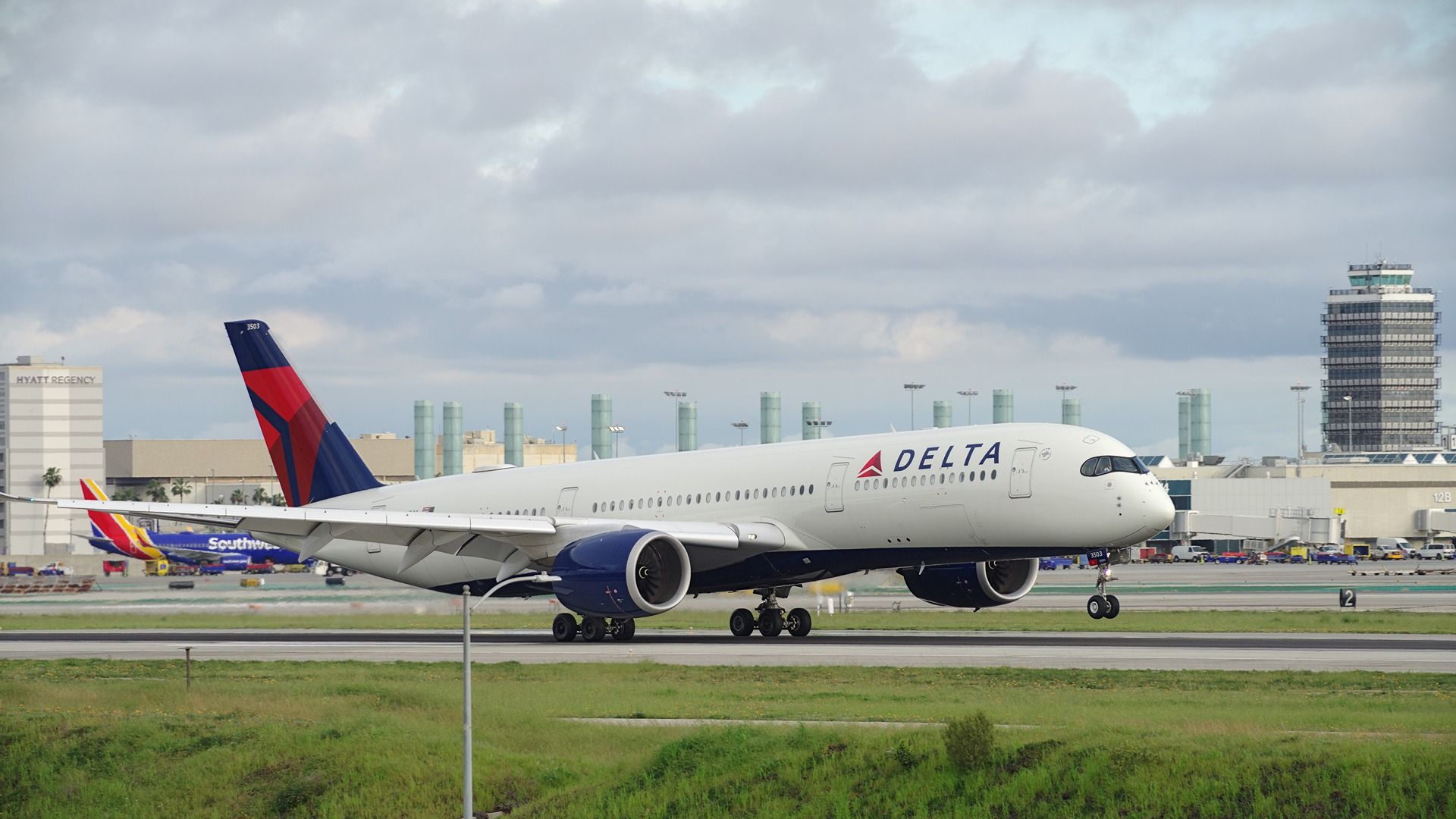
A Delta Air Lines flight traveling from Shanghai to Detroit made an emergency landing in Tokyo on November 28, 2023, due to hydraulic problems. The Airbus A350-900, operating as Delta Flight 388, was approximately 140 nautical miles (259 km) from Tokyo when the crew decided to divert to the nearest major airport, Tokyo Haneda Airport (HND).
The captain, prioritizing safety, declared an emergency landing. The aircraft landed safely on Runway 34R, where emergency teams were ready to assist. In the aftermath, the runway remained closed for about 30 minutes to ensure safety before the plane was towed to the gate.
Flight Details and Impact on Passengers
Delta Flight 388 typically operates a non-stop service between Shanghai Pudong International Airport (PVG) and Detroit Metropolitan Wayne County Airport (DTW), taking approximately 13 hours. On the afternoon of November 28, the flight departed Shanghai at 17:46 local time, aiming for an arrival in Detroit at 18:05 the same day.
As the aircraft crossed into Japanese airspace, the flight crew identified a hydraulic issue, prompting the decision to divert. The crew communicated their situation efficiently, ensuring the safety of all aboard. A spokesperson for Delta stated, “On Nov. 28, the crew of Delta flight 388 followed procedures to divert to Tokyo-Haneda after reporting a mechanical issue while en route. The aircraft landed safely, and we apologize to our customers for the delay in their travel plans. Nothing is more important than the safety of our customers and crew.”
The flight was ultimately cancelled following the emergency landing, leaving passengers stranded in Japan.
Aircraft Information and Future Operations
The Airbus A350-900 involved in this incident, registered as N512DN, is a nearly seven-year-old aircraft, having entered service with Delta in January 2019. The aircraft features a three-class configuration, comprising 32 Business, 48 Premium Economy, and 226 Economy class seats.
After spending the night at Haneda, the aircraft was repositioned to Seattle-Tacoma International Airport (SEA) on November 29, departing at 23:14 and arriving at 14:26 local time. Delta subsequently added a corresponding service to Detroit, which arrived at 23:02 the same day. As of December 1, the aircraft returned to its regular schedule, having operated a flight from Detroit to Seoul.
Hydraulic issues in Airbus A350 aircraft are uncommon but can lead to potentially serious safety concerns, including uncommanded movements of flight surfaces. This rarity underscores the importance of the crew’s decision to divert to Tokyo for further inspection. Delta operates a total of 38 A350-900 aircraft, with another six on order, and plans to introduce the larger A350-1000 by 2026.
The incident serves as a reminder of the rigorous safety protocols in place within the aviation industry, ensuring that passenger safety remains the top priority during unforeseen circumstances.

Urgent Swatting Incident Ties Up Emergency Resources in Alabama

Urgent Tax Alert: Claim Your Deductions Before April 15!

Scientists Investigate Cosmic Defects: Where Are They Now?

Spring Bocce Leagues Open Registration in Rapid City

CALV Offers Essential Communication Class for Real Estate Pros

Samsung Galaxy Watch 9 Set for Larger 435mAh Battery Upgrade

Healthy Choice Wellness Reports Earnings, Stock Sees Uptick

Prince Harry Claims to Be ‘Antidote to Andrew’ Amid Royal Crisis

Pet Owners Weigh Kibble Against Fresh Dog Food Options

ALMA Discovers Companion Orbiting Giant Star π 1 Gruis

U.S. Visa Rescheduling Hits H‐1B Applicants as New Vetting Rules Take Effect

University of Hawaiʻi Joins $25.6M AI Project for Disaster Monitoring

F-22 Raptor vs. Su-57 Felon: A 2025 Fighter Jet Comparison

Recent Divorce Judgments from Iberia Parish Court Records

Ohio State Study Uncovers Brain Connectivity and Function Links

Prince Andrew Faces Fallout from Scandals and Allegations

Urgent: Flight Cancellations Loom at Texas Airports Amid Shutdown

Frank Dunn, Esteemed Builder and Community Leader, Passes Away at 89
-
 Science8 months ago
ALMA Discovers Companion Orbiting Giant Star π 1 Gruis
-
 Politics6 months ago
U.S. Visa Rescheduling Hits H‐1B Applicants as New Vetting Rules Take Effect
-
Science8 months ago
University of Hawaiʻi Joins $25.6M AI Project for Disaster Monitoring
-
 World8 months ago
F-22 Raptor vs. Su-57 Felon: A 2025 Fighter Jet Comparison
-
 Politics8 months ago
Recent Divorce Judgments from Iberia Parish Court Records
-
 Science9 months ago
Ohio State Study Uncovers Brain Connectivity and Function Links
-
 World8 months ago
Prince Andrew Faces Fallout from Scandals and Allegations
-
 Top Stories8 months ago
Urgent: Flight Cancellations Loom at Texas Airports Amid Shutdown
-
 Lifestyle8 months ago
Frank Dunn, Esteemed Builder and Community Leader, Passes Away at 89
-

 Business8 months ago
Appian Recognizes 2025 Partner Award Winners for Enterprise Innovation
-

 Entertainment6 months ago
Malachi Barton Tops Google Searches as Disney’s Rising Star of 2025
-

 Science9 months ago
Innovator Captures Light at 2 Billion Frames Per Second