
World
IRS Implements Strict Deadlines for Retirement Account Withdrawals

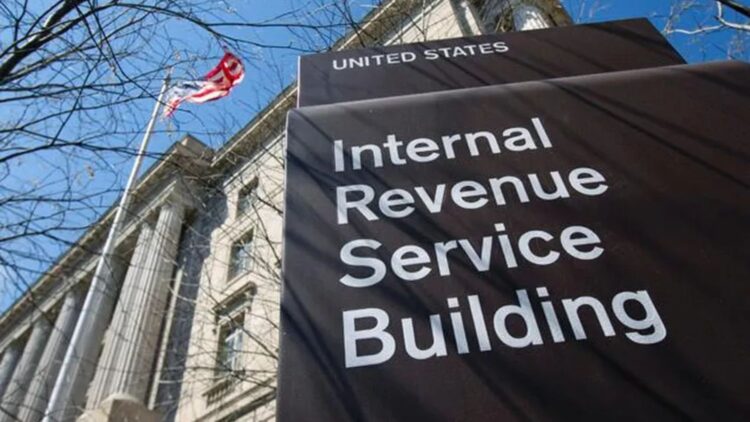
The Internal Revenue Service (IRS) has announced a strict deadline for Required Minimum Distributions (RMDs) from retirement accounts, impacting retirees across the United States. By December 31, 2025, taxpayers must withdraw their RMDs from accounts such as IRAs and 401(k)s to comply with regulations designed to tax previously tax-deferred savings.
A Required Minimum Distribution is the minimum amount retirees must withdraw annually from their retirement accounts. The IRS recently issued a reminder that failing to take the required withdrawal by the deadline may result in significant penalties, potentially as high as 25% of the amount that should have been taken out. The RMD amount varies based on the age of the account holder and the total balance in the account.
For example, a 74-year-old with a $250,000 balance in a 401(k) would need to withdraw approximately $9,800 by the end of this year. Those turning 73 in 2025 will not need to make their first RMD until April 1, 2026; however, their second RMD must still be taken by December 31, 2026. Notably, RMD rules do not apply to Roth IRAs while the account owner is alive, although they do apply to inherited Roth accounts.
Strategies to Mitigate Tax Implications
In addition to withdrawals, December 31 also represents a critical deadline for maximizing contributions to employer-sponsored retirement plans, such as 401(k)s. By contributing before the year’s end, workers can potentially lower their taxable income, which can lead to reduced tax liabilities for the current year.
The contribution limit for a 401(k) is $23,500. For individuals aged 50 or older, there is an additional catch-up contribution of $7,500 available, aimed at helping those nearing retirement bolster their savings.
Another strategy for reducing tax liability is known as tax-loss harvesting. This involves selling off investments that have lost value within the year before December 31. By doing so, investors can offset gains with these losses, lowering the total amount subject to taxes. If losses exceed gains, taxpayers can deduct up to $3,000 against their taxable income. Financial advisors recommend reinvesting the proceeds from these sales in different assets to maintain market presence and mitigate potential losses.
The Future of U.S. Tax Policy
The landscape of U.S. tax policy may be undergoing changes as political discussions continue. Former President Donald Trump has indicated a willingness to explore the elimination of income tax in the coming years, which could significantly alter tax obligations for Americans. As policymakers deliberate on these potential changes, maintaining a robust savings strategy remains advisable for individuals preparing for retirement.
The IRS’s firm stance on RMD compliance underscores the importance of planning for retirement withdrawals and contributions. As deadlines approach, retirees and workers alike must remain informed to navigate these regulations effectively.

Lanes Reopen on I-290 After Fiery Crash in Itasca, IL

Hawaii Expands Healthcare Access with New Facility in Kona

Red Bluff City Council Opens Applications to Fill Vacancy

Unexpected Encounter: How a Shopping Trip Led to a Case of Mistaken Identity

Researchers Launch LimbNET to Revolutionize Limb Development Study

Conference Championship Weekend: Key Matchups and Predictions

IRS Implements Strict Deadlines for Retirement Account Withdrawals

Aroma Joe’s Unveils Festive Drinks and Holiday Promotions NOW!

UK Construction PMI Plummets to 39.4, Lowest in 5.5 Years

Ohio State Study Uncovers Brain Connectivity and Function Links

Hamas Chief Stresses Disarmament Tied to Occupation’s End

University of Hawaiʻi Joins $25.6M AI Project for Disaster Monitoring

Megan Thee Stallion Exposes Alleged Online Attack by Bots

Researchers Challenge 200-Year-Old Physics Principle with Atomic Engines

Paloma Elsesser Shines at LA Event with Iconic Slicked-Back Bun

FDA Unveils Plan to Cut Drug Prices and Boost Biosimilars

ALMA Discovers Companion Orbiting Giant Star π 1 Gruis

Motley Fool Wealth Management Reduces Medtronic Holdings by 14.7%
-
 Science1 month ago
Ohio State Study Uncovers Brain Connectivity and Function Links
-
 Politics1 month ago
Hamas Chief Stresses Disarmament Tied to Occupation’s End
-
Science1 month ago
University of Hawaiʻi Joins $25.6M AI Project for Disaster Monitoring
-
 Entertainment1 month ago
Megan Thee Stallion Exposes Alleged Online Attack by Bots
-
 Science2 months ago
Researchers Challenge 200-Year-Old Physics Principle with Atomic Engines
-
 Entertainment1 month ago
Paloma Elsesser Shines at LA Event with Iconic Slicked-Back Bun
-
 World1 month ago
FDA Unveils Plan to Cut Drug Prices and Boost Biosimilars
-
 Science3 weeks ago
ALMA Discovers Companion Orbiting Giant Star π 1 Gruis
-
 Business1 month ago
Motley Fool Wealth Management Reduces Medtronic Holdings by 14.7%
-

 Top Stories1 month ago
Federal Agents Detain Driver in Addison; Protests Erupt Immediately
-

 Entertainment1 month ago
Beloved Artist and Community Leader Gloria Rosencrants Passes Away
-

 Politics2 months ago
NHP Foundation Secures Land for 158 Affordable Apartments in Denver