
Science
Scientists Transform Human Brain Cells into Functional Computers

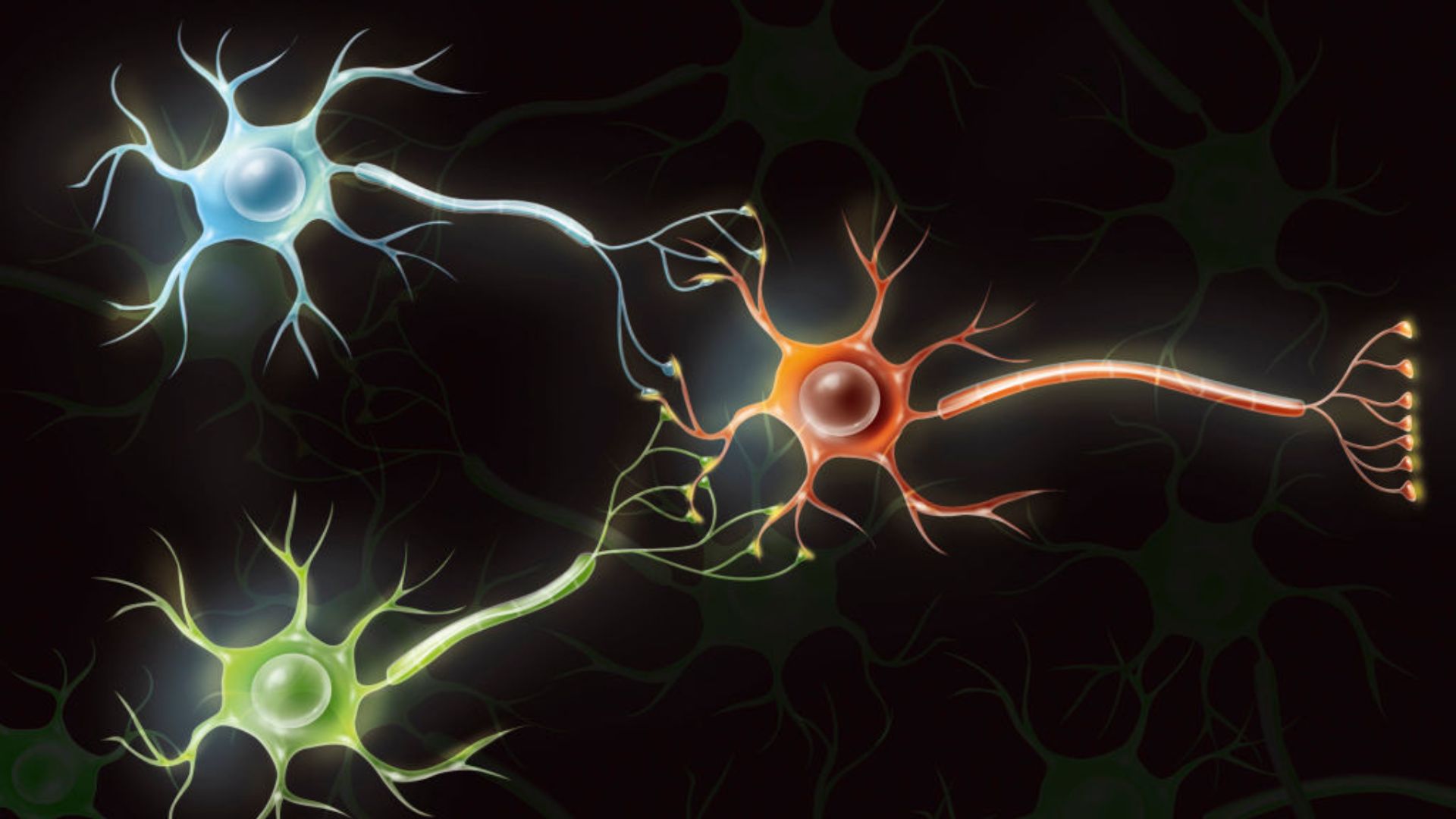
Researchers at the University of California, San Diego, are pioneering a groundbreaking approach by developing biocomputers that utilize human brain cells to perform computational tasks. This innovative technology combines biological materials, such as DNA and lab-grown neurons, to create a new form of computing that could potentially surpass traditional silicon-based systems.
A biocomputer operates by integrating living tissues with computational capabilities. In this case, scientists are focused on harnessing the power of human neurons to process information. The research, published in Nature in August 2023, outlines how these biological systems can perform computations in ways that conventional computers cannot.
Utilizing neurons, which are the fundamental building blocks of the human brain, researchers have demonstrated that these cells can be programmed to respond to various stimuli, effectively allowing them to process data. This ability to adapt and learn from their environment is one of the key advantages of biocomputers over traditional computing technologies.
Potential Applications and Implications
The implications of this research are vast. Biocomputers could lead to advancements in numerous fields, including artificial intelligence, drug development, and even neuroprosthetics. For instance, by mimicking the way the human brain processes information, these devices could enhance machine learning algorithms or lead to more efficient data processing methods.
Moreover, the integration of biological components may enable these systems to operate with lower energy consumption compared to their silicon counterparts. This could prove invaluable in an era where energy efficiency is increasingly critical.
Researchers are also exploring how biocomputers might be used in medical applications. For example, they could contribute to the development of personalized medicine by facilitating the analysis of complex biological data. This could lead to more targeted therapies for diseases such as cancer or neurodegenerative disorders.
Challenges Ahead
Despite the promising potential, several challenges remain before biocomputers can be widely adopted. One significant hurdle is the longevity and stability of living cells outside their natural environment. Ensuring that these cells can function effectively over extended periods will be crucial for practical applications.
Additionally, ethical considerations surrounding the use of human brain cells must be addressed. Researchers are committed to navigating these concerns responsibly, ensuring that their work adheres to ethical standards and respects individual rights.
As this research progresses, the potential for biocomputers to revolutionize computing and various industries becomes increasingly clear. By merging biology with technology, scientists are not only expanding the boundaries of what is possible in computing but also opening new avenues for innovation that could redefine our understanding of both fields.
This transformative development marks a significant step forward in the convergence of biology and technology, hinting at a future where computers might think and learn like humans. The journey from concept to reality will require collaboration across disciplines, regulatory frameworks, and ongoing research, but the promise of biocomputers is undeniably exciting.

Urgent: 28 Dogs Rescued from Cruel Conditions in Windsor

OpenAI CEO Sam Altman Declares He Can’t Parent Without ChatGPT

Verdigris Falls to Holland Hall: First-Round Playoff Defeat

Judge Approves Release of Epstein Case Records in Landmark Ruling

Research Team Analyzes Hydration Impact at Boston Marathon

49ers Aim for Playoffs: Key Strategy to Secure NFC’s Top Seed

Bali Arrests Sex Worker Bonnie Blue and Associates in Police Raid

Barista of the Year: How One Employee Stands Out at Biggby

Iconic Game Show ‘The Wheel’ Launches Live Performances in Sarasota

Ohio State Study Uncovers Brain Connectivity and Function Links

Hamas Chief Stresses Disarmament Tied to Occupation’s End

University of Hawaiʻi Joins $25.6M AI Project for Disaster Monitoring

Megan Thee Stallion Exposes Alleged Online Attack by Bots

ALMA Discovers Companion Orbiting Giant Star π 1 Gruis

Researchers Challenge 200-Year-Old Physics Principle with Atomic Engines

Paloma Elsesser Shines at LA Event with Iconic Slicked-Back Bun

FDA Unveils Plan to Cut Drug Prices and Boost Biosimilars

Motley Fool Wealth Management Reduces Medtronic Holdings by 14.7%
-
 Science1 month ago
Ohio State Study Uncovers Brain Connectivity and Function Links
-
 Politics1 month ago
Hamas Chief Stresses Disarmament Tied to Occupation’s End
-
Science1 month ago
University of Hawaiʻi Joins $25.6M AI Project for Disaster Monitoring
-
 Entertainment1 month ago
Megan Thee Stallion Exposes Alleged Online Attack by Bots
-
 Science4 weeks ago
ALMA Discovers Companion Orbiting Giant Star π 1 Gruis
-
 Science2 months ago
Researchers Challenge 200-Year-Old Physics Principle with Atomic Engines
-
 Entertainment1 month ago
Paloma Elsesser Shines at LA Event with Iconic Slicked-Back Bun
-
 World1 month ago
FDA Unveils Plan to Cut Drug Prices and Boost Biosimilars
-
 Business1 month ago
Motley Fool Wealth Management Reduces Medtronic Holdings by 14.7%
-

 Top Stories1 month ago
Federal Agents Detain Driver in Addison; Protests Erupt Immediately
-

 Entertainment1 month ago
Beloved Artist and Community Leader Gloria Rosencrants Passes Away
-

 Science2 months ago
Innovator Captures Light at 2 Billion Frames Per Second