
Science
Malaysia Cracks Down on $1.1 Billion Electricity Theft by Bitcoin Miners

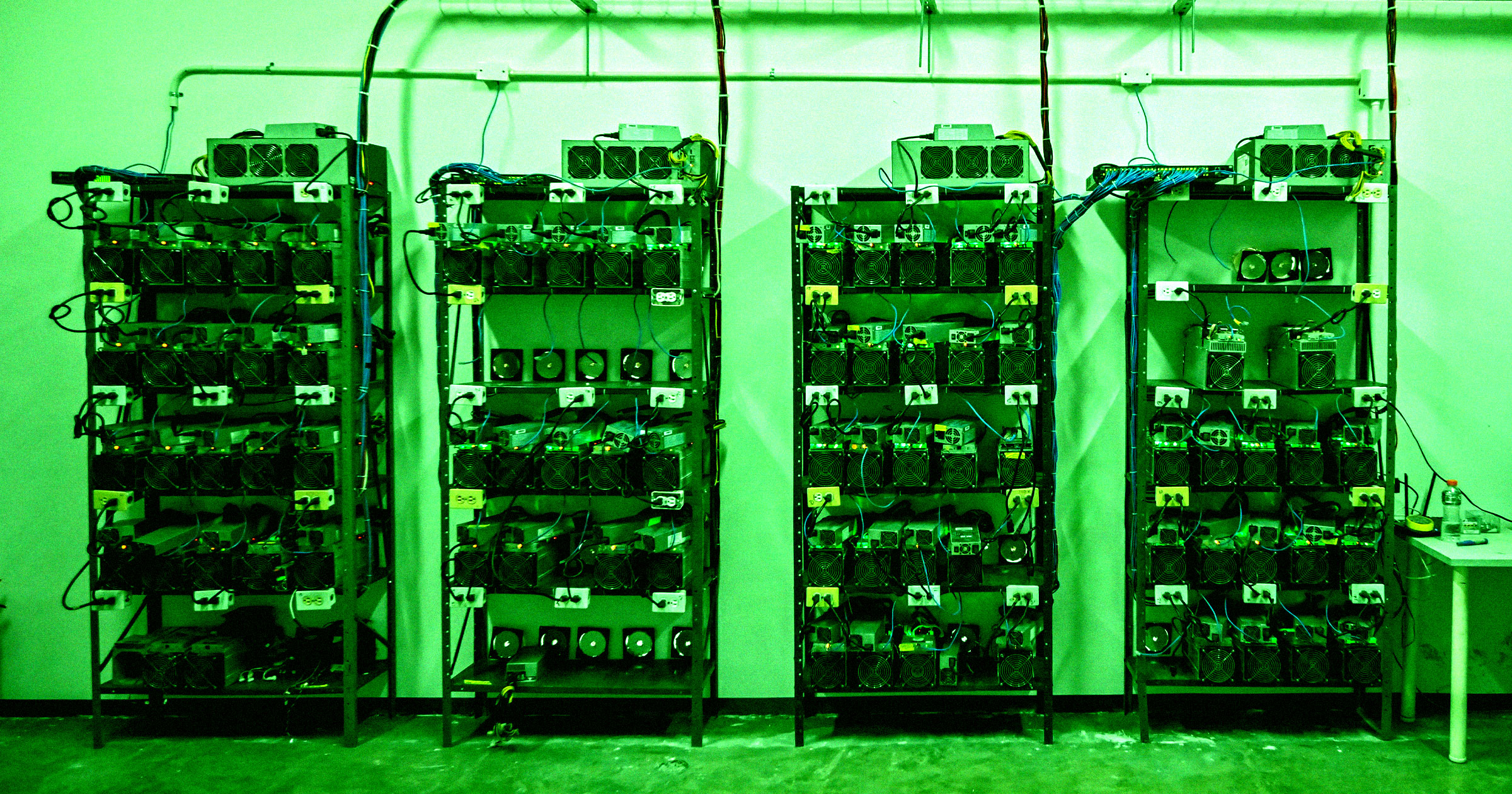
Local law enforcement in Malaysia is aggressively pursuing approximately 14,000 illegal Bitcoin mining operations that have reportedly stolen around $1.1 billion in electricity over the past five years. This unprecedented level of theft has prompted authorities to deploy drones and handheld sensors to detect irregular power usage, creating a complex and high-stakes game of enforcement against those exploiting the country’s energy resources.
The surge in Bitcoin’s value, which reached a record high of over $126,000 in October 2023, has motivated many to engage in illegal mining, despite the significant risks involved. Although the cryptocurrency has experienced notable fluctuations, the profitability of mining has driven thousands to steal electricity from the grid, resulting in severe financial losses for Malaysia’s state-owned energy provider, Tenaga Nasional.
Impact on Energy Infrastructure
According to Akmal Nasir, Malaysia’s Deputy Minister of Energy Transition and Water Transformation, the consequences of these illegal mining operations extend beyond mere theft. “The risk of allowing such activities to happen is no longer about stealing,” he stated. “You can actually even break our facilities. It becomes a challenge to our system.” The ongoing operations threaten to destabilize the national power grid, which has already faced challenges in other regions, such as Iran and Kuwait, where illegal mining has contributed to power crises and blackouts.
Globally, Bitcoin mining consumes a staggering amount of electricity, surpassing the annual energy usage of some entire countries. A report from the University of Cambridge indicates that the United States is responsible for over 75 percent of Bitcoin mining activities. In contrast, other cryptocurrencies like Ethereum have adopted alternative validation methods that significantly reduce energy consumption.
In Malaysia, the allure of illegal mining has transformed abandoned malls and industrial sites into clandestine crypto operations. Legal miners are obligated to pay for their energy usage and taxes, but many illegal operators find that the benefits of pilfered power outweigh the risks of detection. “Even if you run it properly, the challenge is that the market itself is very volatile,” Nasir remarked. “I don’t see any well-run mining that can be considered as successful legally.”
Organized Crime and Enforcement Challenges
Nasir described the illegal mining operations as being run “by the syndicate,” suggesting a level of organization that complicates enforcement efforts. “It does have a modus operandi,” he added, indicating that these operations may be more than just opportunistic thefts. The Malaysian government has established a special task force dedicated to curbing illegal mining activities, but the scale and clandestine nature of these operations present ongoing challenges.
As authorities ramp up their efforts to address this wave of electricity theft, the situation underscores the complex relationship between cryptocurrency mining and energy consumption. With the potential for disruptions to the power grid and significant financial implications for state-owned utilities, Malaysia’s crackdown on illegal Bitcoin mining serves as a critical case study in the global struggle to balance innovation with regulatory oversight.

San Francisco Woman Gives Birth in Waymo Taxi, Shocking Event Unfolds

International Boxing Hall of Fame Unveils Class of 2026 Inductees

Emergency Landing: Plane Collides with Car on Florida Highway

Google Settlement: Are You Eligible for a Share of $700 Million?

Elon Musk Reflects on Government Efficiency Role: “Somewhat Successful”

Master Eye Contact with Tips from Pat Summitt Leadership Group

Orlando Ponds Named Employee of the Month for Exceptional Service

Urgent Update: Man Arrested for Attempted Murder at Gilroy Safeway

Urgent: 28 Dogs Rescued from Cruel Conditions in Windsor

Ohio State Study Uncovers Brain Connectivity and Function Links

Hamas Chief Stresses Disarmament Tied to Occupation’s End

University of Hawaiʻi Joins $25.6M AI Project for Disaster Monitoring

Megan Thee Stallion Exposes Alleged Online Attack by Bots

ALMA Discovers Companion Orbiting Giant Star π 1 Gruis

Researchers Challenge 200-Year-Old Physics Principle with Atomic Engines

Paloma Elsesser Shines at LA Event with Iconic Slicked-Back Bun

FDA Unveils Plan to Cut Drug Prices and Boost Biosimilars

Motley Fool Wealth Management Reduces Medtronic Holdings by 14.7%
-
 Science1 month ago
Ohio State Study Uncovers Brain Connectivity and Function Links
-
 Politics1 month ago
Hamas Chief Stresses Disarmament Tied to Occupation’s End
-
Science1 month ago
University of Hawaiʻi Joins $25.6M AI Project for Disaster Monitoring
-
 Entertainment1 month ago
Megan Thee Stallion Exposes Alleged Online Attack by Bots
-
 Science4 weeks ago
ALMA Discovers Companion Orbiting Giant Star π 1 Gruis
-
 Science2 months ago
Researchers Challenge 200-Year-Old Physics Principle with Atomic Engines
-
 Entertainment1 month ago
Paloma Elsesser Shines at LA Event with Iconic Slicked-Back Bun
-
 World1 month ago
FDA Unveils Plan to Cut Drug Prices and Boost Biosimilars
-
 Business1 month ago
Motley Fool Wealth Management Reduces Medtronic Holdings by 14.7%
-

 Top Stories1 month ago
Federal Agents Detain Driver in Addison; Protests Erupt Immediately
-

 Entertainment1 month ago
Beloved Artist and Community Leader Gloria Rosencrants Passes Away
-

 Science2 months ago
Innovator Captures Light at 2 Billion Frames Per Second