
Business
Federal Reserve Introduces New Banking Guidelines, Provokes Mixed Reactions

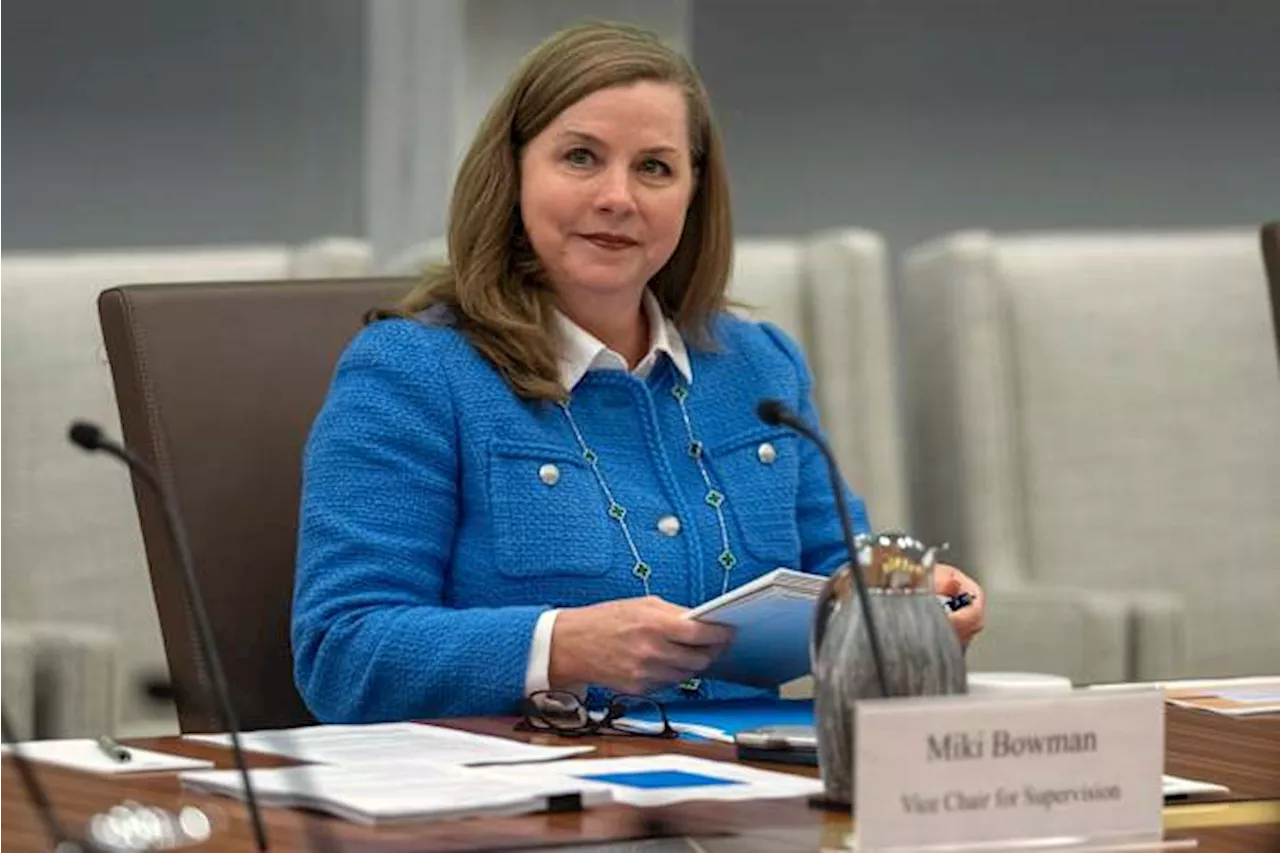
The Federal Reserve has officially introduced new guidelines for banking supervision, shifting the focus towards material financial risks while reducing the emphasis on procedural documentation. This announcement, made on October 3, 2023, has generated a polarized response from the financial community, with industry representatives welcoming the changes and former officials raising concerns about potential risks.
The revised guidelines aim to streamline the supervisory process, allowing bank examiners to prioritize critical areas that could destabilize the financial system. Michelle Bowman, the Fed’s vice chair for supervision, stated that these principles will “sharpen” the central bank’s focus and create “a more effective supervisory framework.” The overarching objective is to enhance the stability of the banking system by concentrating on significant financial risks while maintaining transparency and accountability.
Industry Support and Criticism
The new approach comes amidst a broader trend of regulatory adjustments within the financial sector. In recent years, there has been a noticeable rollback of regulations initially implemented following the 2008 financial crisis. This includes changes made by the Consumer Financial Protection Bureau, which has modified or eliminated several regulations introduced under previous administrations.
Despite the support from industry groups, such as the Bank Policy Institute, there is concern from figures like Michael Barr, a former vice chair for supervision at the Fed. Barr criticized the alterations in banking oversight, warning that reducing the focus on supervision may hinder examiners’ abilities to effectively manage risks. He highlighted that the changes could result in a buildup of excessive risks within the banking system, posing a threat to financial stability.
The implications of these guidelines are significant, potentially affecting regulators’ capacity to proactively identify and mitigate threats. The adjustments align with similar actions taken by the Office of the Comptroller of the Currency, indicating a collective move towards a more lenient approach to bank supervision.
New Operational Framework
The guidelines reduce the scope of risk assessments, allowing banks to be evaluated primarily on material risks impacting their operations, such as poor loans or unsound practices. Additionally, banks will have the opportunity to self-certify on certain risk and supervisory issues, further simplifying the supervisory process.
Industry representatives have largely embraced these changes. Greg Baer, president and CEO of the Bank Policy Institute, emphasized that banks tend to be more resilient when examiners concentrate on material financial risks rather than compliance-driven tasks. Moreover, the new framework grants greater deference to other major regulators in determining supervisory responsibilities.
In conjunction with these operational shifts, Bowman has initiated a reduction in the Fed’s regulatory staffing, primarily through attrition. This decision has faced criticism, particularly from Barr, who expressed concerns that a smaller workforce could impede the effectiveness of supervisors in responding to individual bank risks and broader financial system challenges.
As the Federal Reserve implements these new guidelines, the potential for increased regulatory flexibility presents both opportunities and dangers. The financial community will be watching closely to see how these changes unfold and impact the broader landscape of banking regulation and oversight.

Urgent Swatting Incident Ties Up Emergency Resources in Alabama

Urgent Tax Alert: Claim Your Deductions Before April 15!

Scientists Investigate Cosmic Defects: Where Are They Now?

Spring Bocce Leagues Open Registration in Rapid City

CALV Offers Essential Communication Class for Real Estate Pros

Samsung Galaxy Watch 9 Set for Larger 435mAh Battery Upgrade

Healthy Choice Wellness Reports Earnings, Stock Sees Uptick

Prince Harry Claims to Be ‘Antidote to Andrew’ Amid Royal Crisis

Pet Owners Weigh Kibble Against Fresh Dog Food Options

ALMA Discovers Companion Orbiting Giant Star π 1 Gruis

U.S. Visa Rescheduling Hits H‐1B Applicants as New Vetting Rules Take Effect

University of Hawaiʻi Joins $25.6M AI Project for Disaster Monitoring

F-22 Raptor vs. Su-57 Felon: A 2025 Fighter Jet Comparison

Recent Divorce Judgments from Iberia Parish Court Records

Ohio State Study Uncovers Brain Connectivity and Function Links

Prince Andrew Faces Fallout from Scandals and Allegations

Urgent: Flight Cancellations Loom at Texas Airports Amid Shutdown

Frank Dunn, Esteemed Builder and Community Leader, Passes Away at 89
-
 Science8 months ago
ALMA Discovers Companion Orbiting Giant Star π 1 Gruis
-
 Politics6 months ago
U.S. Visa Rescheduling Hits H‐1B Applicants as New Vetting Rules Take Effect
-
Science8 months ago
University of Hawaiʻi Joins $25.6M AI Project for Disaster Monitoring
-
 World8 months ago
F-22 Raptor vs. Su-57 Felon: A 2025 Fighter Jet Comparison
-
 Science9 months ago
Ohio State Study Uncovers Brain Connectivity and Function Links
-
 Politics8 months ago
Recent Divorce Judgments from Iberia Parish Court Records
-
 World8 months ago
Prince Andrew Faces Fallout from Scandals and Allegations
-
 Top Stories8 months ago
Urgent: Flight Cancellations Loom at Texas Airports Amid Shutdown
-
 Lifestyle8 months ago
Frank Dunn, Esteemed Builder and Community Leader, Passes Away at 89
-

 Business8 months ago
Appian Recognizes 2025 Partner Award Winners for Enterprise Innovation
-

 Entertainment6 months ago
Malachi Barton Tops Google Searches as Disney’s Rising Star of 2025
-

 Science9 months ago
Innovator Captures Light at 2 Billion Frames Per Second