
Top Stories
HHS Proposes Drug Ad Reforms, Sparking Free Speech Concerns

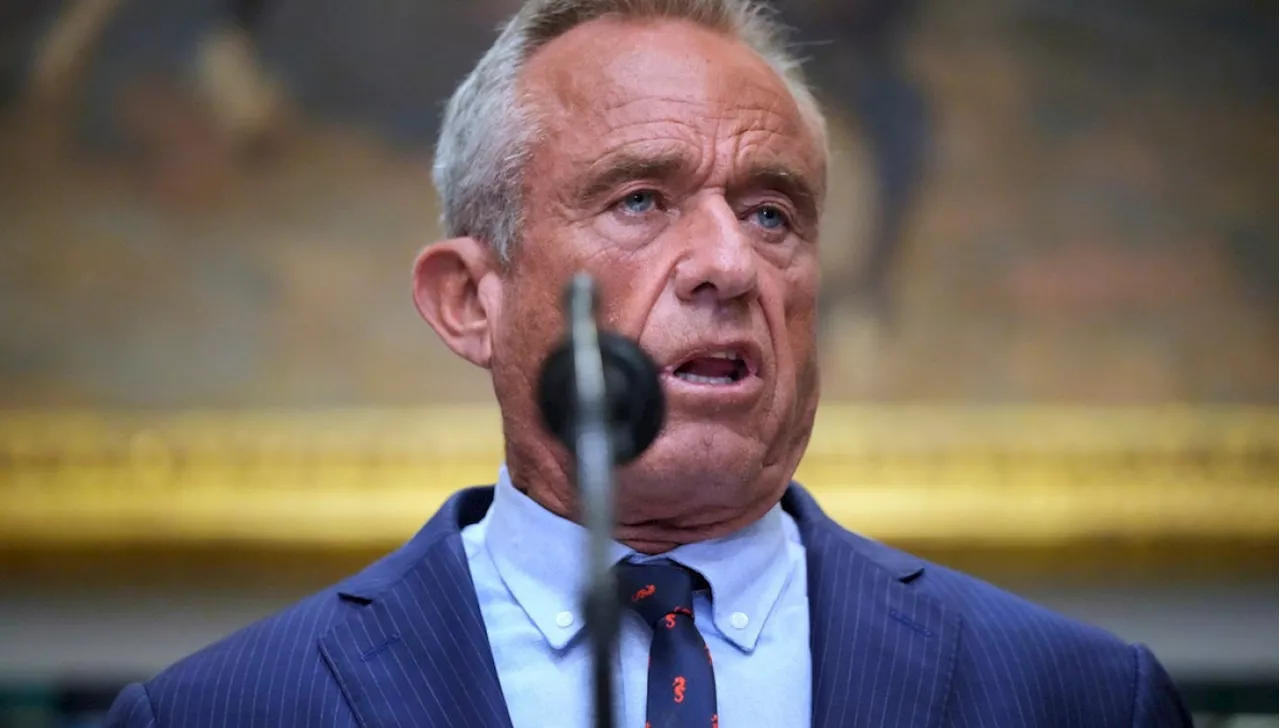
UPDATE: The U.S. Department of Health and Human Services (HHS) has just proposed sweeping reforms to drug advertising, igniting urgent debates over patient rights and free speech. Critics warn that these changes could severely limit access to vital medical information for consumers, potentially endangering lives.
The proposed regulations aim to impose extensive disclosure requirements on pharmaceutical advertisements. Advocates argue that such regulations amount to a de facto ban, stifling legitimate communication about new treatments. HHS’s initiative raises critical questions about whether patients will benefit from fewer, more heavily regulated advertisements or be deprived of essential knowledge about their health options.
WHY THIS MATTERS: The stakes are high as millions rely on accurate drug advertisements for information that could lead to life-saving treatments. If enacted, these rules could lead to confusion and silence surrounding new medications, ultimately harming patient care.
As the debate unfolds, key players like former GlaxoSmithKline General Counsel have voiced their concerns. “Censorship is never the answer to misleading information in a democracy,” he stated. “Transparency and trust in the public’s right to know is the cure.”
Historically, courts have supported the right to truthful drug advertising, emphasizing that consumers must have access to information about lawful medical products. In landmark decisions, the Supreme Court ruled that restrictions on commercial speech violate the First Amendment if they limit honest communication.
With these new proposals, HHS may inadvertently create a situation where essential health information cannot be conveyed effectively. Regulatory authorities already possess the power to penalize false advertising; however, overreaching regulations could silence valuable discussions between patients and healthcare providers.
LOOKING AHEAD: The outcome of this proposal could set a precedent for how health communication is managed in the U.S. and raise significant constitutional concerns. Stakeholders, including pharmaceutical companies and advocacy groups, are closely monitoring developments. The public is urged to stay informed as this issue progresses, as the implications for patient empowerment and health literacy are profound.
In a world where medical knowledge can be a matter of life and death, the battle over drug advertising regulations is more critical than ever. The HHS must reconsider its approach to ensure consumers are not left in the dark about their treatment options.
Stay tuned for updates on this developing story.

San Francisco Woman Gives Birth in Waymo Taxi, Shocking Event Unfolds

International Boxing Hall of Fame Unveils Class of 2026 Inductees

Emergency Landing: Plane Collides with Car on Florida Highway

Google Settlement: Are You Eligible for a Share of $700 Million?

Elon Musk Reflects on Government Efficiency Role: “Somewhat Successful”

Master Eye Contact with Tips from Pat Summitt Leadership Group

Orlando Ponds Named Employee of the Month for Exceptional Service

Urgent Update: Man Arrested for Attempted Murder at Gilroy Safeway

Urgent: 28 Dogs Rescued from Cruel Conditions in Windsor

Ohio State Study Uncovers Brain Connectivity and Function Links

Hamas Chief Stresses Disarmament Tied to Occupation’s End

University of Hawaiʻi Joins $25.6M AI Project for Disaster Monitoring

Megan Thee Stallion Exposes Alleged Online Attack by Bots

ALMA Discovers Companion Orbiting Giant Star π 1 Gruis

Researchers Challenge 200-Year-Old Physics Principle with Atomic Engines

Paloma Elsesser Shines at LA Event with Iconic Slicked-Back Bun

FDA Unveils Plan to Cut Drug Prices and Boost Biosimilars

Motley Fool Wealth Management Reduces Medtronic Holdings by 14.7%
-
 Science1 month ago
Ohio State Study Uncovers Brain Connectivity and Function Links
-
 Politics1 month ago
Hamas Chief Stresses Disarmament Tied to Occupation’s End
-
Science1 month ago
University of Hawaiʻi Joins $25.6M AI Project for Disaster Monitoring
-
 Entertainment1 month ago
Megan Thee Stallion Exposes Alleged Online Attack by Bots
-
 Science4 weeks ago
ALMA Discovers Companion Orbiting Giant Star π 1 Gruis
-
 Science2 months ago
Researchers Challenge 200-Year-Old Physics Principle with Atomic Engines
-
 Entertainment1 month ago
Paloma Elsesser Shines at LA Event with Iconic Slicked-Back Bun
-
 World1 month ago
FDA Unveils Plan to Cut Drug Prices and Boost Biosimilars
-
 Business1 month ago
Motley Fool Wealth Management Reduces Medtronic Holdings by 14.7%
-

 Top Stories1 month ago
Federal Agents Detain Driver in Addison; Protests Erupt Immediately
-

 Entertainment1 month ago
Beloved Artist and Community Leader Gloria Rosencrants Passes Away
-

 Science2 months ago
Innovator Captures Light at 2 Billion Frames Per Second