
Top Stories
CDC Panel Limits Newborn Hepatitis B Vaccination; Urgent Concerns Rise

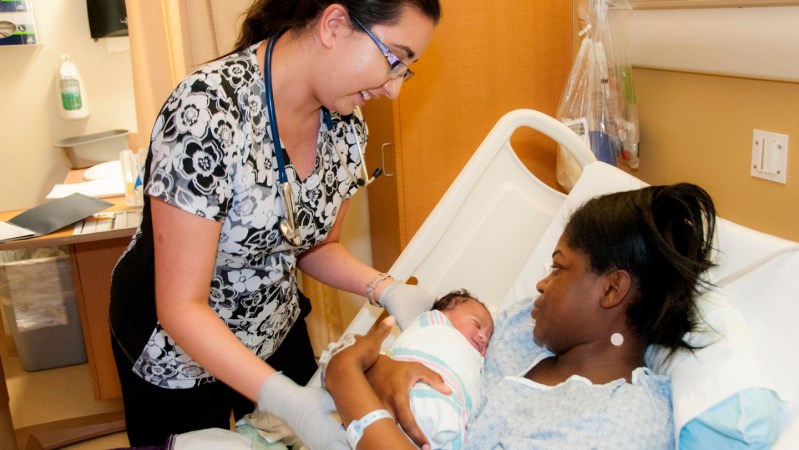
UPDATE: In a shocking move, the CDC’s Advisory Committee on Immunization Practices (ACIP) has voted to limit universal hepatitis B vaccination for newborns, triggering urgent concerns among health experts. The committee, in a 8–3 vote, will now only recommend vaccination for infants born to mothers who test positive for the virus. This decision was made without presenting new evidence to justify the significant change, raising alarms about the potential risks to newborns.
Health officials are highlighting the critical implications of this new policy. Currently, approximately 90% of infants infected with hepatitis B develop chronic conditions, leading to severe health issues including liver damage and an increased risk of liver cancer. José Romero, former ACIP chair, stated, “Delaying the birth dose would leave newborns unprotected during a critical window in their lives.” He emphasized, “Children will die preventable deaths without timely access to the hepatitis B vaccine.”
The controversial decision comes amid a tumultuous two-day meeting filled with heated debates and allegations that some ACIP members, appointed by Health and Human Services Secretary and antivaccine advocate Robert F. Kennedy Jr., sought to undermine the safety of the hepatitis B vaccine. These claims have been firmly refuted by a recent review from the University of Minnesota’s Vaccine Integrity Project, which analyzed over 400 studies and reinforced the vaccine’s safety and effectiveness.
Historically, universal hepatitis B vaccination was implemented in the United States in 1991, leading to a staggering 99% reduction in cases. The current recommendation shift could reverse decades of progress in protecting infants from this dangerous virus. Experts warn that without the immediate vaccination at birth, newborns face exposure not only from infected mothers but also from other caregivers, as the virus can remain viable on surfaces for over a week.
During the ACIP meeting, physician Jason Goldman, liaison for the American College of Physicians, cautioned that this change “will only endanger children.” In total, 18% of pregnant individuals do not receive hepatitis B screening, and many who test negative may still be at risk by the time of delivery. The delay in vaccination places infants in jeopardy during a critical period when they are most vulnerable.
Advocates for maintaining universal vaccination express grave concerns about the ethical implications of the new policy. Pediatric infectious disease specialist Cody Meissner, who voted against the change, stated, “We are doing harm.” He highlighted the moral imperative of the “do no harm” principle in medicine and warned against the consequences of this decision.
The public is urged to stay informed as health experts rally against what they view as a detrimental policy shift. The ACIP’s recommendations will be closely monitored, and further discussions are expected as the implications of this vote unfold. As the debate continues, the health and safety of millions of newborns hang in the balance.
As this story develops, readers are encouraged to share their thoughts and concerns about the potential impacts of these changes. The stakes are high, and the need for awareness is critical as we navigate this urgent public health issue.

Urgent Swatting Incident Ties Up Emergency Resources in Alabama

Urgent Tax Alert: Claim Your Deductions Before April 15!

Scientists Investigate Cosmic Defects: Where Are They Now?

Spring Bocce Leagues Open Registration in Rapid City

CALV Offers Essential Communication Class for Real Estate Pros

Samsung Galaxy Watch 9 Set for Larger 435mAh Battery Upgrade

Healthy Choice Wellness Reports Earnings, Stock Sees Uptick

Prince Harry Claims to Be ‘Antidote to Andrew’ Amid Royal Crisis

Pet Owners Weigh Kibble Against Fresh Dog Food Options

ALMA Discovers Companion Orbiting Giant Star π 1 Gruis

U.S. Visa Rescheduling Hits H‐1B Applicants as New Vetting Rules Take Effect

University of Hawaiʻi Joins $25.6M AI Project for Disaster Monitoring

F-22 Raptor vs. Su-57 Felon: A 2025 Fighter Jet Comparison

Recent Divorce Judgments from Iberia Parish Court Records

Ohio State Study Uncovers Brain Connectivity and Function Links

Urgent: Flight Cancellations Loom at Texas Airports Amid Shutdown

Frank Dunn, Esteemed Builder and Community Leader, Passes Away at 89

Prince Andrew Faces Fallout from Scandals and Allegations
-
 Science9 months ago
ALMA Discovers Companion Orbiting Giant Star π 1 Gruis
-
 Politics7 months ago
U.S. Visa Rescheduling Hits H‐1B Applicants as New Vetting Rules Take Effect
-
Science9 months ago
University of Hawaiʻi Joins $25.6M AI Project for Disaster Monitoring
-
 World9 months ago
F-22 Raptor vs. Su-57 Felon: A 2025 Fighter Jet Comparison
-
 Politics9 months ago
Recent Divorce Judgments from Iberia Parish Court Records
-
 Science9 months ago
Ohio State Study Uncovers Brain Connectivity and Function Links
-
 Top Stories9 months ago
Urgent: Flight Cancellations Loom at Texas Airports Amid Shutdown
-
 Lifestyle9 months ago
Frank Dunn, Esteemed Builder and Community Leader, Passes Away at 89
-
 World9 months ago
Prince Andrew Faces Fallout from Scandals and Allegations
-

 Business9 months ago
Appian Recognizes 2025 Partner Award Winners for Enterprise Innovation
-

 Entertainment7 months ago
Malachi Barton Tops Google Searches as Disney’s Rising Star of 2025
-

 Top Stories8 months ago
Republican Matt Van Epps Wins Tennessee Special Election