
Top Stories
Energy Costs Set to Surge in Maine Starting January 1

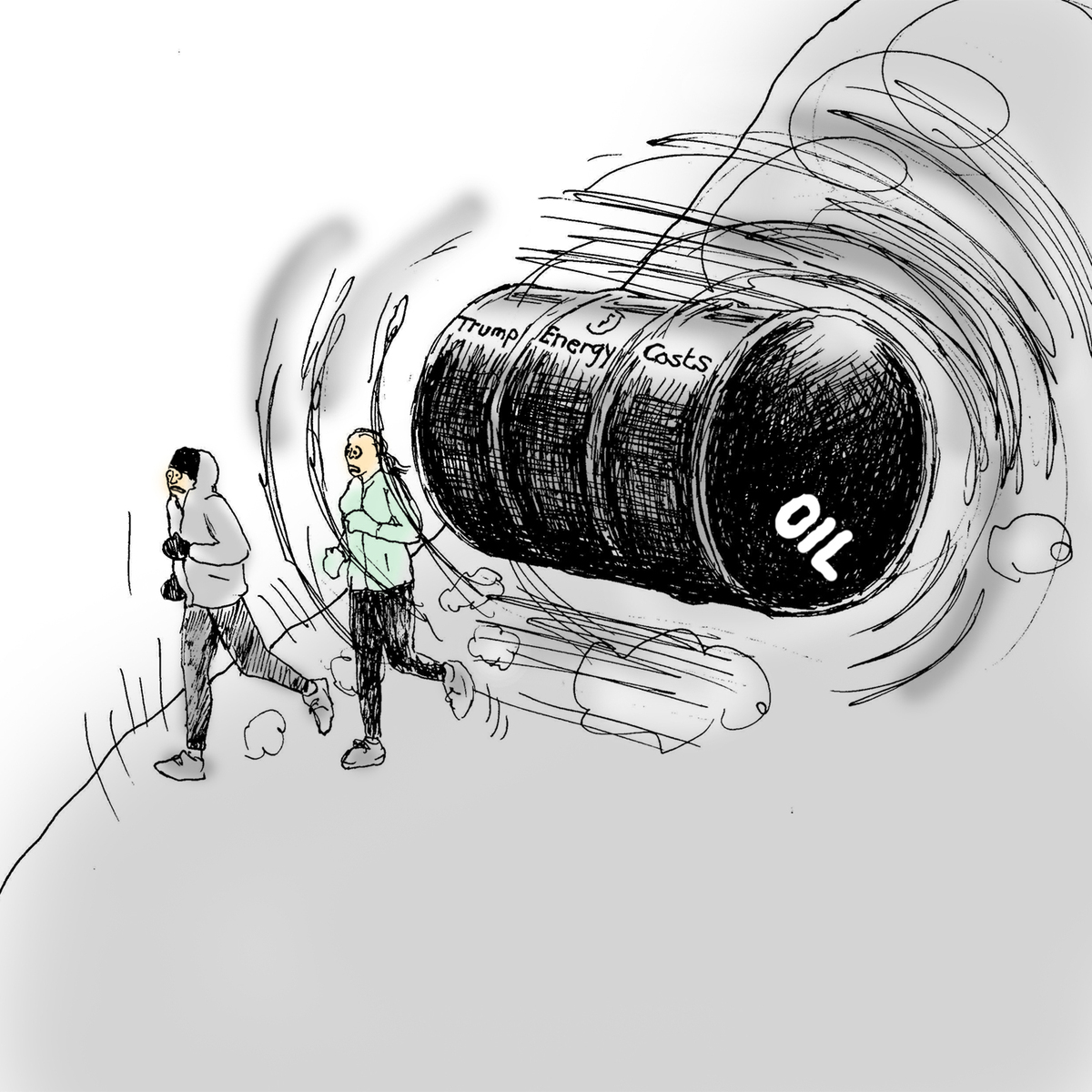
URGENT UPDATE: Starting January 1, Mainers will face an alarming rise in electricity bills, with costs surging by $11 to $16 per month. This increase is linked to the ongoing dependency on natural gas prices and outdated energy policies that favor fossil fuels.
Energy affordability has become a critical issue for families and small businesses across Maine, and the situation is worsening. Experts warn that the Trump administration’s policies are exacerbating this crisis, as they prioritize fossil fuels over clean energy solutions.
According to the Natural Resources Council of Maine, the state’s reliance on imported fossil fuels is the primary driver of these escalating costs. The Council emphasizes that the solution lies in expanding clean energy initiatives within Maine to provide more affordable and reliable electricity options.
New reports confirm that the One Big Beautiful Bill Act, which effectively dismantled nearly all clean energy policies from the Inflation Reduction Act, will have dire consequences for Maine households. A recent analysis indicates that repealing clean energy tax credits could hike electricity rates in New England by 17%.
“The federal government under the Trump administration has pushed to slow, stop or cancel clean energy projects that help stabilize electricity costs across New England,” said Anya Fetcher, federal policy advocate at the Natural Resources Council of Maine.
One such project, the Revolution Wind initiative, is at risk due to a stop-work order, jeopardizing $500 million in annual savings for electricity consumers. Such interruptions in clean energy projects not only threaten future savings but also perpetuate dependence on volatile fossil fuel markets.
Adding to the burden, the implementation of tariffs on renewable energy systems could spike installation costs, further driving up energy expenses. An analysis this summer revealed that a 10% tariff could inflate average household energy costs by $419 per year, while a 25% tariff might push costs up by over $1,000.
With electricity supply costs largely dictated by natural gas prices, Maine remains vulnerable to shifts in the fossil fuel market. The Trump administration’s push to expand U.S. liquefied natural gas exports is further fueling these rising costs, with significant price increases expected as early as January.
Despite these challenges, there is a glimmer of hope. Maine has a robust foundation for clean energy development, with thriving rooftop and community solar projects, alongside promising offshore wind resources in the Gulf of Maine. Currently, the clean energy sector employs over 15,000 Mainers, indicating a strong potential for growth.
However, ongoing federal policies are stifling this progress. “The path taken by the Trump administration is not only detrimental to our environment but also makes energy more expensive for Mainers,” Fetcher added.
What’s Next: As the deadline for the new energy costs approaches, Mainers must stay informed about the developments in energy policy and potential relief measures. Continued advocacy for clean energy solutions is essential to mitigate the impact of rising costs and foster a sustainable energy future.
Stay tuned for more updates as this situation evolves, and consider sharing this information to help keep your community informed about the rising energy costs affecting Maine households.

Urgent Swatting Incident Ties Up Emergency Resources in Alabama

Urgent Tax Alert: Claim Your Deductions Before April 15!

Scientists Investigate Cosmic Defects: Where Are They Now?

Spring Bocce Leagues Open Registration in Rapid City

CALV Offers Essential Communication Class for Real Estate Pros

Samsung Galaxy Watch 9 Set for Larger 435mAh Battery Upgrade

Healthy Choice Wellness Reports Earnings, Stock Sees Uptick

Prince Harry Claims to Be ‘Antidote to Andrew’ Amid Royal Crisis

Pet Owners Weigh Kibble Against Fresh Dog Food Options

ALMA Discovers Companion Orbiting Giant Star π 1 Gruis

U.S. Visa Rescheduling Hits H‐1B Applicants as New Vetting Rules Take Effect

University of Hawaiʻi Joins $25.6M AI Project for Disaster Monitoring

F-22 Raptor vs. Su-57 Felon: A 2025 Fighter Jet Comparison

Recent Divorce Judgments from Iberia Parish Court Records

Ohio State Study Uncovers Brain Connectivity and Function Links

Urgent: Flight Cancellations Loom at Texas Airports Amid Shutdown

Frank Dunn, Esteemed Builder and Community Leader, Passes Away at 89

Prince Andrew Faces Fallout from Scandals and Allegations
-
 Science9 months ago
ALMA Discovers Companion Orbiting Giant Star π 1 Gruis
-
 Politics7 months ago
U.S. Visa Rescheduling Hits H‐1B Applicants as New Vetting Rules Take Effect
-
Science9 months ago
University of Hawaiʻi Joins $25.6M AI Project for Disaster Monitoring
-
 World9 months ago
F-22 Raptor vs. Su-57 Felon: A 2025 Fighter Jet Comparison
-
 Politics9 months ago
Recent Divorce Judgments from Iberia Parish Court Records
-
 Science9 months ago
Ohio State Study Uncovers Brain Connectivity and Function Links
-
 Top Stories9 months ago
Urgent: Flight Cancellations Loom at Texas Airports Amid Shutdown
-
 Lifestyle9 months ago
Frank Dunn, Esteemed Builder and Community Leader, Passes Away at 89
-
 World9 months ago
Prince Andrew Faces Fallout from Scandals and Allegations
-

 Business9 months ago
Appian Recognizes 2025 Partner Award Winners for Enterprise Innovation
-

 Entertainment7 months ago
Malachi Barton Tops Google Searches as Disney’s Rising Star of 2025
-

 Top Stories8 months ago
Republican Matt Van Epps Wins Tennessee Special Election