
World
EV Range Claims Under Scrutiny: Independent Tests Reveal Gaps

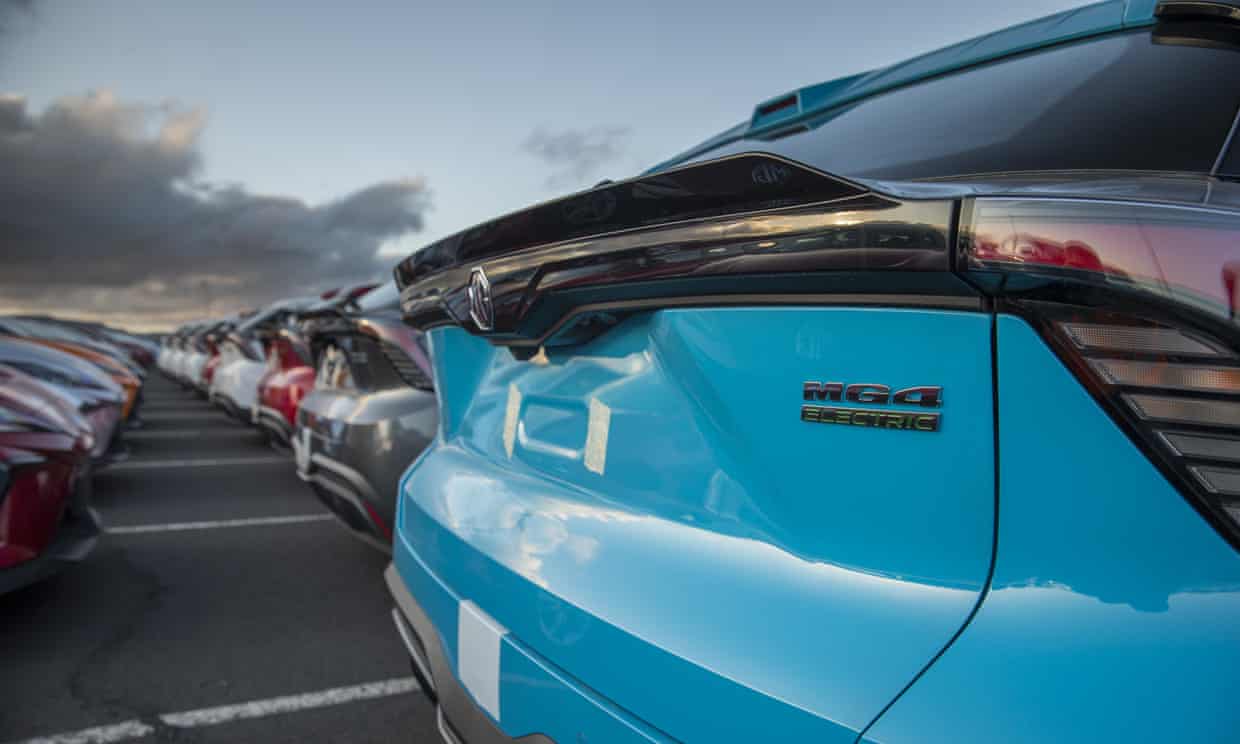
Independent road tests have found that electric vehicles (EVs) in Australia are not achieving the range promised by manufacturers. The Australian Automobile Association (AAA) released findings indicating that every model analyzed fell short of its advertised distance on a single charge. Among the tested vehicles, the MG4 electric hatchback recorded the most significant discrepancy, falling short by more than 120 kilometers from its claimed range.
In contrast, the Tesla Model Y SUV performed comparatively well, missing its target by only 16 kilometers from a claimed range of 466 kilometers. The AAA’s findings were published following the latest round of testing under its $14 million Real-World Testing Program, which aims to provide consumers with accurate information about vehicle performance.
Testing Details and Findings
The AAA conducted these evaluations on a 93-kilometer track in and around Geelong, Victoria, incorporating a mix of urban, rural, and motorway conditions. This testing method is crucial for providing a realistic assessment of how electric vehicles perform outside controlled laboratory environments.
All five models reviewed in this round of tests failed to meet their promised ranges. The Kia EV3 missed its target by 67 kilometers, representing an 11% shortfall, while the Smart #1 fell short by 53 kilometers, or 13%. These results echo previous assessments showing that 76% of 131 internal combustion and hybrid vehicles also consumed more fuel than advertised.
Michael Bradley, managing director of the AAA, emphasized the importance of comparing real-world performance to laboratory results. “These results give consumers an independent indication of real-world battery range, which means they now know which cars perform as advertised and which do not,” he stated.
Consumer Impact and Industry Implications
The AAA’s testing program, which launched in 2023 and is funded by the federal government, aims to test 200 vehicles overall. So far, 140 vehicles have been evaluated, with most showing higher energy consumption than claimed. This initiative follows the 2015 Volkswagen emissions scandal, which raised consumer awareness regarding vehicle performance claims.
Bradley noted that improved information about real-world driving range could help consumers feel more confident in transitioning to electric vehicles. “Giving consumers improved information about real-world driving range means buyers can worry less about running out of charge and make the switch to EVs with confidence,” he said.
As the market for electric vehicles continues to grow, understanding the gap between advertised and actual performance remains critical for consumers making purchasing decisions. The AAA’s findings highlight a pressing need for transparency in EV performance claims, ensuring drivers can make informed choices in this evolving automotive landscape.

Urgent: Two Hospitalized After Drive-By Shooting in Stockton

Athens Town Board Approves Urgent Moratorium on Data Centers

XREAL Launches 1S Glasses and NEO Hub to Enhance Handheld Gaming

EV Range Claims Under Scrutiny: Independent Tests Reveal Gaps

Repairs Scheduled for Third Avenue Viaduct in Columbus

Groundbreaking Therapy Offers Hope for Rare Kidney Disease in Children

Bubble’s Skincare Gift Set Takes Center Stage This Holiday Season

Fatal San Ramon Tesla Crash Victim Identified as Alix Sparks

Santa & Sons Christmas Trees Opens Lot in Van Nuys for 2025 Season

Ohio State Study Uncovers Brain Connectivity and Function Links

Hamas Chief Stresses Disarmament Tied to Occupation’s End

Megan Thee Stallion Exposes Alleged Online Attack by Bots

University of Hawaiʻi Joins $25.6M AI Project for Disaster Monitoring

Researchers Challenge 200-Year-Old Physics Principle with Atomic Engines

Paloma Elsesser Shines at LA Event with Iconic Slicked-Back Bun

FDA Unveils Plan to Cut Drug Prices and Boost Biosimilars

Federal Agents Detain Driver in Addison; Protests Erupt Immediately

Motley Fool Wealth Management Reduces Medtronic Holdings by 14.7%
-
 Science1 month ago
Ohio State Study Uncovers Brain Connectivity and Function Links
-
 Politics1 month ago
Hamas Chief Stresses Disarmament Tied to Occupation’s End
-
 Entertainment1 month ago
Megan Thee Stallion Exposes Alleged Online Attack by Bots
-
Science1 month ago
University of Hawaiʻi Joins $25.6M AI Project for Disaster Monitoring
-
 Science2 months ago
Researchers Challenge 200-Year-Old Physics Principle with Atomic Engines
-
 Entertainment1 month ago
Paloma Elsesser Shines at LA Event with Iconic Slicked-Back Bun
-
 World1 month ago
FDA Unveils Plan to Cut Drug Prices and Boost Biosimilars
-
 Top Stories1 month ago
Federal Agents Detain Driver in Addison; Protests Erupt Immediately
-
 Business1 month ago
Motley Fool Wealth Management Reduces Medtronic Holdings by 14.7%
-

 Entertainment1 month ago
Beloved Artist and Community Leader Gloria Rosencrants Passes Away
-

 Science3 weeks ago
ALMA Discovers Companion Orbiting Giant Star π 1 Gruis
-

 Politics2 months ago
NHP Foundation Secures Land for 158 Affordable Apartments in Denver