
Top Stories
New Rules Require Social Media Scrutiny for Visa-Free Travelers

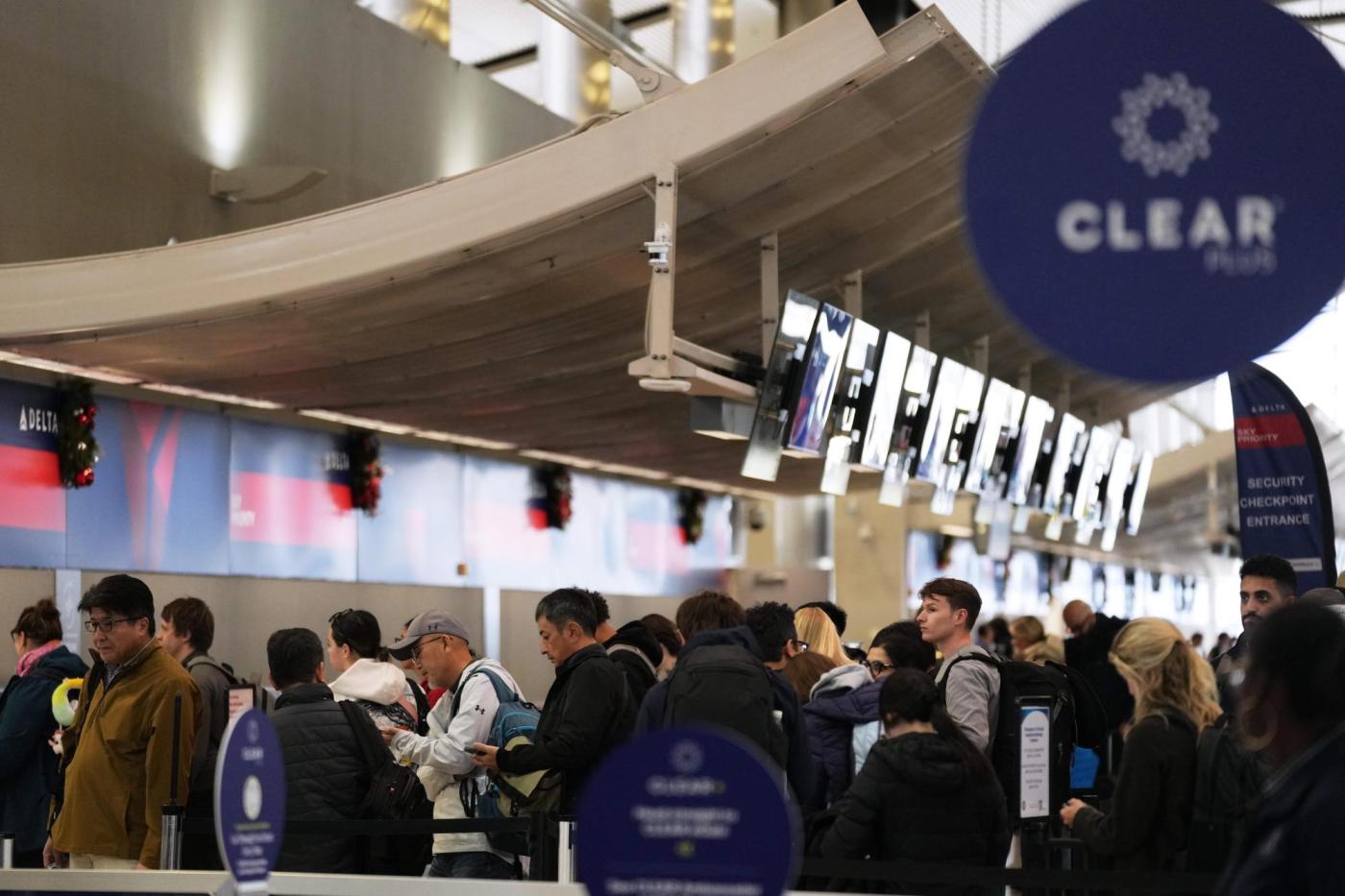
UPDATE: Foreigners traveling to the United States without a visa may soon face mandatory social media scrutiny. The Department of Homeland Security announced that select travelers could be required to submit extensive information about their social media accounts, email addresses, and family history before gaining travel approval.
This potential policy shift was detailed in a notice published in the Federal Register on Wednesday, revealing that Customs and Border Protection (CBP) is proposing to collect up to five years’ worth of social media activity from travelers from over 40 countries participating in the Visa Waiver Program. This program currently allows citizens from mostly European and Asian nations to visit the U.S. for tourism or business for up to three months without a visa.
The proposed changes would require travelers to disclose phone numbers used in the past five years, email addresses from the last decade, and even metadata from electronically submitted photos. Additionally, applicants would need to provide detailed information about their family members, including birthplaces and phone numbers.
The public has 60 days to comment on these changes before they go into effect. The announcement comes as part of an ongoing effort to enhance national security screening, following an executive order signed by former President Donald Trump in January 2024.
While travelers from non-visa waiver countries have been required to provide their social media information since the Trump administration, this new rule marks a significant expansion of scrutiny for those previously exempt. Concerns have been raised by immigration and free speech advocates regarding the implications of such invasive measures, particularly about potential discrimination against those critical of the administration.
CBP has not yet clarified what specific information it seeks from social media accounts, leaving many questions unanswered as the agency increases its checks on immigrants and travelers.
As the deadline for public comment approaches, travelers and advocates alike are preparing to voice their concerns over privacy and potential overreach by government authorities. The heightened focus on social media screening is likely to impact how international travelers approach their trips to the U.S. and raises significant questions about the future of privacy in an increasingly digital world.
Stay tuned for further updates as this situation develops.

NASA Loses Contact with Maven Mars Spacecraft After 10 Years

Major Renovations Completed at MSP Airport’s Terminal 1

Joe Buck Receives Frick Award, Becomes First Father-Son Duo Honored

Tens of Thousands March Against Government in Bulgaria Protests

Krispy Kreme Unveils $1 Dozen Doughnuts for One Day Only

Khalid Announces 2026 Tour with Austin Concert on June 19

New York Times Defends Reporting on Trump’s Health Amid Criticism

Ohio Homeless Services Face Funding Cuts Amid Rising Demand

New Rules Require Social Media Scrutiny for Visa-Free Travelers

Ohio State Study Uncovers Brain Connectivity and Function Links

Hamas Chief Stresses Disarmament Tied to Occupation’s End

University of Hawaiʻi Joins $25.6M AI Project for Disaster Monitoring

Megan Thee Stallion Exposes Alleged Online Attack by Bots

ALMA Discovers Companion Orbiting Giant Star π 1 Gruis

Researchers Challenge 200-Year-Old Physics Principle with Atomic Engines

Paloma Elsesser Shines at LA Event with Iconic Slicked-Back Bun

FDA Unveils Plan to Cut Drug Prices and Boost Biosimilars

Motley Fool Wealth Management Reduces Medtronic Holdings by 14.7%
-
 Science1 month ago
Ohio State Study Uncovers Brain Connectivity and Function Links
-
 Politics1 month ago
Hamas Chief Stresses Disarmament Tied to Occupation’s End
-
Science1 month ago
University of Hawaiʻi Joins $25.6M AI Project for Disaster Monitoring
-
 Entertainment1 month ago
Megan Thee Stallion Exposes Alleged Online Attack by Bots
-
 Science4 weeks ago
ALMA Discovers Companion Orbiting Giant Star π 1 Gruis
-
 Science2 months ago
Researchers Challenge 200-Year-Old Physics Principle with Atomic Engines
-
 Entertainment1 month ago
Paloma Elsesser Shines at LA Event with Iconic Slicked-Back Bun
-
 World1 month ago
FDA Unveils Plan to Cut Drug Prices and Boost Biosimilars
-
 Business1 month ago
Motley Fool Wealth Management Reduces Medtronic Holdings by 14.7%
-

 Top Stories1 month ago
Federal Agents Detain Driver in Addison; Protests Erupt Immediately
-

 Entertainment1 month ago
Beloved Artist and Community Leader Gloria Rosencrants Passes Away
-

 Science2 months ago
Innovator Captures Light at 2 Billion Frames Per Second