
Science
Clemson Student Develops Nanotechnology Therapy for Heart Disease

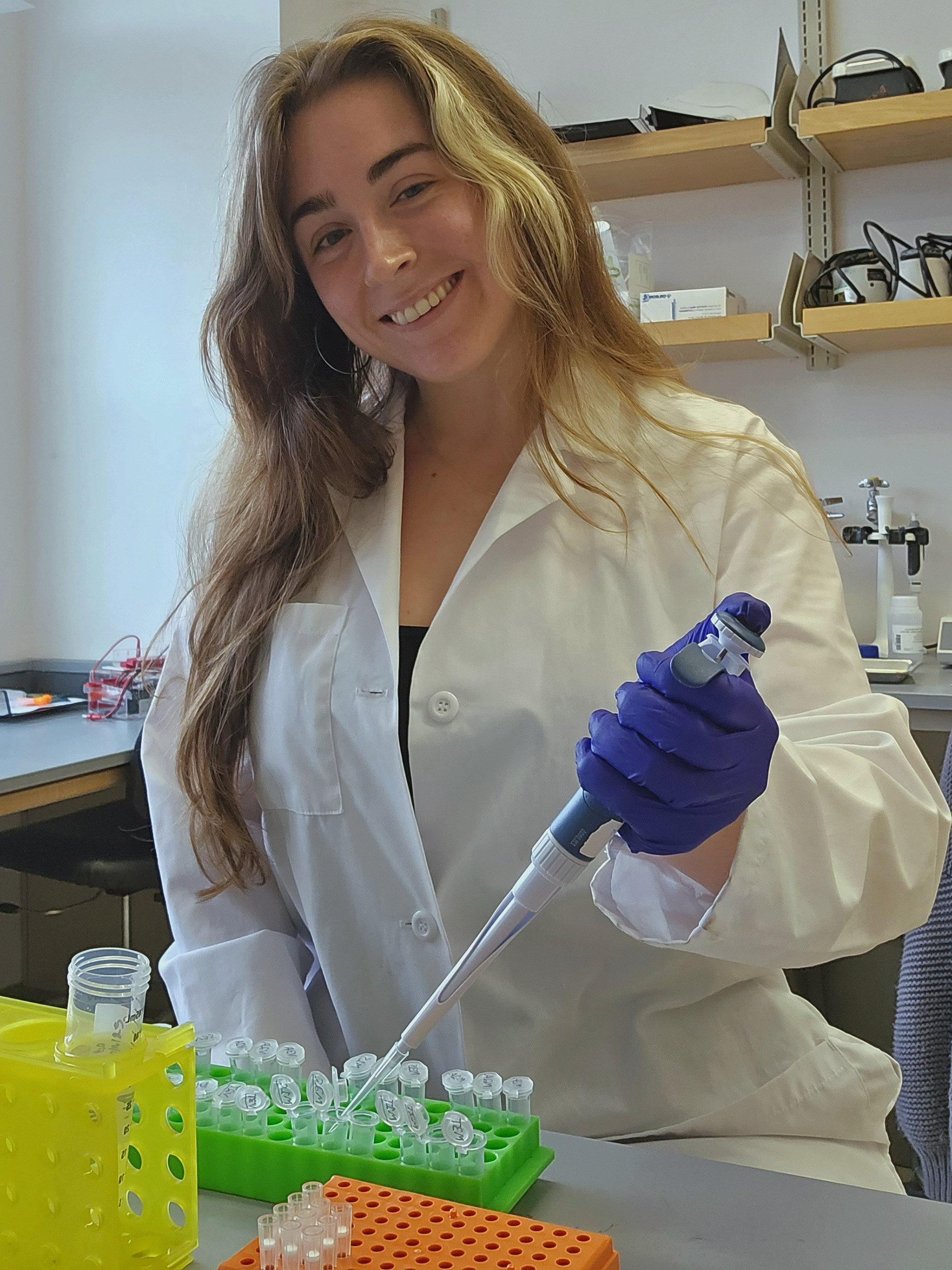
A graduate student at Clemson University has made significant strides in the development of a nanotechnology-based therapy aimed at treating atherosclerosis, a major contributor to cardiovascular disease and a leading cause of death worldwide. Ally Brawner, who is set to graduate with her master’s degree on December 18, 2023, is working on a groundbreaking approach that could transform how medical professionals address this life-threatening condition.
Atherosclerosis occurs when cholesterol builds up in the arterial walls, leading to plaque formation that restricts blood flow and increases the risk of heart attacks and strokes. According to the Centers for Disease Control and Prevention, the financial burden of cardiovascular disease in the United States is approximately $400 billion annually, much of which is spent on medications like statins. Despite this, many patients continue to suffer severe health consequences from the disease.
Brawner’s research focuses on utilizing polymersomes, engineered nanoparticles designed to deliver therapeutic plasmid DNA directly to arterial cells impacted by atherosclerosis. These particles are specially coated to target inflamed blood vessel cells, effectively addressing the root causes of plaque formation.
“This therapy doesn’t just lower LDL cholesterol like statins do,” Brawner explained. “It helps clear cholesterol from the vascular system, targeting the problem where it starts.” By turning off the miR-33a-5p switch, the therapy enhances the production of a protein called ABCA1, which aids in cholesterol removal from cells. The cholesterol then joins HDL, often referred to as good cholesterol, facilitating its transport to the liver for breakdown.
Innovative Research and Promising Results
Brawner’s journey began when she transferred to Clemson University to pursue a degree in plant and environmental sciences. She later transitioned into the food, nutrition, and packaging sciences program, where her current research is taking shape under the mentorship of Alexis Stamatikos, an associate professor.
The development of a delivery system for the nanoparticles presented numerous challenges. The addition of a special “address label” to the nanoparticles occasionally caused them to clump together, hindering their effectiveness. Brawner’s perseverance in refining the design has yielded promising outcomes. “We were surprised by the results,” she stated. “Our optimized polymersomes significantly reduced miR-33a-5p expression and increased ABCA1 mRNA levels. It was very encouraging.”
The implications of this research extend beyond individual treatment. Brawner’s therapy holds the potential to serve as a preventive measure for individuals at risk of developing atherosclerosis, potentially decades before symptoms manifest.
Future Directions and Personal Aspirations
Before Brawner’s therapy can advance to human trials, her team must conduct further studies to evaluate how the treatment behaves within the body, including assessments of dosage, serum stability, and safety. “Drug development is a long process,” she noted. “But every step brings us closer to a potential solution.”
Brawner’s work is rooted in a passion for science and a commitment to improving human health. “This work combines nutrition, disease pathology, and bioengineering,” she remarked. “It never gets boring. I love the challenge of applying benchtop science to real-world problems.”
Stamatikos, who regards Brawner as an exemplary graduate student, highlights her enthusiasm and dedication. “Ally is knowledgeable, passionate, and hardworking,” he said. “Her future is bright, whether she chooses to stay in academia or pursue opportunities in industry after completing her doctoral studies.”
As Brawner looks to the future, she aims to continue her research career, focusing on advancing health outcomes through innovative scientific solutions. “I feel like I’m living a dream,” she expressed. “To be doing nutrition, drug development, and bioengineering is incredible.”
This research not only promises to provide new treatment options for those suffering from atherosclerosis but could also reshape the future landscape of cardiovascular health management.

Urgent: 28 Dogs Rescued from Cruel Conditions in Windsor

OpenAI CEO Sam Altman Declares He Can’t Parent Without ChatGPT

Verdigris Falls to Holland Hall: First-Round Playoff Defeat

Judge Approves Release of Epstein Case Records in Landmark Ruling

Research Team Analyzes Hydration Impact at Boston Marathon

49ers Aim for Playoffs: Key Strategy to Secure NFC’s Top Seed

Bali Arrests Sex Worker Bonnie Blue and Associates in Police Raid

Barista of the Year: How One Employee Stands Out at Biggby

Iconic Game Show ‘The Wheel’ Launches Live Performances in Sarasota

Ohio State Study Uncovers Brain Connectivity and Function Links

Hamas Chief Stresses Disarmament Tied to Occupation’s End

University of Hawaiʻi Joins $25.6M AI Project for Disaster Monitoring

Megan Thee Stallion Exposes Alleged Online Attack by Bots

ALMA Discovers Companion Orbiting Giant Star π 1 Gruis

Researchers Challenge 200-Year-Old Physics Principle with Atomic Engines

Paloma Elsesser Shines at LA Event with Iconic Slicked-Back Bun

FDA Unveils Plan to Cut Drug Prices and Boost Biosimilars

Motley Fool Wealth Management Reduces Medtronic Holdings by 14.7%
-
 Science1 month ago
Ohio State Study Uncovers Brain Connectivity and Function Links
-
 Politics1 month ago
Hamas Chief Stresses Disarmament Tied to Occupation’s End
-
Science1 month ago
University of Hawaiʻi Joins $25.6M AI Project for Disaster Monitoring
-
 Entertainment1 month ago
Megan Thee Stallion Exposes Alleged Online Attack by Bots
-
 Science4 weeks ago
ALMA Discovers Companion Orbiting Giant Star π 1 Gruis
-
 Science2 months ago
Researchers Challenge 200-Year-Old Physics Principle with Atomic Engines
-
 Entertainment1 month ago
Paloma Elsesser Shines at LA Event with Iconic Slicked-Back Bun
-
 World1 month ago
FDA Unveils Plan to Cut Drug Prices and Boost Biosimilars
-
 Business1 month ago
Motley Fool Wealth Management Reduces Medtronic Holdings by 14.7%
-

 Top Stories1 month ago
Federal Agents Detain Driver in Addison; Protests Erupt Immediately
-

 Entertainment1 month ago
Beloved Artist and Community Leader Gloria Rosencrants Passes Away
-

 Science2 months ago
Innovator Captures Light at 2 Billion Frames Per Second