
Science
Stanford Scientists Pioneer Type 1 Diabetes Reversal in Mice

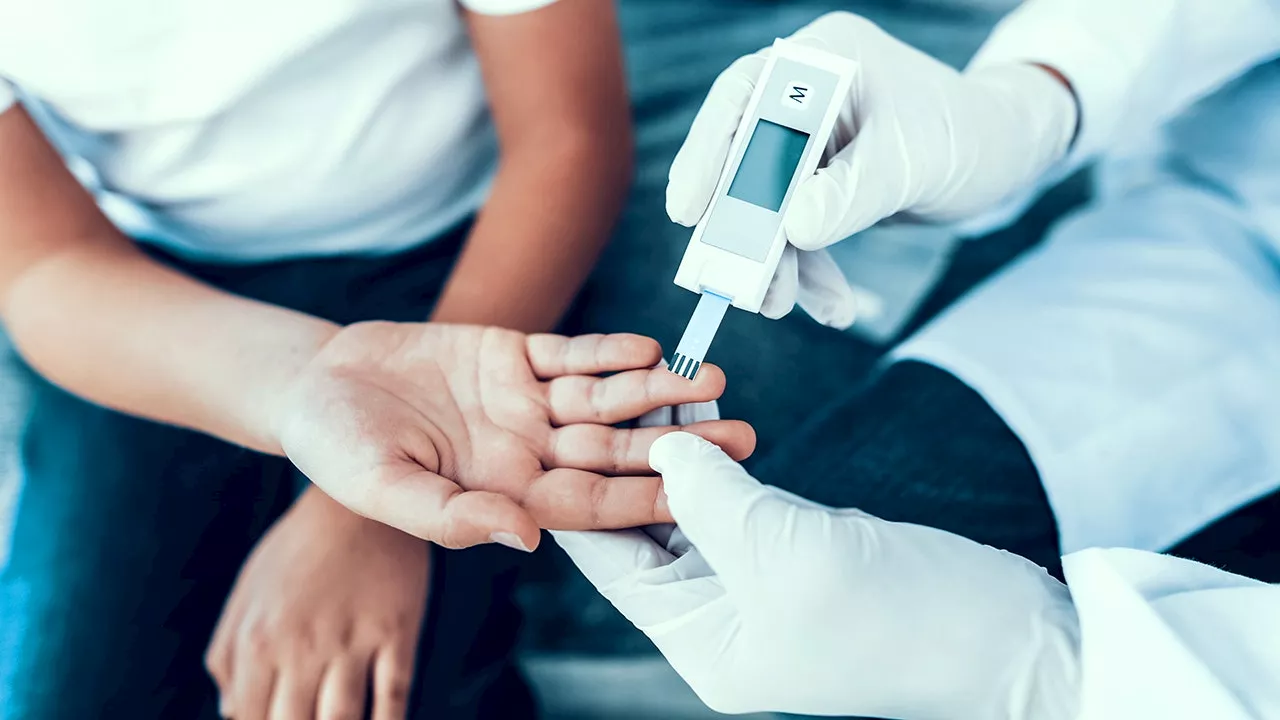
Research conducted at the Stanford School of Medicine has led to a remarkable breakthrough in the potential treatment for type 1 diabetes. Scientists successfully reversed the disease in a study involving mice, achieving a complete cure in all test subjects. This innovative approach centers around resetting the immune system and creating new insulin-producing cells, offering hope for future human applications.
The study, published in the Journal of Clinical Investigation, utilized a multi-faceted strategy that included a conditioning treatment combined with stem cell transplantation. Researchers first treated a group of 19 pre-diabetic mice with a non-toxic regimen designed to prepare their immune systems. This involved using low doses of radiation along with specialized antibodies aimed at reducing the activity of certain immune cells known as T-cells. The intention behind this conditioning was to create a less reactive immune environment, facilitating the testing of new therapeutic strategies.
Following the conditioning phase, the mice received stem cell transplants sourced from the bone marrow of other mice. In addition, donor islet cells, which are crucial for insulin production, were introduced. This process aimed to establish a state of ‘mixed chimerism,’ where the recipient mice would possess a mix of their own cells and those from the donors. This innovative method successfully prevented the onset of diabetes in all pre-diabetic mice tested.
Transformative Potential for Established Cases
Building on their success with pre-diabetic subjects, the researchers extended their investigation to include nine mice that had already developed long-term type 1 diabetes. Remarkably, this combination of stem cell and islet cell transplantation resulted in a complete resolution of diabetes in all subjects. The study reported no major side effects or significant immune depletion, which is critical for evaluating both the efficacy and safety of such treatments.
While the research remains confined to animal models and involves some radiation, the scientists are optimistic about the potential for translating these findings into human therapies. Their ‘gentler pre-conditioning approach’ could extend beyond diabetes, presenting viable treatment options for a variety of autoimmune diseases, including rheumatoid arthritis and lupus, as well as certain non-cancerous blood disorders like sickle cell anemia.
Dr. Seung K. Kim, a co-author of the study and professor at Stanford University, emphasized that the methodology could be “transformative” not only for individuals with type 1 diabetes but also for those requiring solid organ transplants. The research team’s focus on creating a hybrid immune system, combining donor and recipient cells, is already being applied in clinical settings for other medical conditions.
Future Directions and Personalized Medicine
Dr. Marc Siegel, a senior medical analyst at Fox News, commented on the findings, describing the work as “preliminary” but filled with significant promise for future human treatments. He noted that while the method shows potential, it will require adaptations based on genetic analysis and artificial intelligence to tailor interventions to individual patients and their unique autoimmune profiles.
Given the complexity of autoimmune diseases like type 1 diabetes, a personalized approach will be crucial. This strategy takes into account the individual variations in immune systems, which could lead to more effective and targeted therapies. The implications of this research could revolutionize the treatment of not only diabetes but a broader spectrum of autoimmune diseases, potentially changing the landscape of stem cell therapies.
The successful reversal of type 1 diabetes in mice marks a pivotal advancement, bringing the prospect of a human cure closer to reality. As research continues, the hope remains that these findings will lead to innovative and effective treatments for millions affected by autoimmune conditions worldwide.

Urgent Swatting Incident Ties Up Emergency Resources in Alabama

Urgent Tax Alert: Claim Your Deductions Before April 15!

Scientists Investigate Cosmic Defects: Where Are They Now?

Spring Bocce Leagues Open Registration in Rapid City

CALV Offers Essential Communication Class for Real Estate Pros

Samsung Galaxy Watch 9 Set for Larger 435mAh Battery Upgrade

Healthy Choice Wellness Reports Earnings, Stock Sees Uptick

Prince Harry Claims to Be ‘Antidote to Andrew’ Amid Royal Crisis

Pet Owners Weigh Kibble Against Fresh Dog Food Options

ALMA Discovers Companion Orbiting Giant Star π 1 Gruis

U.S. Visa Rescheduling Hits H‐1B Applicants as New Vetting Rules Take Effect

University of Hawaiʻi Joins $25.6M AI Project for Disaster Monitoring

F-22 Raptor vs. Su-57 Felon: A 2025 Fighter Jet Comparison

Ohio State Study Uncovers Brain Connectivity and Function Links

Recent Divorce Judgments from Iberia Parish Court Records

Prince Andrew Faces Fallout from Scandals and Allegations

Urgent: Flight Cancellations Loom at Texas Airports Amid Shutdown

Frank Dunn, Esteemed Builder and Community Leader, Passes Away at 89
-
 Science8 months ago
ALMA Discovers Companion Orbiting Giant Star π 1 Gruis
-
 Politics6 months ago
U.S. Visa Rescheduling Hits H‐1B Applicants as New Vetting Rules Take Effect
-
Science8 months ago
University of Hawaiʻi Joins $25.6M AI Project for Disaster Monitoring
-
 World8 months ago
F-22 Raptor vs. Su-57 Felon: A 2025 Fighter Jet Comparison
-
 Science9 months ago
Ohio State Study Uncovers Brain Connectivity and Function Links
-
 Politics8 months ago
Recent Divorce Judgments from Iberia Parish Court Records
-
 World8 months ago
Prince Andrew Faces Fallout from Scandals and Allegations
-
 Top Stories8 months ago
Urgent: Flight Cancellations Loom at Texas Airports Amid Shutdown
-
 Lifestyle8 months ago
Frank Dunn, Esteemed Builder and Community Leader, Passes Away at 89
-

 Business8 months ago
Appian Recognizes 2025 Partner Award Winners for Enterprise Innovation
-

 Entertainment6 months ago
Malachi Barton Tops Google Searches as Disney’s Rising Star of 2025
-

 Science9 months ago
Innovator Captures Light at 2 Billion Frames Per Second