
World
Venezuelan President Nicolás Maduro Survives Political Turmoil

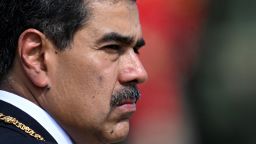
Nicolás Maduro, the President of Venezuela, has repeatedly defied expectations and predictions since he took office in 2013. Despite facing widespread ridicule, accusations of electoral fraud, and international isolation, Maduro has maintained his grip on power, becoming the longest-serving leader in Latin America. His presidency, however, has come at a significant cost to the Venezuelan people, who have endured a humanitarian crisis, severe economic decline, and mass emigration.
Maduro’s ascent to power was initially uncertain. After the death of his predecessor, Hugo Chávez, in December 2012, Maduro was chosen as his successor despite limited support within the United Socialist Party of Venezuela (PSUV). Chávez’s endorsement was crucial, as he directed that Maduro should lead the movement he created. This decision was made clear just hours before Chávez traveled to Cuba for treatment, where he would ultimately pass away. Maduro himself has stated that he did not anticipate becoming president, but he was prepared by Chávez for leadership.
In the years that followed, Maduro faced numerous challenges. His administration has been marked by significant social unrest, allegations of human rights violations, and economic collapse. Venezuela’s economy has shrunk by approximately 72% since 2013, according to the International Monetary Fund. The national oil company, PDVSA, which has historically been the backbone of the Venezuelan economy, has significantly declined due to mismanagement, corruption, and sanctions imposed by the United States.
Despite these adversities, Maduro’s administration has experienced a form of resilience. In the 2013 presidential election, he narrowly defeated opposition candidate Henrique Capriles by just 1.59%. This victory was marred by accusations of vote-rigging and electoral fraud, leading to ongoing disputes over the legitimacy of his government. Observers from various international organizations have criticized the electoral processes under Maduro, noting a consistent pattern of contested elections, state violence against dissent, and repression of opposition movements.
Maduro has cultivated strategic alliances to bolster his regime, particularly with Cuba. His relationship with the Cuban government has been pivotal, providing him with crucial support and resources. This bond has deep historical roots, dating back to the early days of Chávez’s presidency in 1999. Maduro’s role as foreign minister helped solidify this connection, allowing him to act as a liaison between the Venezuelan government and Cuban leadership. This partnership has been characterized by mutual support against perceived external threats, particularly from the United States.
The administration’s narrative has frequently emphasized anti-imperialism, presenting the U.S. as a principal adversary. This rhetoric has been employed to justify both domestic policies and the use of state power against opposition groups. Maduro has positioned himself as a defender of the Venezuelan people against foreign intervention, framing international sanctions as detrimental to the nation’s welfare. His government has responded to allegations of human rights abuses and economic mismanagement by asserting that these challenges are the result of external pressures rather than internal failings.
The humanitarian crisis in Venezuela has reached alarming levels, with the United Nations reporting significant violations of human rights and widespread suffering among the population. The International Criminal Court has initiated investigations into accusations of crimes against humanity, citing systematic abuses and state-sponsored violence against dissenters. These reports have highlighted arbitrary detentions, excessive use of force against protestors, and widespread poverty, with estimates suggesting that nearly 90% of the population now lives in poverty.
As Maduro confronts increasing military and diplomatic pressure from the United States, the future of his presidency remains uncertain. The Biden administration has continued the sanctions initiated under former President Donald Trump, maintaining a robust stance against Maduro’s regime. The current geopolitical landscape poses significant challenges, as even countries in the region, such as Colombia and Brazil, have refrained from recognizing the results of recent elections that ostensibly reaffirmed Maduro’s leadership.
The resilience and adaptability of Maduro’s administration have surprised many observers, yet the cost to Venezuelans has been profound. Millions have fled the country, with the crisis resulting in one of the largest displacement crises globally. As Maduro navigates these turbulent waters, questions about the sustainability of his regime and the potential for political change in Venezuela linger.
In conclusion, Nicolás Maduro’s presidency illustrates a complex interplay of power, resistance, and survival in the face of overwhelming odds. His ability to maintain authority amid severe challenges highlights a unique case of political endurance, yet the human toll of this persistence remains a critical issue as Venezuela continues to grapple with profound economic and social upheaval.

Grandmother Faces Daughter’s Strict Rules Over Grandson’s Care

ECB’s Rehn Urges Flexibility on Rates Amid Inflation Concerns

Anderson Silva Praises Jake Paul as a ‘Real Fighter’ Ahead of Fight

Australian Woman Fights for Life After Cosmetic Surgery in Vietnam

Amundi Expands Stake in Equitable Holdings with New Share Purchase

Yoon Kye Sang Investigates Explosions in New Episode of “Heroes Next Door”

Early Immunotherapy Administration Boosts Survival in Lung Cancer Patients

Discover Fun White Elephant Gifts Under $30 for Everyone

Must-Have White Elephant Gifts Under $30 for 2023 Parties

Ohio State Study Uncovers Brain Connectivity and Function Links

Hamas Chief Stresses Disarmament Tied to Occupation’s End

University of Hawaiʻi Joins $25.6M AI Project for Disaster Monitoring

Megan Thee Stallion Exposes Alleged Online Attack by Bots

ALMA Discovers Companion Orbiting Giant Star π 1 Gruis

Researchers Challenge 200-Year-Old Physics Principle with Atomic Engines

Paloma Elsesser Shines at LA Event with Iconic Slicked-Back Bun

FDA Unveils Plan to Cut Drug Prices and Boost Biosimilars

Federal Agents Detain Driver in Addison; Protests Erupt Immediately
-
 Science1 month ago
Ohio State Study Uncovers Brain Connectivity and Function Links
-
 Politics1 month ago
Hamas Chief Stresses Disarmament Tied to Occupation’s End
-
Science1 month ago
University of Hawaiʻi Joins $25.6M AI Project for Disaster Monitoring
-
 Entertainment1 month ago
Megan Thee Stallion Exposes Alleged Online Attack by Bots
-
 Science3 weeks ago
ALMA Discovers Companion Orbiting Giant Star π 1 Gruis
-
 Science2 months ago
Researchers Challenge 200-Year-Old Physics Principle with Atomic Engines
-
 Entertainment1 month ago
Paloma Elsesser Shines at LA Event with Iconic Slicked-Back Bun
-
 World1 month ago
FDA Unveils Plan to Cut Drug Prices and Boost Biosimilars
-
 Top Stories1 month ago
Federal Agents Detain Driver in Addison; Protests Erupt Immediately
-

 Entertainment1 month ago
Beloved Artist and Community Leader Gloria Rosencrants Passes Away
-

 Business1 month ago
Motley Fool Wealth Management Reduces Medtronic Holdings by 14.7%
-

 Politics2 months ago
NHP Foundation Secures Land for 158 Affordable Apartments in Denver