
World
U.S. Strengthens Trade Relations with Latin America to Counter China

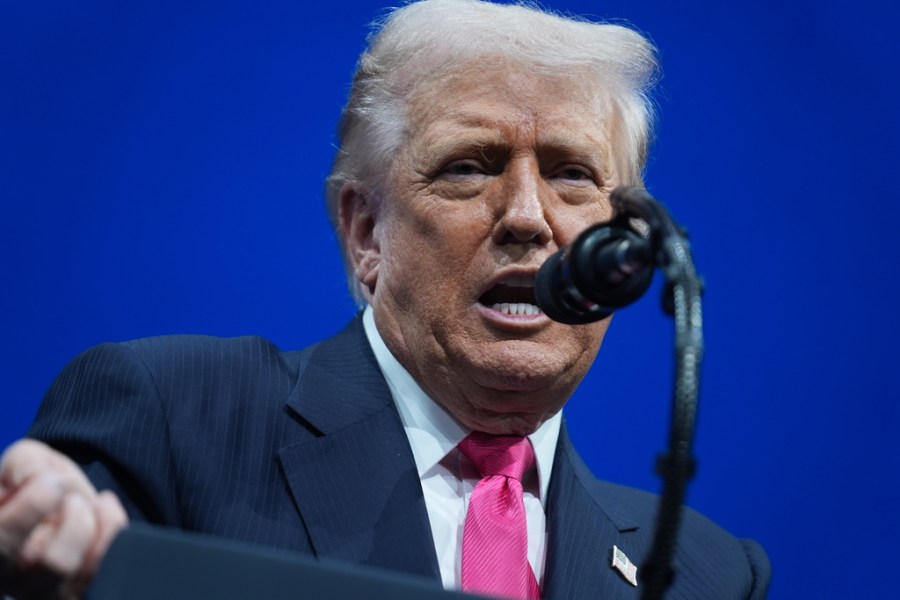
The United States is enhancing its trade and investment relationships with several Latin American countries, marking a significant shift in its foreign policy approach. This strategy aims to reduce reliance on China and bolster American influence in the region. The U.S. Department of Commerce announced initiatives designed to foster partnerships with nations such as Mexico, Brazil, Colombia, and Argentina.
Trade agreements and investment plans are at the center of this pivot. As of March 2024, the U.S. has committed approximately $1.5 billion to support various economic projects across these countries. The focus is on sectors like technology, agriculture, and renewable energy, areas where both American and Latin American interests align closely.
New Economic Partnerships Forming
The renewed interest in Latin America comes as the U.S. seeks to counterbalance China’s growing economic presence in the region. China’s investments in infrastructure and trade have expanded significantly over the last decade. In response, the U.S. aims to present itself as a viable alternative for countries looking to diversify their economic partnerships.
Officials from the U.S. Department of Commerce have highlighted the importance of these partnerships in addressing mutual challenges. Secretary of Commerce Gina Raimondo stated that “strengthening economic ties with our neighbors not only enhances our security but also creates jobs and opportunities for Americans and our partners in Latin America.”
This strategic alliance is expected to reshape the economic landscape of the Americas. By focusing on collaborative projects, the U.S. hopes to foster sustainable growth and stability in the region. For instance, bilateral agreements with Colombia are set to enhance agricultural exports, while partnerships with Brazil will focus on technology transfer and innovation.
Investments Focus on Key Sectors
The U.S. is particularly interested in sectors that promise long-term benefits. In Mexico, investments are earmarked for clean energy initiatives as the country looks to transition away from fossil fuels. Similarly, in Argentina, U.S. firms are exploring opportunities in the lithium sector, crucial for the production of batteries in electric vehicles.
Experts believe that these investments will not only deepen economic ties but also promote political stability. By engaging with Latin American nations, the U.S. is signaling its commitment to the region’s development and its willingness to serve as a strategic partner.
Moreover, this approach addresses concerns over supply chain vulnerabilities that were exposed during the pandemic. By fostering closer economic relationships with Latin America, U.S. businesses can seek alternative sources for critical materials.
The ongoing negotiations and agreements have garnered attention from various sectors, including financial institutions and multinational corporations. Many see this as a chance to invest in emerging markets that present growth potential while also aligning with U.S. strategic interests.
The evolving dynamics in Latin America represent a pivotal moment for U.S. foreign policy. As the region grapples with economic challenges, the U.S. is poised to play a crucial role in shaping its future. This pivot not only reflects economic imperatives but also a broader geopolitical strategy aimed at reinforcing American influence in a rapidly changing world.

Bitcoin Plummets to $87K Amid Tether Concerns – Urgent Update

Tottenville Falls to Erasmus Hall in PSAL 4A Championship, 34-27

Stanford Study Reveals Shark Teeth Clues to Prevent Extinction

Englewood Church Members Unite After Thanksgiving Fire Devastation

Researchers Urge Label Changes for Low-Alcohol Drinks to Protect Pregnant Women

Community Unites to Attempt World Record in Christmas Cookie Exchange

Agree Realty and American Assets Trust: A Comprehensive Investment Comparison

UK Universities Harness AI to Enhance Research Quality Assessment

Browns’ Mistakes Lead to 23rd Losing Season Since 1999

Ohio State Study Uncovers Brain Connectivity and Function Links

Hamas Chief Stresses Disarmament Tied to Occupation’s End

Megan Thee Stallion Exposes Alleged Online Attack by Bots

University of Hawaiʻi Joins $25.6M AI Project for Disaster Monitoring

Researchers Challenge 200-Year-Old Physics Principle with Atomic Engines

Paloma Elsesser Shines at LA Event with Iconic Slicked-Back Bun

FDA Unveils Plan to Cut Drug Prices and Boost Biosimilars

Federal Agents Detain Driver in Addison; Protests Erupt Immediately

Beloved Artist and Community Leader Gloria Rosencrants Passes Away
-
 Science1 month ago
Ohio State Study Uncovers Brain Connectivity and Function Links
-
 Politics1 month ago
Hamas Chief Stresses Disarmament Tied to Occupation’s End
-
 Entertainment1 month ago
Megan Thee Stallion Exposes Alleged Online Attack by Bots
-
Science4 weeks ago
University of Hawaiʻi Joins $25.6M AI Project for Disaster Monitoring
-
 Science2 months ago
Researchers Challenge 200-Year-Old Physics Principle with Atomic Engines
-
 Entertainment1 month ago
Paloma Elsesser Shines at LA Event with Iconic Slicked-Back Bun
-
 World1 month ago
FDA Unveils Plan to Cut Drug Prices and Boost Biosimilars
-
 Top Stories1 month ago
Federal Agents Detain Driver in Addison; Protests Erupt Immediately
-
 Entertainment1 month ago
Beloved Artist and Community Leader Gloria Rosencrants Passes Away
-

 Business1 month ago
Motley Fool Wealth Management Reduces Medtronic Holdings by 14.7%
-

 Politics1 month ago
NHP Foundation Secures Land for 158 Affordable Apartments in Denver
-

 Science2 weeks ago
ALMA Discovers Companion Orbiting Giant Star π 1 Gruis