
World
Nvidia’s AI Chips Face U.S. Security Review Before China Exports

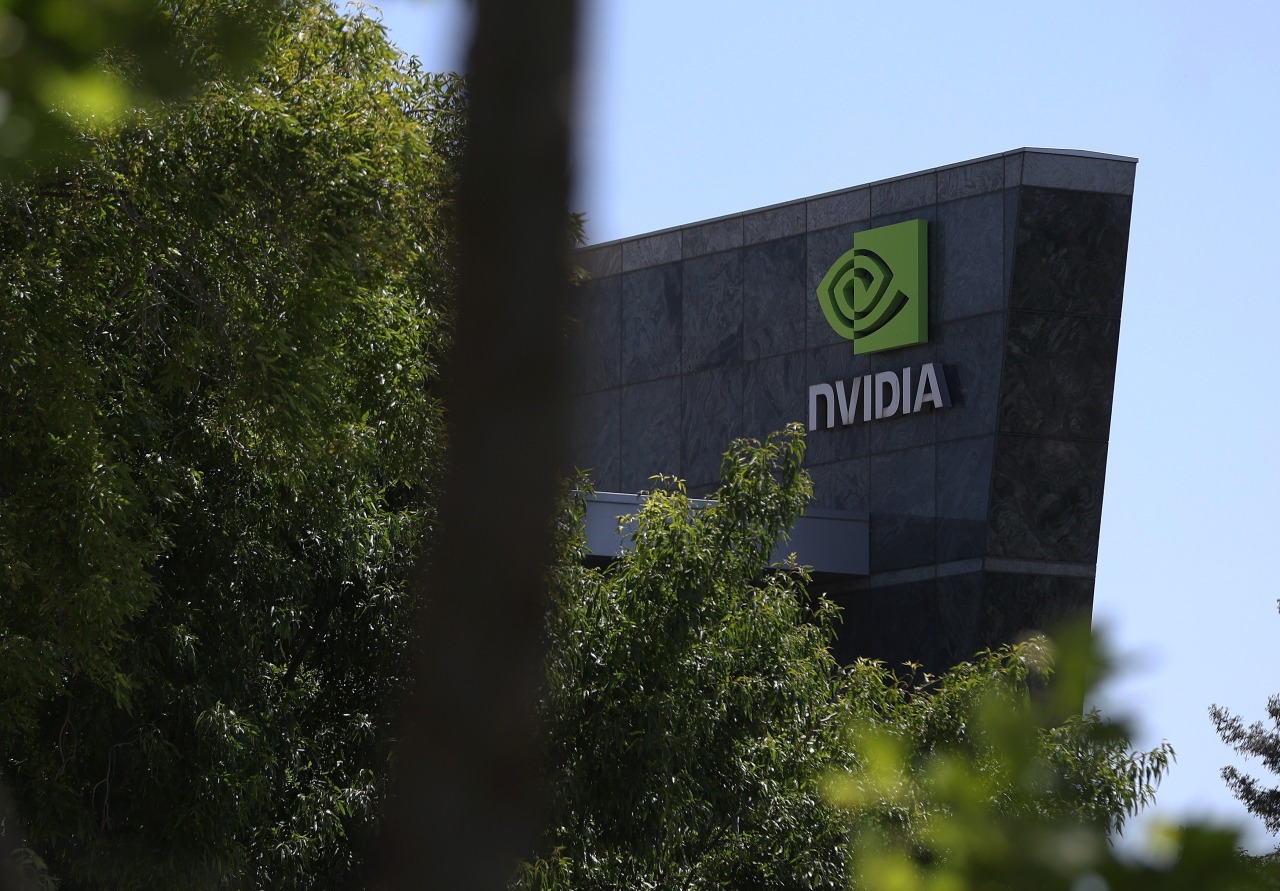
Nvidia’s AI chips are set to undergo an unusual security review by the U.S. government before any exportation to China. This review comes amid growing concerns regarding national security and technological dominance. The process aims to assess the potential risks associated with these advanced chips, which are integral to various applications, including artificial intelligence and machine learning.
The U.S. government is particularly focused on shipments involving chips manufactured in Taiwan. According to industry sources, the government could secure a significant financial interest, potentially receiving a 25% cut from sales generated through these exports. This move reflects a strategic effort to maintain control over critical technologies as geopolitical tensions continue to escalate.
Addressing Security Concerns
Nvidia, a leading player in the semiconductor industry, has been at the forefront of AI innovation. The company’s chips are crucial for numerous sectors, enhancing capabilities in data processing and analytics. The review process is designed to evaluate how these chips could be utilized in ways that may pose security threats, particularly in relation to China’s semiconductor ambitions.
According to reports from the Wall Street Journal, the U.S. government is particularly wary of the potential applications of these chips by Chinese companies, such as the Semiconductor Manufacturing International Corporation (SMIC). The focus on security reflects broader concerns about technology transfer and the implications for U.S. competitiveness in the global market.
The scrutiny of Nvidia’s chips is part of a larger trend where U.S. authorities are increasingly cautious about technology exports to China. This is evident in the ongoing tensions between the two countries, particularly in the tech sector. As of July 2023, the U.S. has implemented various restrictions on technology sales, aiming to curb China’s access to advanced technologies that could enhance its military capabilities.
Implications for the Semiconductor Industry
The review process could lead to delays in shipments, impacting Nvidia’s operations and revenue. Analysts predict that any prolonged scrutiny may affect Nvidia’s projected earnings, particularly as demand for AI technologies surges globally. The company reported revenues exceeding $25 billion in its latest fiscal year, with a significant portion attributed to its AI chip sales.
Furthermore, this situation underscores the fragility of international supply chains in the semiconductor industry. As companies navigate the complexities of compliance with U.S. regulations, the potential for disruptions grows. This is particularly true for firms in Taiwan, which play a critical role in the global semiconductor supply chain.
Nvidia’s proactive approach in dealing with government regulations will be crucial in determining its future growth trajectory. The company has historically worked closely with regulators to ensure compliance while advocating for its interests in the competitive semiconductor landscape.
As the situation unfolds, the implications for both Nvidia and the broader semiconductor industry remain significant. The balance between national security and technological advancement continues to challenge stakeholders in the global market.

Discover the Eyelash Growth Serum Transforming Beauty Routines

Time Names “Architects of AI” as 2025 Person of the Year

Homeland Security Secretary Noem Faces Intense Scrutiny Today

Absolute Joker Claims Batman’s Manor in Shocking Twist

Jason Collins Reveals Urgent Battle Against Stage 4 Glioblastoma

Ciena Surges with Strong Earnings Report and Upbeat Guidance

Healthcare Proposals Clash as Fed Cuts Interest Rates

Webb Telescope Discovers Oldest Supernova in Cosmic History

EU Investigates China’s Nuctech Over Foreign Subsidies

Ohio State Study Uncovers Brain Connectivity and Function Links

Hamas Chief Stresses Disarmament Tied to Occupation’s End

University of Hawaiʻi Joins $25.6M AI Project for Disaster Monitoring

Megan Thee Stallion Exposes Alleged Online Attack by Bots

ALMA Discovers Companion Orbiting Giant Star π 1 Gruis

Researchers Challenge 200-Year-Old Physics Principle with Atomic Engines

Paloma Elsesser Shines at LA Event with Iconic Slicked-Back Bun

FDA Unveils Plan to Cut Drug Prices and Boost Biosimilars

Motley Fool Wealth Management Reduces Medtronic Holdings by 14.7%
-
 Science1 month ago
Ohio State Study Uncovers Brain Connectivity and Function Links
-
 Politics2 months ago
Hamas Chief Stresses Disarmament Tied to Occupation’s End
-
Science1 month ago
University of Hawaiʻi Joins $25.6M AI Project for Disaster Monitoring
-
 Entertainment1 month ago
Megan Thee Stallion Exposes Alleged Online Attack by Bots
-
 Science4 weeks ago
ALMA Discovers Companion Orbiting Giant Star π 1 Gruis
-
 Science2 months ago
Researchers Challenge 200-Year-Old Physics Principle with Atomic Engines
-
 Entertainment1 month ago
Paloma Elsesser Shines at LA Event with Iconic Slicked-Back Bun
-
 World1 month ago
FDA Unveils Plan to Cut Drug Prices and Boost Biosimilars
-
 Business1 month ago
Motley Fool Wealth Management Reduces Medtronic Holdings by 14.7%
-

 Top Stories2 months ago
Federal Agents Detain Driver in Addison; Protests Erupt Immediately
-

 Entertainment1 month ago
Beloved Artist and Community Leader Gloria Rosencrants Passes Away
-

 Science2 months ago
Innovator Captures Light at 2 Billion Frames Per Second