
World
Neglected Research on TBI Affects Special Operations Forces

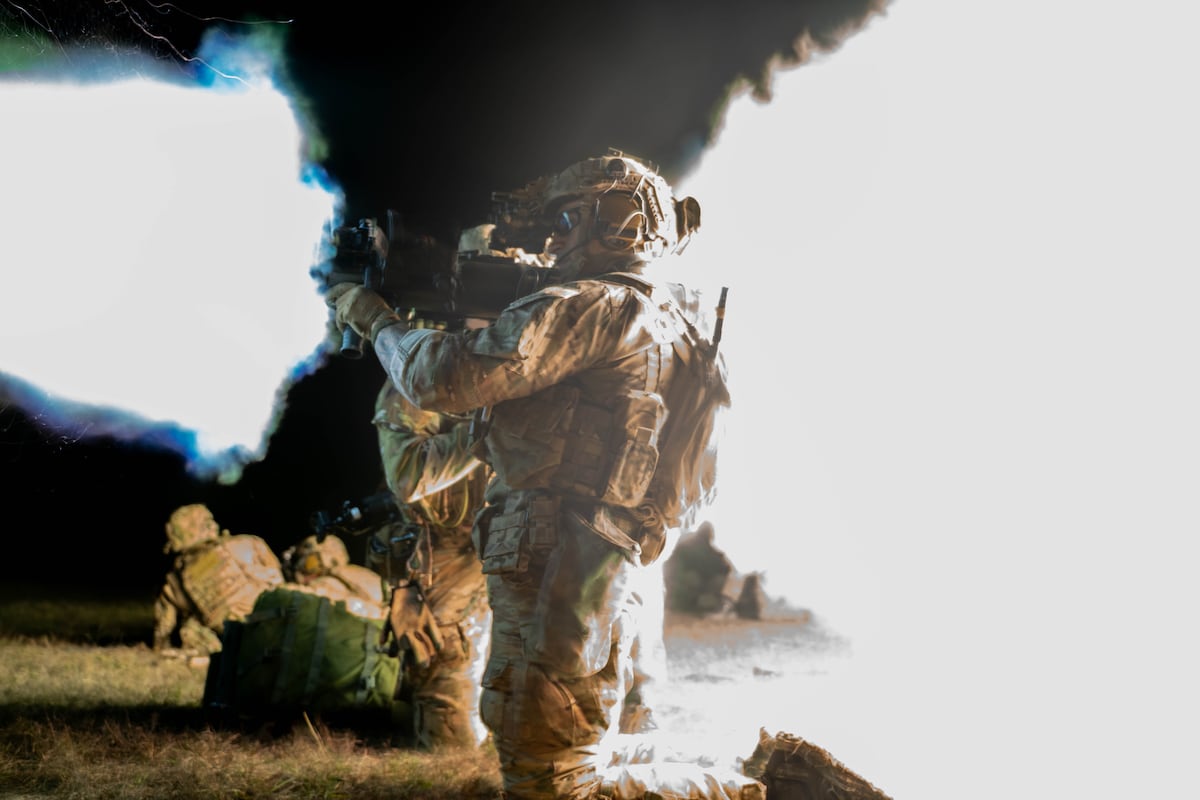
Research into traumatic brain injuries (TBI) has largely overlooked the specific effects on special operations forces (SOF), as highlighted in a recent study by the Rand Corporation. The report, released earlier this month, emphasizes that this elite group faces a significantly higher risk of exposure to blasts and TBI yet remains underrepresented in existing research.
According to the report, “There is limited research focused on TBI among SOF, although this population faces a higher risk of blast exposure and TBI.” The authors point out that special operations personnel encounter greater rates of blast exposure and repetitive neurological stress during both combat and training scenarios compared to their counterparts in other military branches.
Research Findings and Gaps
The Rand Corporation’s comprehensive review of TBI studies from 2015 to 2025 revealed that only seven out of 480 research papers focused solely on SOF. In contrast, Army and Marine Corps personnel were the most frequently studied groups, with 14 papers including SOF within mixed samples. The report also indicates that other military personnel, including airmen, sailors, National Guard troops, and reservists, have similarly been overlooked in TBI research, despite also facing high risks.
Since 2000, over 500,000 military personnel have been diagnosed with service-related TBI, according to data from the U.S. Department of Defense. The report estimates that more than $2.1 billion has been allocated for TBI research from federal and private sources since 2015.
Despite this investment, the report highlights several shortcomings in current research methodologies. It notes that existing studies tend to prioritize diagnosing TBI rather than investigating the specific conditions leading to it. For instance, correlations between injury and factors such as blast pressure, soldier positioning, or the source of the blast have not been sufficiently explored.
Additional findings from a 2024 study by the University of South Florida indicate that even low-level blast exposures are linked to signs of brain injury in special operations forces. This underscores the urgent need for targeted research in this area.
Challenges in TBI Research and Treatment
The report also identifies a division in TBI research between short-term and long-term impacts. Studies focusing on the short to medium term have primarily documented general neurological symptoms, while longer-term investigations have examined neurodegenerative conditions like Alzheimer’s disease, Parkinson’s disease, and chronic traumatic encephalopathy (CTE). There is a notable lack of attention paid to sub-concussive and penetrating TBIs and the relationships between injury characteristics and clinical outcomes.
While some research has explored the comorbidity of TBI with conditions such as post-traumatic stress disorder (PTSD) and sleep disorders, other critical areas, including the links between TBI, substance abuse, and sensory impairments, remain under-researched. Moreover, the report highlights the scarcity of long-term rehabilitation strategies for TBI victims, which leaves patients with limited evidence-based recovery options.
Despite these gaps, the report acknowledges that a decade of research has yielded significant advancements in understanding military-related TBI. Noteworthy progress has been made in imaging techniques, biomarker identification, and understanding the comorbidities associated with TBI, including PTSD and depression.
The report concludes with a call for further research, stating, “Doing so is not simply a matter of scientific advancement.” It emphasizes that advancing knowledge in this field is essential for enhancing prevention, refining diagnoses, improving treatment, and strengthening long-term recovery efforts. This is crucial to ensuring that service members and veterans receive the care and support they rightfully deserve.

South Korea Launches Urgent FX Oversight Measures to Stabilize Market

Marjorie Taylor Greene Resigns: Urgent Warning for GOP Control

New York Gaming Board Set to Award Casino Licenses Monday

Meta Negotiates Multibillion-Dollar Deal for Google’s AI Chips

Alexander Skarsgård Shines at 2025 British Independent Film Awards

Republicans Face Deadline to Decide on Affordable Care Act Subsidies

Seattle Seahawks’ Jaxon Smith-Njigba Eyes Historic 2,000-Yard Season

Officials Condemn NYPD’s Heavy Response to Chinatown Protest

Scientists Investigate Potential First Exomoon Around HD 206893 B

Ohio State Study Uncovers Brain Connectivity and Function Links

Hamas Chief Stresses Disarmament Tied to Occupation’s End

Megan Thee Stallion Exposes Alleged Online Attack by Bots

University of Hawaiʻi Joins $25.6M AI Project for Disaster Monitoring

Researchers Challenge 200-Year-Old Physics Principle with Atomic Engines

Paloma Elsesser Shines at LA Event with Iconic Slicked-Back Bun

FDA Unveils Plan to Cut Drug Prices and Boost Biosimilars

Federal Agents Detain Driver in Addison; Protests Erupt Immediately

Motley Fool Wealth Management Reduces Medtronic Holdings by 14.7%
-
 Science1 month ago
Ohio State Study Uncovers Brain Connectivity and Function Links
-
 Politics1 month ago
Hamas Chief Stresses Disarmament Tied to Occupation’s End
-
 Entertainment1 month ago
Megan Thee Stallion Exposes Alleged Online Attack by Bots
-
Science4 weeks ago
University of Hawaiʻi Joins $25.6M AI Project for Disaster Monitoring
-
 Science2 months ago
Researchers Challenge 200-Year-Old Physics Principle with Atomic Engines
-
 Entertainment1 month ago
Paloma Elsesser Shines at LA Event with Iconic Slicked-Back Bun
-
 World1 month ago
FDA Unveils Plan to Cut Drug Prices and Boost Biosimilars
-
 Top Stories1 month ago
Federal Agents Detain Driver in Addison; Protests Erupt Immediately
-
 Business1 month ago
Motley Fool Wealth Management Reduces Medtronic Holdings by 14.7%
-

 Entertainment1 month ago
Beloved Artist and Community Leader Gloria Rosencrants Passes Away
-

 Politics1 month ago
NHP Foundation Secures Land for 158 Affordable Apartments in Denver
-

 Science2 weeks ago
ALMA Discovers Companion Orbiting Giant Star π 1 Gruis