
World
MP Demands Nationwide Ban on Toxic Biobeads After Spill

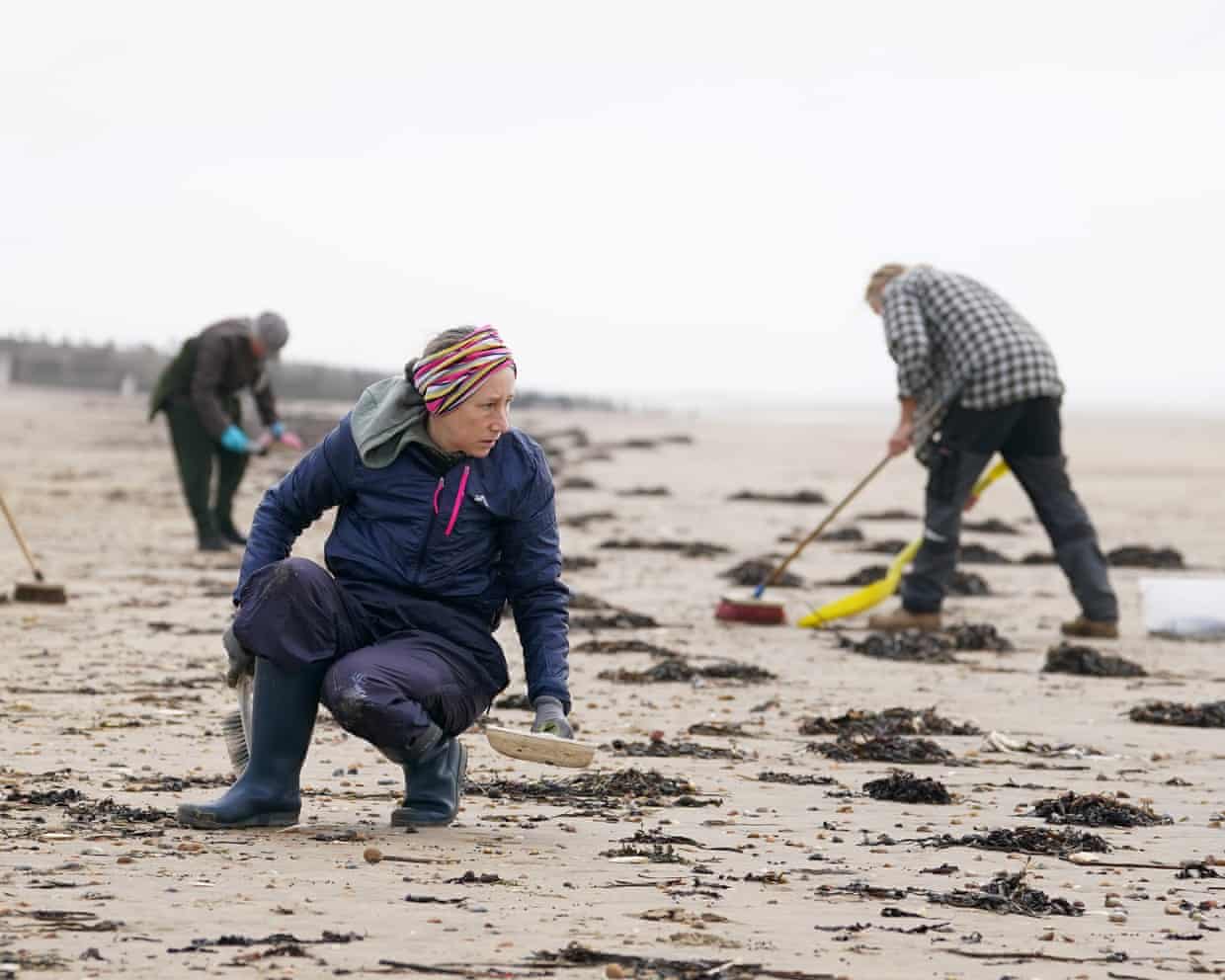
A significant environmental incident occurred last month when a failure at a Southern Water sewage treatment facility caused a spill of toxic plastic beads, known as biobeads, at Camber Sands beach in East Sussex. This event has led to widespread calls for a nationwide ban on the use of these harmful materials in wastewater treatment.
Helena Dollimore, the local Labour Member of Parliament for Hastings and Rye, is spearheading a campaign with the support of wildlife experts and conservationists to eliminate the use of biobeads across the country. The spill resulted in hundreds of millions of these beads washing ashore, alarming both local residents and environmental advocates due to their potential threat to wildlife and the unsightly appearance they create on the beach.
Recent testing conducted by scientists at Kings’ College London revealed that the biobeads contain heavy metals, including lead and arsenic. This finding raises serious concerns about the environmental impact of these materials. The beads, which are primarily used to promote the growth of biofilm in wastewater treatment processes, are known to attract algae, making them appealing yet hazardous to marine life.
Dollimore emphasized the outdated nature of this technology, stating, “A month ago, I wasn’t aware that these plastic beads were used in local wastewater plants until 320 million washed up on our beaches and nature reserve, causing an environmental catastrophe. The use of beads is an outdated technology, and better modern methods exist. So why are water companies still using them in coastal plants – the very place they could do the most damage? We’re calling for them to bin the beads.”
Environmental Impact and Calls for Action
The spill’s fallout has prompted local wildlife organizations to take action. Campaigners will gather at Rye Harbour nature reserve, an internationally significant habitat for rare wading birds, to advocate for the permanent ban of biobeads. Research from the Guardian found that at least 15 wastewater treatment facilities in the south and south-west of England still utilize these beads. Most of these facilities were built in the 1990s and early 2000s and rely on billions of floating plastic beads to filter and purify water.
The beads contain a high number of polycyclic aromatic hydrocarbons, which are linked to cancer. Their small size makes them easily ingested by birds, as they resemble food sources such as seeds found in the muddy flats of the reserve. Henri Brocklebank, the director of conservation at Sussex Wildlife Trust, remarked, “Rye Harbour nature reserve is internationally important for its birds, with species traveling thousands of miles to feed and breed here. Biobeads are small and buoyant, not dissimilar to many of the food items these birds are searching for.”
The Wildlife Trust continues to face challenges in removing the biobeads from fragile habitats, as they have become embedded in areas like saltmarshes and shingle. The trust has announced plans to conduct autopsies on dead birds found in the area to determine if the beads contributed to their deaths.
Regulatory Response and Future Steps
In light of the incident, Emma Hardy, the water minister, has reached out to water companies to assess the extent of biobead usage in their operations. The Environment Agency is also investigating Southern Water’s role in the spill. In response to the incident, Southern Water issued an apology but noted that it could not comment on third-party testing results.
Conservationists and local leaders call for immediate action to prevent future spills and protect the environment. The message is clear: the technology behind biobeads must evolve. There are modern alternatives available, including methods utilizing electric currents and fixed surfaces made of ceramic or concrete, which are less harmful to the environment.
As communities rally for change, the hope is that the catastrophic spill at Camber Sands will serve as a turning point in the fight against plastic pollution in wastewater treatment processes.

Mrs. Claus for a Cause Returns to Montrose: Free Event Dec. 19-21

Putin Offers Security Guarantees for Ukraine in Urgent Talks

Ukraine Proposes Peace Plan to Trump as Tensions Over Territory Persist

Unemployment Claims Rise to 236,000 as Continuing Benefits Decline

Absolute Joker Takes Over Batman’s Iconic Life in Shocking Twist

Discover the Eyelash Growth Serum Transforming Beauty Routines

Time Names “Architects of AI” as 2025 Person of the Year

Homeland Security Secretary Noem Faces Intense Scrutiny Today

Absolute Joker Claims Batman’s Manor in Shocking Twist

Ohio State Study Uncovers Brain Connectivity and Function Links

Hamas Chief Stresses Disarmament Tied to Occupation’s End

University of Hawaiʻi Joins $25.6M AI Project for Disaster Monitoring

Megan Thee Stallion Exposes Alleged Online Attack by Bots

ALMA Discovers Companion Orbiting Giant Star π 1 Gruis

Researchers Challenge 200-Year-Old Physics Principle with Atomic Engines

Paloma Elsesser Shines at LA Event with Iconic Slicked-Back Bun

FDA Unveils Plan to Cut Drug Prices and Boost Biosimilars

Motley Fool Wealth Management Reduces Medtronic Holdings by 14.7%
-
 Science1 month ago
Ohio State Study Uncovers Brain Connectivity and Function Links
-
 Politics2 months ago
Hamas Chief Stresses Disarmament Tied to Occupation’s End
-
Science1 month ago
University of Hawaiʻi Joins $25.6M AI Project for Disaster Monitoring
-
 Entertainment1 month ago
Megan Thee Stallion Exposes Alleged Online Attack by Bots
-
 Science4 weeks ago
ALMA Discovers Companion Orbiting Giant Star π 1 Gruis
-
 Science2 months ago
Researchers Challenge 200-Year-Old Physics Principle with Atomic Engines
-
 Entertainment1 month ago
Paloma Elsesser Shines at LA Event with Iconic Slicked-Back Bun
-
 World1 month ago
FDA Unveils Plan to Cut Drug Prices and Boost Biosimilars
-
 Business1 month ago
Motley Fool Wealth Management Reduces Medtronic Holdings by 14.7%
-

 Top Stories2 months ago
Federal Agents Detain Driver in Addison; Protests Erupt Immediately
-

 Entertainment1 month ago
Beloved Artist and Community Leader Gloria Rosencrants Passes Away
-

 Science2 months ago
Innovator Captures Light at 2 Billion Frames Per Second