
World
California Issues Alert Over Contaminated Wild Pig Meat

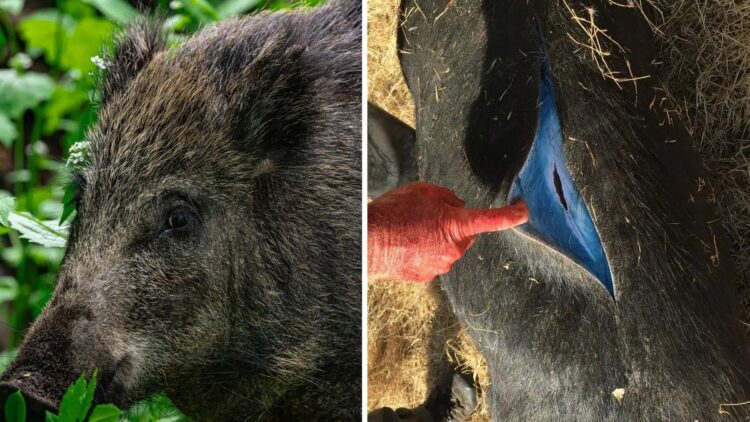
The California Department of Fish and Wildlife (CDFW) has issued a significant alert regarding the contamination of wild pig meat in Monterey County. This warning follows reports from hunters who discovered that the meat of these animals exhibited an alarming neon blue color, attributed to rodenticide poisoning.
Hunters in the area first noted the unusual coloration, prompting immediate concern. Dan Burton, owner of a wildlife control company, described the meat’s hue to Salvador Hernández of the Los Angeles Times, stating, “I’m not talking about a little blue. I’m talking about neon blue, blueberry blue.” Investigations by CDFW confirmed that the vibrant color results from the ingestion of rodenticides, specifically the anticoagulant known as Difacinona.
Understanding the Risks of Rodenticides
Ryan Bourbour, CDFW’s pesticide research coordinator, emphasized the broader implications of rodenticide use. He noted that “hunters should be aware that the meat of game animals, such as wild pigs, deer, bears, and geese, can be contaminated if that animal has been exposed to rodenticides.” The dangers extend beyond the immediate environment; both wildlife and humans who consume contaminated meat face serious health risks.
Difacinona, often employed in agricultural settings to control rodent populations, functions by causing severe internal bleeding in affected animals. The toxin disrupts the recycling of vitamin K, crucial for blood clotting. Even after an animal dies, traces of Difacinona can remain in its tissues, posing a risk to both predators and humans who might consume the meat.
Call for Caution and Regulation
The CDFW has urged pesticide applicators to exercise caution when using rodenticides. They recommend ensuring that wildlife is not present in application areas and using secure bait stations to prevent access by non-target species. This caution is vital in protecting both ecosystems and public health.
Concerns about the use of chemical pesticides are not new. Wildlife advocacy groups have long highlighted the detrimental effects on natural habitats and animal populations. Residues from rodenticides have been detected in various predator species, including raptors, mountain lions, and the endangered northern spotted owl. These findings underscore the urgent need for a reevaluation of pesticide use in wildlife management.
Moreover, the human health implications are significant. A recent study indicated that residues from the insecticide chlorpyrifos, known to cause neurological damage in children, were found in food sources. The study concluded that “the excessive and uncontrolled use of pesticides has led to contamination of food, as well as environmental, agricultural, and aquatic pollution.” Addressing the global challenges posed by pesticides requires coordinated efforts among nations.
In light of these findings, the CDFW continues to advocate for alternative pest management strategies that minimize harm to wildlife and human populations. The situation in Monterey County serves as a stark reminder of the potential consequences of relying on chemical pesticides in managing pest populations. As the community grapples with this troubling discovery, the focus remains on ensuring safe practices for both wildlife and public health.

Las Vegas Police Release Urgent Footage, FBI Offers $5,000 Reward

Chicago Board Approves $17.5M Settlement for Abuse Case NOW

Urgent: 31st HIV Case Confirmed in Penobscot County Outbreak

Recruit Holdings Shares Surge 9.9%: Is It Time to Invest?

Urine Test Revolutionizes Bladder Cancer Detection and Staging

Join the Annual Turkey Toss at Vanderbilt on December 16

California Issues Alert Over Contaminated Wild Pig Meat

Hovnanian Enterprises Reports Quarterly Loss, Misses EPS Expectations

Scientists Unveil Glasses-Free 3D Display System Enhanced by AI

Ohio State Study Uncovers Brain Connectivity and Function Links

Hamas Chief Stresses Disarmament Tied to Occupation’s End

University of Hawaiʻi Joins $25.6M AI Project for Disaster Monitoring

Megan Thee Stallion Exposes Alleged Online Attack by Bots

Researchers Challenge 200-Year-Old Physics Principle with Atomic Engines

Paloma Elsesser Shines at LA Event with Iconic Slicked-Back Bun

FDA Unveils Plan to Cut Drug Prices and Boost Biosimilars

Federal Agents Detain Driver in Addison; Protests Erupt Immediately

Motley Fool Wealth Management Reduces Medtronic Holdings by 14.7%
-
 Science1 month ago
Ohio State Study Uncovers Brain Connectivity and Function Links
-
 Politics1 month ago
Hamas Chief Stresses Disarmament Tied to Occupation’s End
-
Science1 month ago
University of Hawaiʻi Joins $25.6M AI Project for Disaster Monitoring
-
 Entertainment1 month ago
Megan Thee Stallion Exposes Alleged Online Attack by Bots
-
 Science2 months ago
Researchers Challenge 200-Year-Old Physics Principle with Atomic Engines
-
 Entertainment1 month ago
Paloma Elsesser Shines at LA Event with Iconic Slicked-Back Bun
-
 World1 month ago
FDA Unveils Plan to Cut Drug Prices and Boost Biosimilars
-
 Top Stories1 month ago
Federal Agents Detain Driver in Addison; Protests Erupt Immediately
-
 Business1 month ago
Motley Fool Wealth Management Reduces Medtronic Holdings by 14.7%
-

 Science3 weeks ago
ALMA Discovers Companion Orbiting Giant Star π 1 Gruis
-

 Entertainment1 month ago
Beloved Artist and Community Leader Gloria Rosencrants Passes Away
-

 Politics2 months ago
NHP Foundation Secures Land for 158 Affordable Apartments in Denver