
Top Stories
Scientists Uncover Mechanism Behind Lasting Memories in Urgent Study

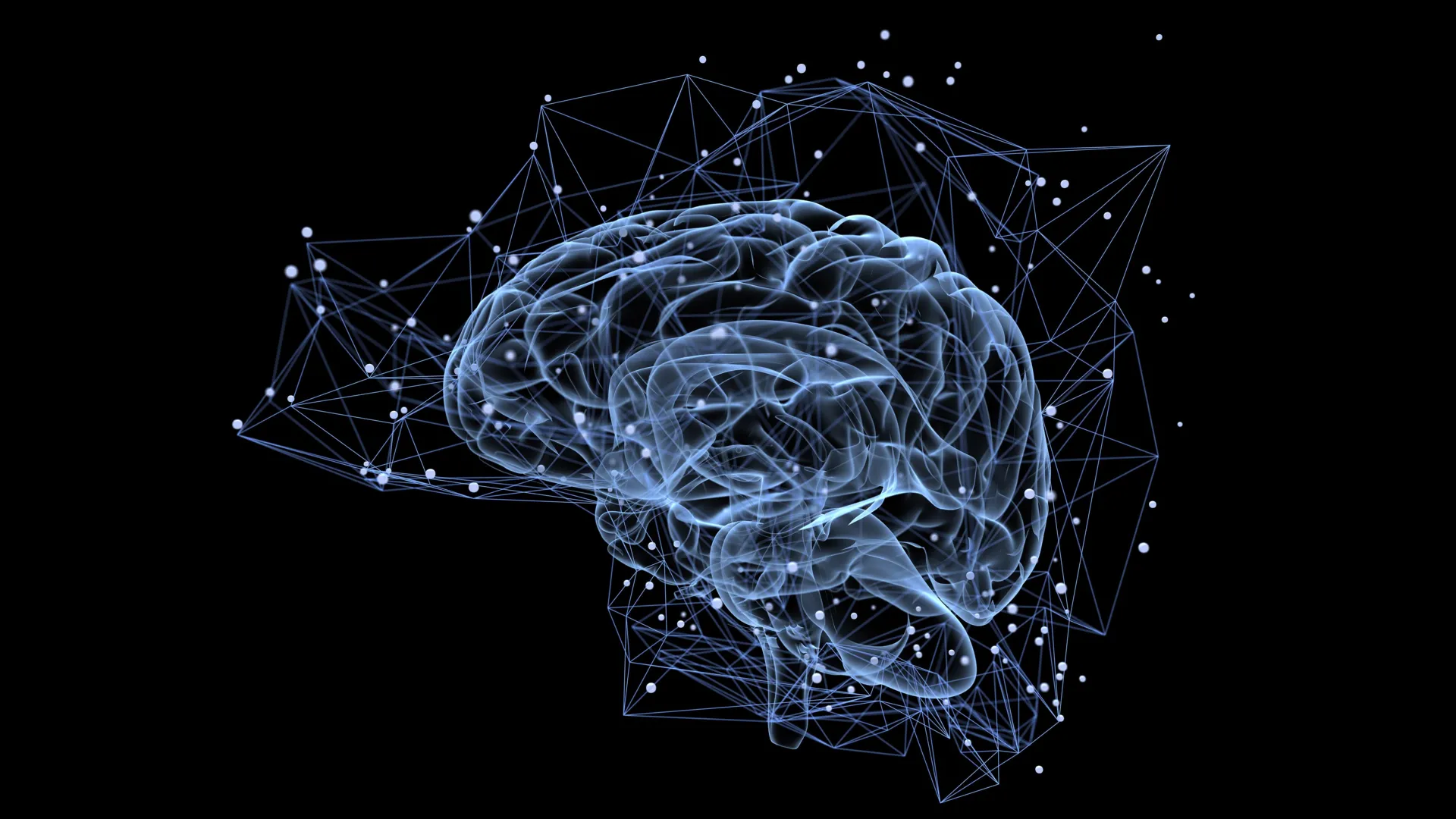
UPDATE: A groundbreaking study from Rockefeller University reveals critical insights into why some memories last a lifetime while others fade quickly. Researchers have identified a complex system of molecular timers that dictate how memories are formed and maintained, reshaping our understanding of memory stability and relevance.
Just announced on November 30, 2025, this urgent discovery details how the brain organizes memories through a coordinated pattern of molecular activity. By utilizing a virtual reality learning model in mice, scientists tracked brain activity to uncover the molecules responsible for memory persistence, highlighting the intricate processes behind memory storage.
This research is vital as it addresses a long-standing question in neuroscience: how does the brain decide which memories are worth keeping? The study, published in the prestigious journal Nature, indicates that memories are not merely switched on and off; rather, they evolve through multiple molecular interactions over time.
In a significant breakthrough, lead researcher Priya Rajasethupathy stated,
“What we choose to remember is a continuously evolving process rather than a one-time flipping of a switch.”
This finding emphasizes the dynamic nature of memory formation, suggesting that memories are subject to ongoing evaluation by the brain.
Traditionally, memories were thought to be managed primarily by the hippocampus for short-term storage and the cortex for long-term retention. However, this new study reveals that the thalamus plays a pivotal role in determining which memories are stabilized and for how long. The research team discovered that certain molecules, such as Camta1, Tcf4, and Ash1l, are essential for maintaining these memories, acting as molecular timers that manage the memory’s durability.
The urgency of this research extends beyond theoretical understanding. The implications are significant for tackling memory-related diseases, including Alzheimer’s. By decoding the mechanisms that preserve memory, scientists hope to develop strategies to reroute memory pathways around damaged areas of the brain.
Next, Rajasethupathy’s team plans to investigate how these molecular timers are activated and what factors determine their duration. Their ongoing research aims to clarify the thalamus’s role as a central hub in memory decision-making, indicating that our understanding of memory is just beginning to unfold.
As this research evolves, it holds the potential to transform therapeutic approaches for memory impairment and enhance our grasp of cognitive function. The scientific community and the public alike are urged to stay tuned for further developments in this exciting field. Share this groundbreaking news now and join the conversation about the future of memory science!

Rolette Record Transitions Ownership to Cando Editors

Bregman Seeks Debates with Haaland Ahead of Gubernatorial Primary

University of Arizona Researchers Uncover Key to Preventing Scar Tissue

Titans Maintain Lead in 2026 NFL Draft Race as Competition Heats Up

Delta Flight Diverts to Tokyo After Hydraulic Emergency

Rolette Record Sold to Cando Men, New Ownership Takes Charge

Urgent Fire Erupts at Oklahoma City Apartments, Residents Scared

Urgent: Arlene Hartman Passes Away at 87 in Telford

Urgent: Vehicle Fire Closes Lanes on I-215 in Salt Lake City

Ohio State Study Uncovers Brain Connectivity and Function Links

Hamas Chief Stresses Disarmament Tied to Occupation’s End

Megan Thee Stallion Exposes Alleged Online Attack by Bots

University of Hawaiʻi Joins $25.6M AI Project for Disaster Monitoring

Researchers Challenge 200-Year-Old Physics Principle with Atomic Engines

Paloma Elsesser Shines at LA Event with Iconic Slicked-Back Bun

FDA Unveils Plan to Cut Drug Prices and Boost Biosimilars

Federal Agents Detain Driver in Addison; Protests Erupt Immediately

Motley Fool Wealth Management Reduces Medtronic Holdings by 14.7%
-
 Science1 month ago
Ohio State Study Uncovers Brain Connectivity and Function Links
-
 Politics1 month ago
Hamas Chief Stresses Disarmament Tied to Occupation’s End
-
 Entertainment1 month ago
Megan Thee Stallion Exposes Alleged Online Attack by Bots
-
Science4 weeks ago
University of Hawaiʻi Joins $25.6M AI Project for Disaster Monitoring
-
 Science2 months ago
Researchers Challenge 200-Year-Old Physics Principle with Atomic Engines
-
 Entertainment1 month ago
Paloma Elsesser Shines at LA Event with Iconic Slicked-Back Bun
-
 World1 month ago
FDA Unveils Plan to Cut Drug Prices and Boost Biosimilars
-
 Top Stories1 month ago
Federal Agents Detain Driver in Addison; Protests Erupt Immediately
-
 Business1 month ago
Motley Fool Wealth Management Reduces Medtronic Holdings by 14.7%
-

 Entertainment1 month ago
Beloved Artist and Community Leader Gloria Rosencrants Passes Away
-

 Politics1 month ago
NHP Foundation Secures Land for 158 Affordable Apartments in Denver
-

 Science2 weeks ago
ALMA Discovers Companion Orbiting Giant Star π 1 Gruis