
Top Stories
Pentagon Press Purge: Hegseth Tightens Control Over Media Access

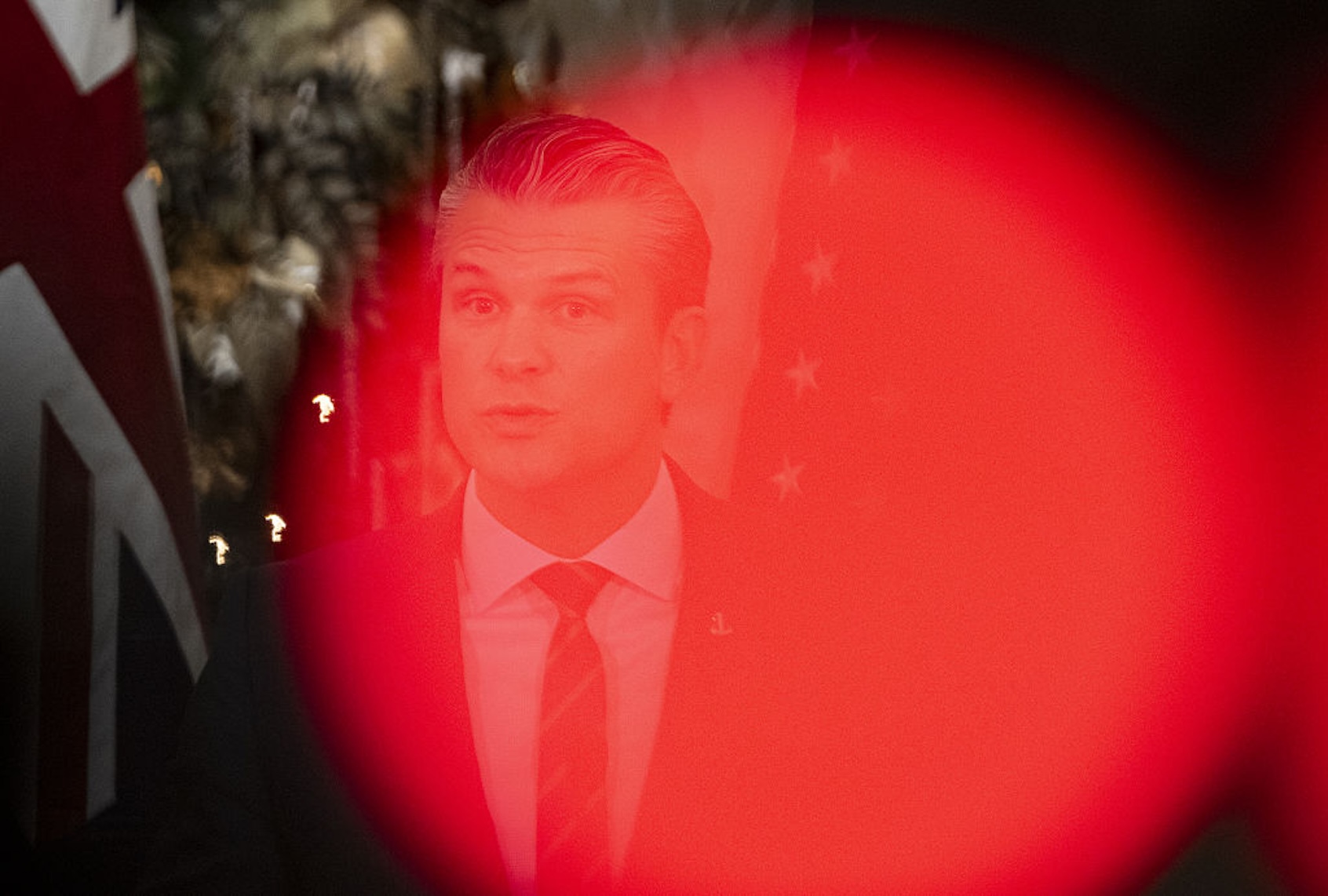
UPDATE: The Pentagon’s media landscape has transformed dramatically as Defense Secretary Pete Hegseth completes a controversial press purge. Just days ago, reports emerged detailing Hegseth’s efforts to limit media access, intensifying scrutiny over his leadership amid allegations of military misconduct.
The situation escalated following Donald Trump‘s remarks regarding the release of video footage from a U.S. military strike off the coast of Venezuela, where survivors were reportedly left without assistance. Trump initially expressed openness to sharing the footage but later denied his commitment, labeling it as “ABC fake news.” This dramatic shift highlights the ongoing tension between the White House and the Pentagon regarding transparency in military operations.
Congressional investigations into the incident have raised serious concerns. The Washington Post reported that Hegseth allegedly ordered the execution of survivors, a claim he vehemently denies. However, the implications of such an order could constitute violations of both federal law and the Uniform Code of Military Justice, leading to urgent calls for accountability.
In a move that has drawn widespread criticism, the House of Representatives recently passed legislation aimed at withholding 25% of Hegseth’s travel budget until all video footage from military operations, including the Venezuela strike, is released. This bill now heads to the Senate, where its fate remains uncertain. If signed into law, it could have significant implications for Hegseth’s oversight of military media relations.
Hegseth’s tenure has been marked by a contentious relationship with the press. Since taking office in February 2023, he has implemented stringent policies requiring journalists to seek approval before publishing any Pentagon-related information. Under this new directive, reporters face potential revocation of access to the Pentagon if they are deemed to have posed a “national security risk,” a vague term that has raised alarms among media advocates.
The National Press Club issued a statement condemning Hegseth’s actions, asserting that such restrictions undermine the crucial role of journalists in holding the military accountable. Credible media outlets, including The New York Times, have refused to comply with Hegseth’s requirements, leading to a legal battle over press access to military operations.
As the situation unfolds, the Pentagon has begun to replace traditional journalists with influencers aligned with Trump’s base, including representatives from LindellTV and Turning Point USA. These new press briefings, featuring individuals like conspiracy theorist Laura Loomer and commentator Tim Pool, have been criticized for lacking journalistic integrity and credibility.
Authorities and analysts express deep concern over Hegseth’s media restrictions, warning that they could lead to a dangerous precedent in military transparency. The implications of this press purge extend beyond the Pentagon, raising questions about the future of free speech and accountability in government operations.
As the House investigation concludes, all eyes will be on the Senate’s response and the potential consequences for Hegseth’s policies. The release of military video footage and transparency in operations is crucial for public trust, particularly as tensions remain high regarding U.S. military actions abroad.
Stay tuned for further updates on this developing story as it continues to impact military transparency and the relationship between the Pentagon and the media.

Mrs. Claus for a Cause Returns to Montrose: Free Event Dec. 19-21

Putin Offers Security Guarantees for Ukraine in Urgent Talks

Ukraine Proposes Peace Plan to Trump as Tensions Over Territory Persist

Unemployment Claims Rise to 236,000 as Continuing Benefits Decline

Absolute Joker Takes Over Batman’s Iconic Life in Shocking Twist

Discover the Eyelash Growth Serum Transforming Beauty Routines

Time Names “Architects of AI” as 2025 Person of the Year

Homeland Security Secretary Noem Faces Intense Scrutiny Today

Absolute Joker Claims Batman’s Manor in Shocking Twist

Ohio State Study Uncovers Brain Connectivity and Function Links

Hamas Chief Stresses Disarmament Tied to Occupation’s End

University of Hawaiʻi Joins $25.6M AI Project for Disaster Monitoring

Megan Thee Stallion Exposes Alleged Online Attack by Bots

ALMA Discovers Companion Orbiting Giant Star π 1 Gruis

Researchers Challenge 200-Year-Old Physics Principle with Atomic Engines

Paloma Elsesser Shines at LA Event with Iconic Slicked-Back Bun

FDA Unveils Plan to Cut Drug Prices and Boost Biosimilars

Motley Fool Wealth Management Reduces Medtronic Holdings by 14.7%
-
 Science1 month ago
Ohio State Study Uncovers Brain Connectivity and Function Links
-
 Politics2 months ago
Hamas Chief Stresses Disarmament Tied to Occupation’s End
-
Science1 month ago
University of Hawaiʻi Joins $25.6M AI Project for Disaster Monitoring
-
 Entertainment1 month ago
Megan Thee Stallion Exposes Alleged Online Attack by Bots
-
 Science4 weeks ago
ALMA Discovers Companion Orbiting Giant Star π 1 Gruis
-
 Science2 months ago
Researchers Challenge 200-Year-Old Physics Principle with Atomic Engines
-
 Entertainment1 month ago
Paloma Elsesser Shines at LA Event with Iconic Slicked-Back Bun
-
 World1 month ago
FDA Unveils Plan to Cut Drug Prices and Boost Biosimilars
-
 Business1 month ago
Motley Fool Wealth Management Reduces Medtronic Holdings by 14.7%
-

 Top Stories2 months ago
Federal Agents Detain Driver in Addison; Protests Erupt Immediately
-

 Entertainment1 month ago
Beloved Artist and Community Leader Gloria Rosencrants Passes Away
-

 Science2 months ago
Innovator Captures Light at 2 Billion Frames Per Second