
Top Stories
EU Freezes Russian Assets Indefinitely to Aid Ukraine, Urgent Move

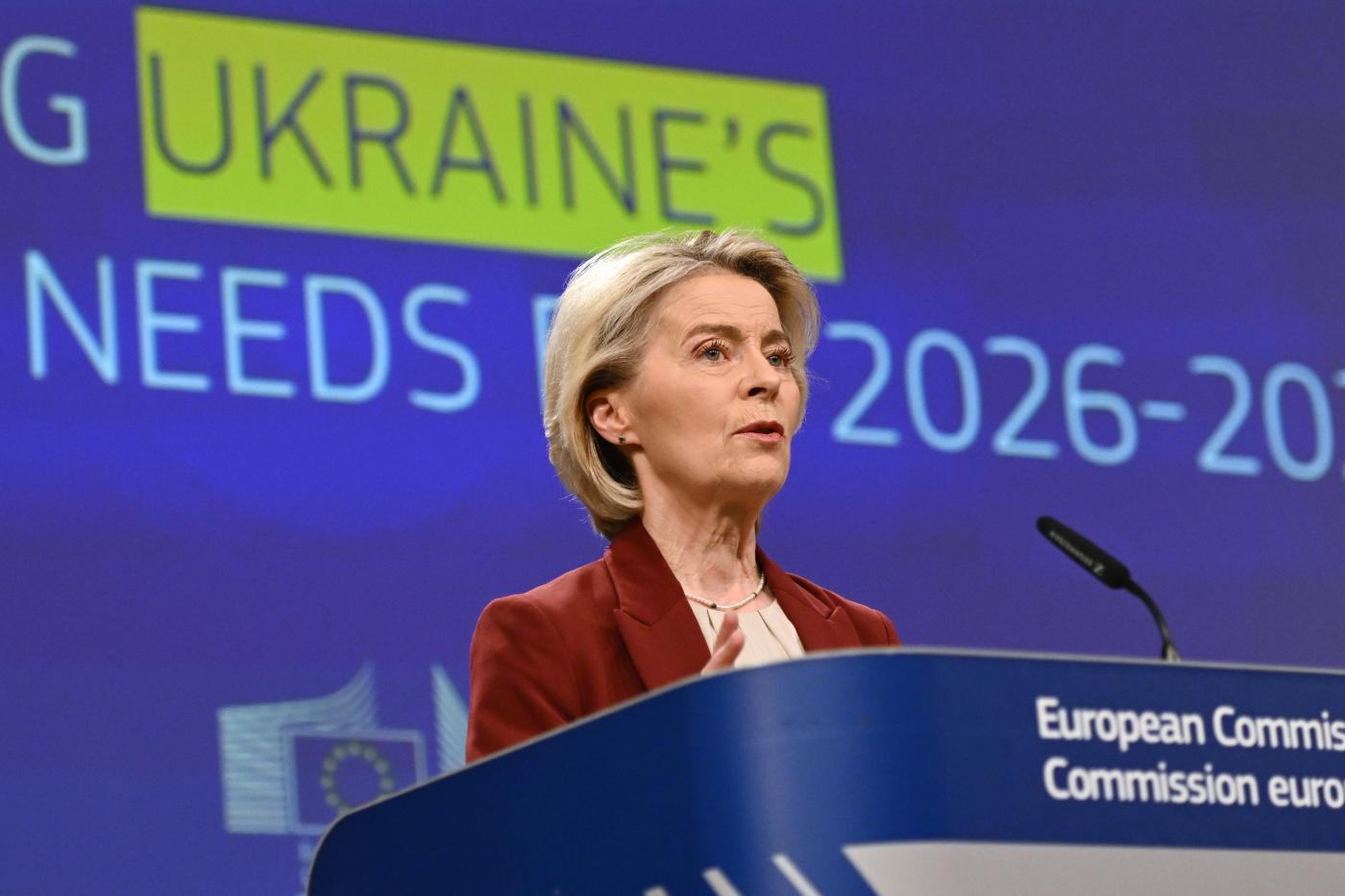
UPDATE: The European Union has just announced a critical decision to indefinitely freeze Russian assets across Europe. This urgent move, confirmed today, aims to prevent Hungary and Slovakia from vetoing the use of these funds to support Ukraine amid its ongoing conflict with Russia.
The EU’s decisive action comes as tensions escalate over financial support for Ukraine. With an estimated total of €210 billion ($247 billion) in Russian Central Bank assets now immobilized, European leaders will convene on December 18, 2025, to strategize how to utilize these funds for Ukraine’s pressing financial and military needs.
Why This Matters NOW: This unprecedented freeze is designed to ensure that Moscow-friendly governments in Hungary and Slovakia cannot obstruct EU efforts to aid Ukraine. EU Council President António Costa stated, “Today we delivered on our commitment” to keep Russian assets frozen until the war ends and reparations are made. This is a significant step in securing Ukraine’s financial stability as it continues to fight against Russian aggression.
The assets, primarily held in Euroclear, a Belgian financial clearing house, have been subject to sanctions since Russia’s invasion on February 24, 2022. By invoking a special EU procedure for economic emergencies, the bloc aims to safeguard its interests and facilitate the use of these funds without needing unanimous approval from all member states.
Hungary’s Prime Minister Viktor Orbán, a close ally of Russian President Vladimir Putin, has condemned the EU’s decision. He claimed that the Commission is “systematically raping European law” to prolong the war in Ukraine, emphasizing that Hungary will fight to restore what he calls “lawful order.”
In a parallel statement, Slovak Prime Minister Robert Fico expressed his opposition to covering Ukraine’s military expenses and warned that the use of frozen Russian assets could jeopardize U.S. peace efforts.
This development comes amidst rising costs in the EU, with the bloc having already allocated nearly €200 billion ($235 billion) to support Ukraine. The Commission argues that the ongoing war has severely affected energy prices and economic growth across Europe, necessitating additional measures to assist Ukraine.
As the situation evolves, the EU’s next steps will be closely watched. The upcoming summit on December 18 will focus on solidifying plans for the financial aid package and addressing the challenges posed by dissenting member states.
In a broader context, Russia’s Central Bank has filed a lawsuit against Euroclear, claiming damages from the inability to manage its assets. It has labeled the EU’s plans to use these assets for Ukraine as “illegal” and contrary to international law.
With the stakes higher than ever, the EU’s actions signal a determination to bolster Ukraine’s defense while navigating complex political dynamics within its own ranks. The global community will be keen to see how this unfolds in the coming days, as the implications of this freeze ripple through international relations and the ongoing conflict in Ukraine.

Maumee’s Mike Jacobs Returns Home for Emotional Football Match

Salvation Army Urgently Needs Toys for 400 Families This Christmas

Utah Predicted to Dominate Nebraska in Upcoming Bowl Matchup

Parent Charged with Murder After Deadly KSU Shooting

Urgent Police Response in Downtown Bellevue for Major Incident

Andy Dick Blames Fentanyl for Near-Overdose in Hollywood

Families Celebrate Holidays with Crafts at Cookies with Santa Event

Trump Faces Setback in Indiana Redistricting Vote

Tech Sector Decline Pulls US Stocks Lower; Dow Shows Resilience

Ohio State Study Uncovers Brain Connectivity and Function Links

Hamas Chief Stresses Disarmament Tied to Occupation’s End

University of Hawaiʻi Joins $25.6M AI Project for Disaster Monitoring

ALMA Discovers Companion Orbiting Giant Star π 1 Gruis

Megan Thee Stallion Exposes Alleged Online Attack by Bots

Researchers Challenge 200-Year-Old Physics Principle with Atomic Engines

Paloma Elsesser Shines at LA Event with Iconic Slicked-Back Bun

FDA Unveils Plan to Cut Drug Prices and Boost Biosimilars

Innovator Captures Light at 2 Billion Frames Per Second
-
 Science2 months ago
Ohio State Study Uncovers Brain Connectivity and Function Links
-
 Politics2 months ago
Hamas Chief Stresses Disarmament Tied to Occupation’s End
-
Science1 month ago
University of Hawaiʻi Joins $25.6M AI Project for Disaster Monitoring
-
 Science4 weeks ago
ALMA Discovers Companion Orbiting Giant Star π 1 Gruis
-
 Entertainment2 months ago
Megan Thee Stallion Exposes Alleged Online Attack by Bots
-
 Science2 months ago
Researchers Challenge 200-Year-Old Physics Principle with Atomic Engines
-
 Entertainment2 months ago
Paloma Elsesser Shines at LA Event with Iconic Slicked-Back Bun
-
 World1 month ago
FDA Unveils Plan to Cut Drug Prices and Boost Biosimilars
-
 Science2 months ago
Innovator Captures Light at 2 Billion Frames Per Second
-

 Business2 months ago
Motley Fool Wealth Management Reduces Medtronic Holdings by 14.7%
-

 Top Stories2 months ago
Federal Agents Detain Driver in Addison; Protests Erupt Immediately
-

 Entertainment1 month ago
Beloved Artist and Community Leader Gloria Rosencrants Passes Away