
Politics
Trust in Presidential Pardons Erodes as Controversy Grows

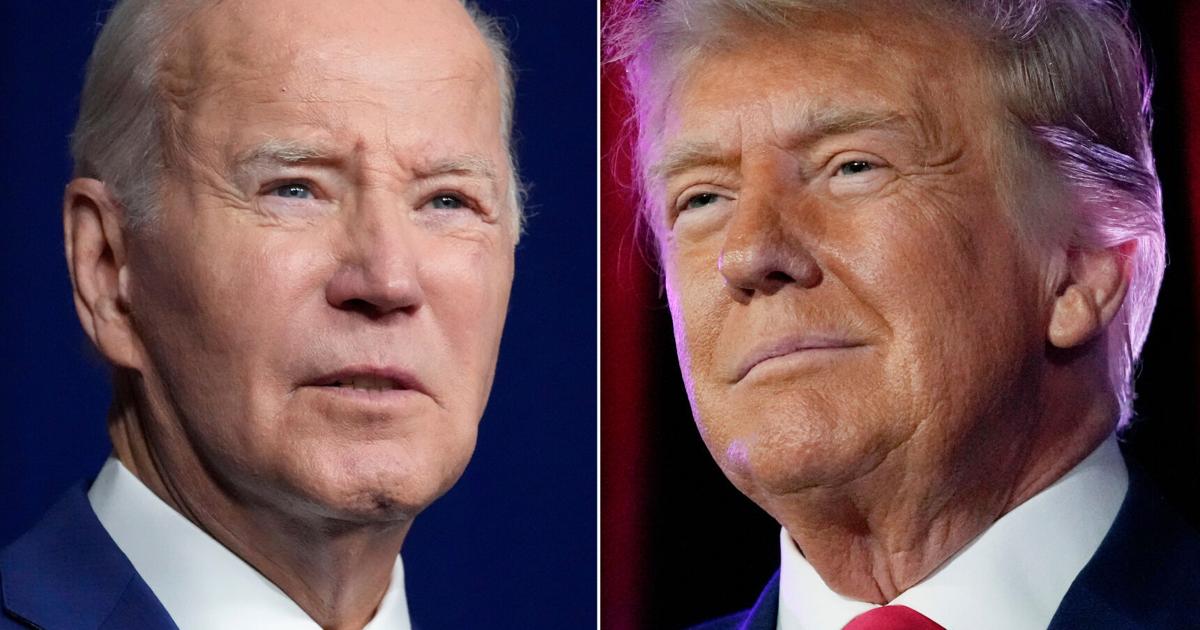
The integrity of presidential pardons is increasingly being questioned, raising concerns about the balance of power in the United States. Recent discussions have highlighted a growing sentiment that presidents can no longer be trusted to wield this significant power responsibly. This shift in public opinion reflects deeper issues surrounding political accountability and the effectiveness of the checks and balances system.
Historical Context of Presidential Pardons
Presidential pardons have long been a contentious aspect of U.S. governance. The framers of the Constitution intended for this power to serve as a mechanism for mercy and justice. However, as political landscapes evolve, the motivations behind pardons have come under scrutiny. Critics argue that recent actions by sitting presidents demonstrate a trend toward partisan use of this power, undermining its intended purpose.
Prominent commentators, including political analyst Jonah Goldberg, have voiced concerns regarding the implications of these developments. Goldberg suggests that the erosion of trust in the pardons process reflects a broader crisis of confidence in political institutions. As the public witnesses pardons being granted to individuals with questionable motivations, the foundational principles of justice and fairness are at risk of being compromised.
Impact on Public Trust and Accountability
The recent pardons granted by various administrations have raised alarms about the potential for abuse of power. Observers note that when presidents use pardons to benefit allies or political supporters, it raises questions about the integrity of the justice system. This perception can lead to a significant decline in public trust, as citizens may feel that the legal system favors the powerful over the average person.
In response to these growing concerns, calls for reform are gaining traction. Advocates for change are urging lawmakers to consider mechanisms that would enhance oversight of the pardons process. Suggestions include establishing a bipartisan commission to review and recommend pardons, ensuring that the process remains transparent and accountable.
While the system of checks and balances is designed to prevent abuses of power, it appears that the current framework may not be sufficient to maintain public confidence in the presidency. As discussions continue, it is essential to evaluate how to restore faith in the integrity of the pardons process and, by extension, the political system as a whole.
The debate over presidential pardons is emblematic of wider issues facing democracy today. If trust continues to erode, the implications for the justice system and political integrity could be profound. As the nation grapples with these challenges, the future of presidential pardons remains uncertain, demanding careful consideration and potential reform.

Millville Woman Arrested for Threatening U-Haul Worker with Baton

Japan’s PM Takaichi Commits to Fiscal Management Amid Rising Rates

Bitcoin Plummets to $87K Amid Tether Concerns – Urgent Update

Tottenville Falls to Erasmus Hall in PSAL 4A Championship, 34-27

Stanford Study Reveals Shark Teeth Clues to Prevent Extinction

Englewood Church Members Unite After Thanksgiving Fire Devastation

Researchers Urge Label Changes for Low-Alcohol Drinks to Protect Pregnant Women

Community Unites to Attempt World Record in Christmas Cookie Exchange

Agree Realty and American Assets Trust: A Comprehensive Investment Comparison

Ohio State Study Uncovers Brain Connectivity and Function Links

Hamas Chief Stresses Disarmament Tied to Occupation’s End

Megan Thee Stallion Exposes Alleged Online Attack by Bots

University of Hawaiʻi Joins $25.6M AI Project for Disaster Monitoring

Researchers Challenge 200-Year-Old Physics Principle with Atomic Engines

Paloma Elsesser Shines at LA Event with Iconic Slicked-Back Bun

FDA Unveils Plan to Cut Drug Prices and Boost Biosimilars

Federal Agents Detain Driver in Addison; Protests Erupt Immediately

Motley Fool Wealth Management Reduces Medtronic Holdings by 14.7%
-
 Science1 month ago
Ohio State Study Uncovers Brain Connectivity and Function Links
-
 Politics1 month ago
Hamas Chief Stresses Disarmament Tied to Occupation’s End
-
 Entertainment1 month ago
Megan Thee Stallion Exposes Alleged Online Attack by Bots
-
Science4 weeks ago
University of Hawaiʻi Joins $25.6M AI Project for Disaster Monitoring
-
 Science2 months ago
Researchers Challenge 200-Year-Old Physics Principle with Atomic Engines
-
 Entertainment1 month ago
Paloma Elsesser Shines at LA Event with Iconic Slicked-Back Bun
-
 World1 month ago
FDA Unveils Plan to Cut Drug Prices and Boost Biosimilars
-
 Top Stories1 month ago
Federal Agents Detain Driver in Addison; Protests Erupt Immediately
-
 Business1 month ago
Motley Fool Wealth Management Reduces Medtronic Holdings by 14.7%
-

 Entertainment1 month ago
Beloved Artist and Community Leader Gloria Rosencrants Passes Away
-

 Politics1 month ago
NHP Foundation Secures Land for 158 Affordable Apartments in Denver
-

 Science2 weeks ago
ALMA Discovers Companion Orbiting Giant Star π 1 Gruis