
Politics
Rail Unions Oppose $85B Union Pacific-Norfolk Southern Merger

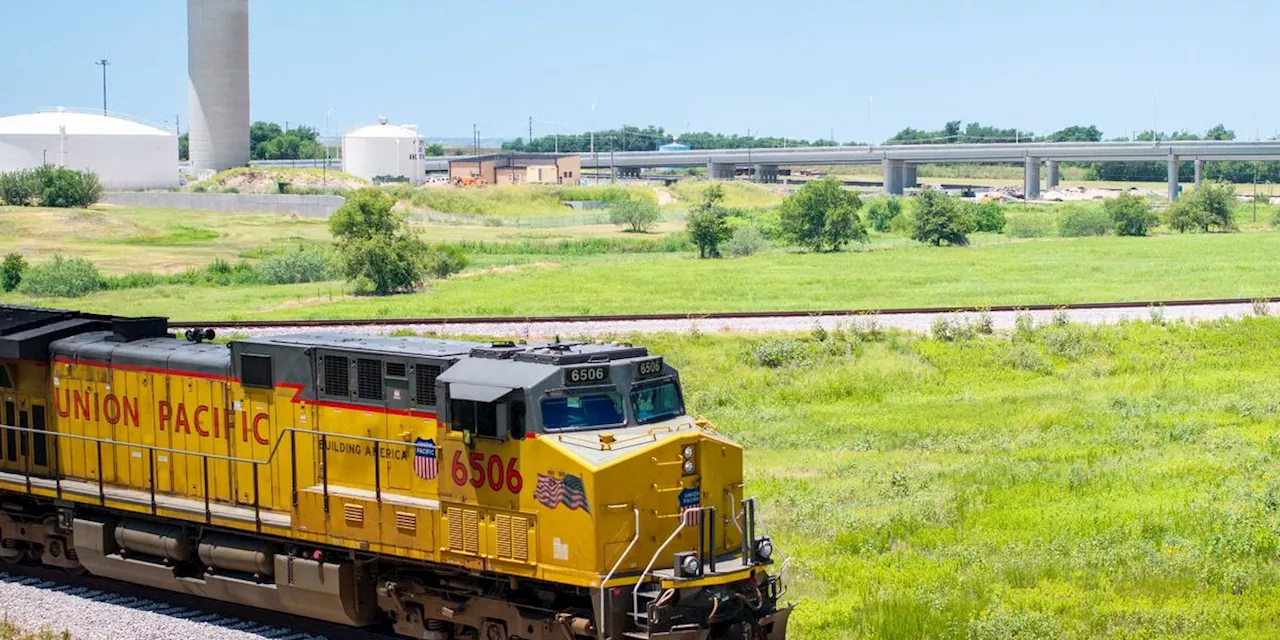
Two prominent railway unions in the United States have publicly opposed the proposed **$85 billion** merger between **Union Pacific Railroad** and **Norfolk Southern Corporation**, citing concerns over increased monopoly power, competition loss, and potential risks to worker safety. The two unions, the **Brotherhood of Locomotive Engineers and Trainmen** (BLET) and the **Brotherhood of Maintenance of Way Employees Division** (BMWED), represent more than half of the workforce at both companies.
The **US Surface Transportation Board** is set to receive a formal proposal from Union Pacific and Norfolk Southern, which aims to create the largest railroad company in US history, controlling over **50,000 miles** of track across **43 states**. If approved, this merger could result in the new entity controlling approximately **40%** of the nation’s freight capacity.
Union leaders have expressed strong opposition, warning that the merger would establish a “de facto monopoly” in many regions. **Mark Wallace**, national president of BLET, stated, “We believe this transcontinental railroad will make shipping by rail less attractive as the merged carrier passes off rail lines that serve small towns, factories, and farms to short line railroads, while running miles-long slow-moving trains on the main line.” He added that for rail customers, the decision would often boil down to “Hell or the highway.”
The unions’ concerns are amplified by a historical context of railway consolidation, which has seen the number of **Class 1 railroads** in the US decrease from around **40 in 1980** to just **six** by 2025. An analysis by the **American Economic Liberties Project** noted that this consolidation has led to poorer service for shippers, fewer options, and higher prices, alongside job losses and increased strain on remaining workers.
Despite acknowledging Norfolk Southern’s investment in safety measures following a significant derailment in **East Palestine, Ohio**, the unions criticized Union Pacific for its lack of commitment to safety, alleging that the company has engaged in practices that undermine regulatory assessments. During the Biden administration, federal regulators found that Union Pacific had coached employees on how to respond to inquiries from the **Federal Railroad Administration**, threatening disciplinary action for unsatisfactory answers.
While the merger has garnered some support from **SMART-TD**, the nation’s largest railroad union, based on assurances from Union Pacific CEO **Jim Vena** regarding job security, BLET and BMWED remain skeptical. They argue that the commitments made lack substance and that the terms allow for significant discretion regarding worker protections.
**Tony Cardwell**, president of BMWED, expressed distrust in Vena’s statements: “We don’t believe anything Vena says about how workers would be treated in the Supersized Union Pacific. The agreements reached with some other unions related to job protections post-merger have loopholes big enough to traverse freight trains through.”
As the merger proposal moves forward, the implications for both competition in the freight market and the safety of railway operations remain pressing concerns for unions and workers alike. The outcome will likely have lasting effects on the industry and the communities that rely on these crucial transport services.

Urgent Rescue: Great Dane Mix Saved from Euthanasia Today

Urgent Discovery: 20,000 Dinosaur Footprints Found Near 2026 Olympics

Rev. Jesse Jackson Launches Operation PUSH: A Historic Announcement

Gradient Investments Acquires 477,013 Shares in Kinder Morgan

James Cameron’s New Avatar Film Set to Capture Box Office Glory

Study Reveals Genetic Links Between Roommates and Gut Microbes

Twinkly Awards 2025: Celebrating Central Florida’s Best Holiday Displays

FBI’s Dan Bongino Announces Departure; Oscars Move to YouTube

Research Reveals 74% of Western US Faces Wildfire Risks

Ohio State Study Uncovers Brain Connectivity and Function Links

University of Hawaiʻi Joins $25.6M AI Project for Disaster Monitoring

ALMA Discovers Companion Orbiting Giant Star π 1 Gruis

Hamas Chief Stresses Disarmament Tied to Occupation’s End

Megan Thee Stallion Exposes Alleged Online Attack by Bots

F-22 Raptor vs. Su-57 Felon: A 2025 Fighter Jet Comparison

Innovator Captures Light at 2 Billion Frames Per Second

Paloma Elsesser Shines at LA Event with Iconic Slicked-Back Bun

Researchers Challenge 200-Year-Old Physics Principle with Atomic Engines
-
 Science2 months ago
Ohio State Study Uncovers Brain Connectivity and Function Links
-
Science2 months ago
University of Hawaiʻi Joins $25.6M AI Project for Disaster Monitoring
-
 Science1 month ago
ALMA Discovers Companion Orbiting Giant Star π 1 Gruis
-
 Politics2 months ago
Hamas Chief Stresses Disarmament Tied to Occupation’s End
-
 Entertainment2 months ago
Megan Thee Stallion Exposes Alleged Online Attack by Bots
-
 World2 months ago
F-22 Raptor vs. Su-57 Felon: A 2025 Fighter Jet Comparison
-
 Science2 months ago
Innovator Captures Light at 2 Billion Frames Per Second
-
 Entertainment2 months ago
Paloma Elsesser Shines at LA Event with Iconic Slicked-Back Bun
-
 Science2 months ago
Researchers Challenge 200-Year-Old Physics Principle with Atomic Engines
-

 World2 months ago
FDA Unveils Plan to Cut Drug Prices and Boost Biosimilars
-

 Business2 months ago
Motley Fool Wealth Management Reduces Medtronic Holdings by 14.7%
-

 Top Stories2 months ago
Federal Agents Detain Driver in Addison; Protests Erupt Immediately