
Politics
Maine’s ‘Big Brother Bill’ Could Transform Outdoor Experiences

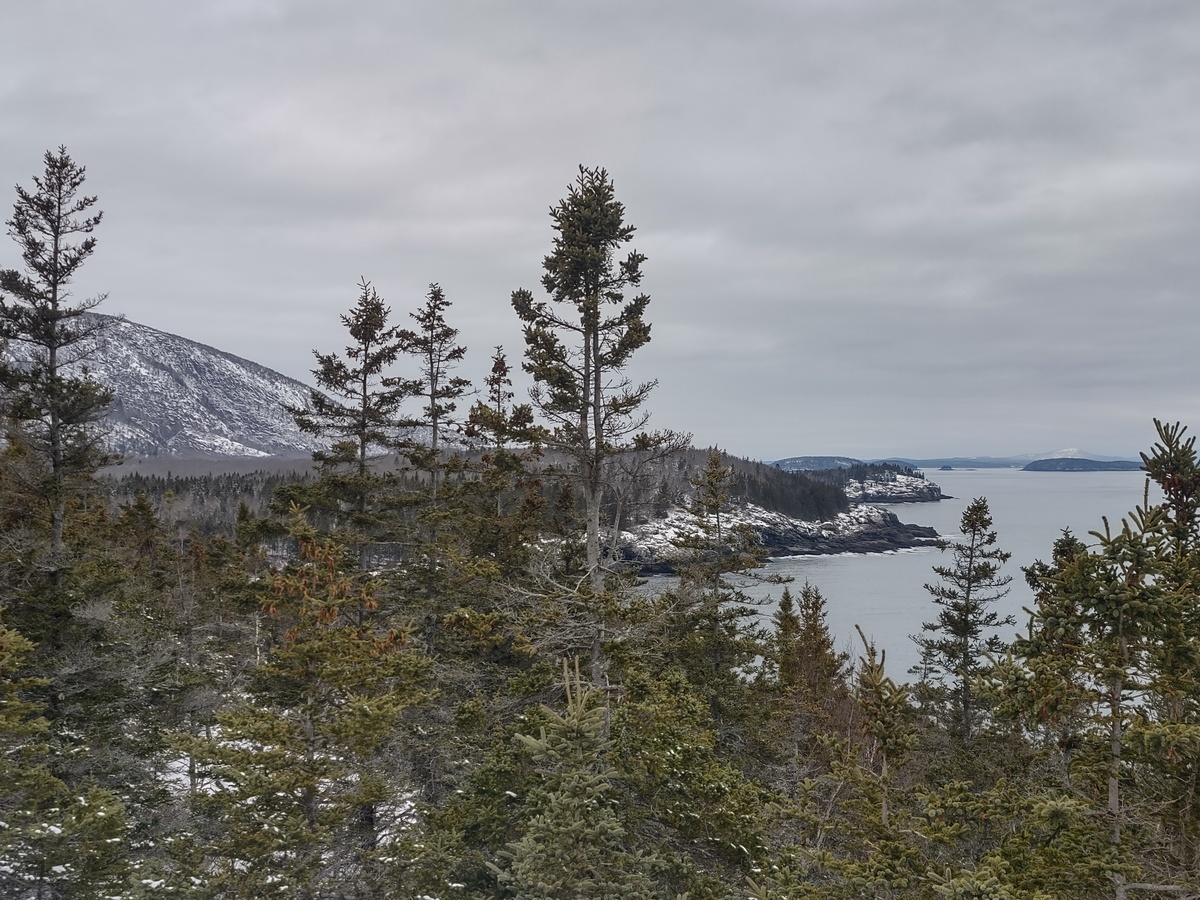
A new legislative proposal, known informally as the “Big Brother Bill,” has been introduced in the U.S. Senate, raising concerns among Mainers who cherish their outdoor activities. Officially titled Senate Bill 2967, the Border Lands Conservation Act, the bill was introduced by Sen. Mike Lee of Utah on October 2, 2023. If passed, it would grant the Department of Homeland Security and federal land management agencies the authority to install infrastructure such as roads, barriers, and surveillance equipment on federal lands that share a boundary with the U.S. northern or southern borders.
The bill permits the use of motor vehicles and aircraft for enforcement on wilderness lands along the border, a move that has drawn attention from outdoor enthusiasts across Maine. This proposed legislation particularly affects border-adjacent areas, such as the Moosehorn National Wildlife Refuge, which directly abuts the U.S.-Canada border.
Implications for Maine’s Outdoor Activities
While the bill does not explicitly restrict hunting, fishing, or other recreational activities, it could lead to increased monitoring and infrastructure in areas like Moosehorn. Outdoor users may encounter more traffic, surveillance equipment, and restricted zones, possibly impacting the quality and solitude they seek during their visits. Popular recreational areas like Acadia National Park and Katahdin Woods and Waters National Monument are not directly affected, as they do not share a boundary with Canada.
According to the American Hunters & Anglers Action Network (AHA), the bill could lead to the “weaponization” of federal lands within 100 miles of the border. This interpretation suggests a potential for increased surveillance of law-abiding hunters and anglers. However, it is important to note that the bill’s provisions apply only to lands that physically touch the international boundary, not to all federal lands within 100 miles.
The legislation also mandates that federal agencies conduct an inventory of roads and trails on these lands and report back to Congress on environmental and visitor impacts. This aspect has raised concerns among outdoor enthusiasts who fear that increased infrastructure could detract from the natural experiences they value.
Next Steps for the Bill
Senate Bill 2967 has been referred to the Senate Energy and Natural Resources Committee but has not yet been scheduled for hearings or a vote. Currently, eight senators, all from the Republican Party, are co-sponsoring the bill. As it stands, no immediate changes to Maine’s public lands are anticipated, and any legislative action could take months or longer.
For those who enjoy outdoor activities in Maine, particularly in border-adjacent lands like Moosehorn, it is crucial to monitor the progress of this bill. Engaging with local advocacy groups and staying informed about potential impacts can help protect the wilderness experiences that many Mainers hold dear.

Urgent: Vehicle Fire Closes Lanes on I-215 in Salt Lake City

Boise State Battles UNLV Tonight for MWC Championship Glory

Millville Woman Arrested for Threatening U-Haul Worker with Baton

Japan’s PM Takaichi Commits to Fiscal Management Amid Rising Rates

Bitcoin Plummets to $87K Amid Tether Concerns – Urgent Update

Tottenville Falls to Erasmus Hall in PSAL 4A Championship, 34-27

Stanford Study Reveals Shark Teeth Clues to Prevent Extinction

Englewood Church Members Unite After Thanksgiving Fire Devastation

Researchers Urge Label Changes for Low-Alcohol Drinks to Protect Pregnant Women

Ohio State Study Uncovers Brain Connectivity and Function Links

Hamas Chief Stresses Disarmament Tied to Occupation’s End

Megan Thee Stallion Exposes Alleged Online Attack by Bots

University of Hawaiʻi Joins $25.6M AI Project for Disaster Monitoring

Researchers Challenge 200-Year-Old Physics Principle with Atomic Engines

Paloma Elsesser Shines at LA Event with Iconic Slicked-Back Bun

FDA Unveils Plan to Cut Drug Prices and Boost Biosimilars

Federal Agents Detain Driver in Addison; Protests Erupt Immediately

Motley Fool Wealth Management Reduces Medtronic Holdings by 14.7%
-
 Science1 month ago
Ohio State Study Uncovers Brain Connectivity and Function Links
-
 Politics1 month ago
Hamas Chief Stresses Disarmament Tied to Occupation’s End
-
 Entertainment1 month ago
Megan Thee Stallion Exposes Alleged Online Attack by Bots
-
Science4 weeks ago
University of Hawaiʻi Joins $25.6M AI Project for Disaster Monitoring
-
 Science2 months ago
Researchers Challenge 200-Year-Old Physics Principle with Atomic Engines
-
 Entertainment1 month ago
Paloma Elsesser Shines at LA Event with Iconic Slicked-Back Bun
-
 World1 month ago
FDA Unveils Plan to Cut Drug Prices and Boost Biosimilars
-
 Top Stories1 month ago
Federal Agents Detain Driver in Addison; Protests Erupt Immediately
-
 Business1 month ago
Motley Fool Wealth Management Reduces Medtronic Holdings by 14.7%
-

 Entertainment1 month ago
Beloved Artist and Community Leader Gloria Rosencrants Passes Away
-

 Politics1 month ago
NHP Foundation Secures Land for 158 Affordable Apartments in Denver
-

 Science2 weeks ago
ALMA Discovers Companion Orbiting Giant Star π 1 Gruis