
Politics
HHS Faces Criticism Over Proposed Drug Advertising Regulations

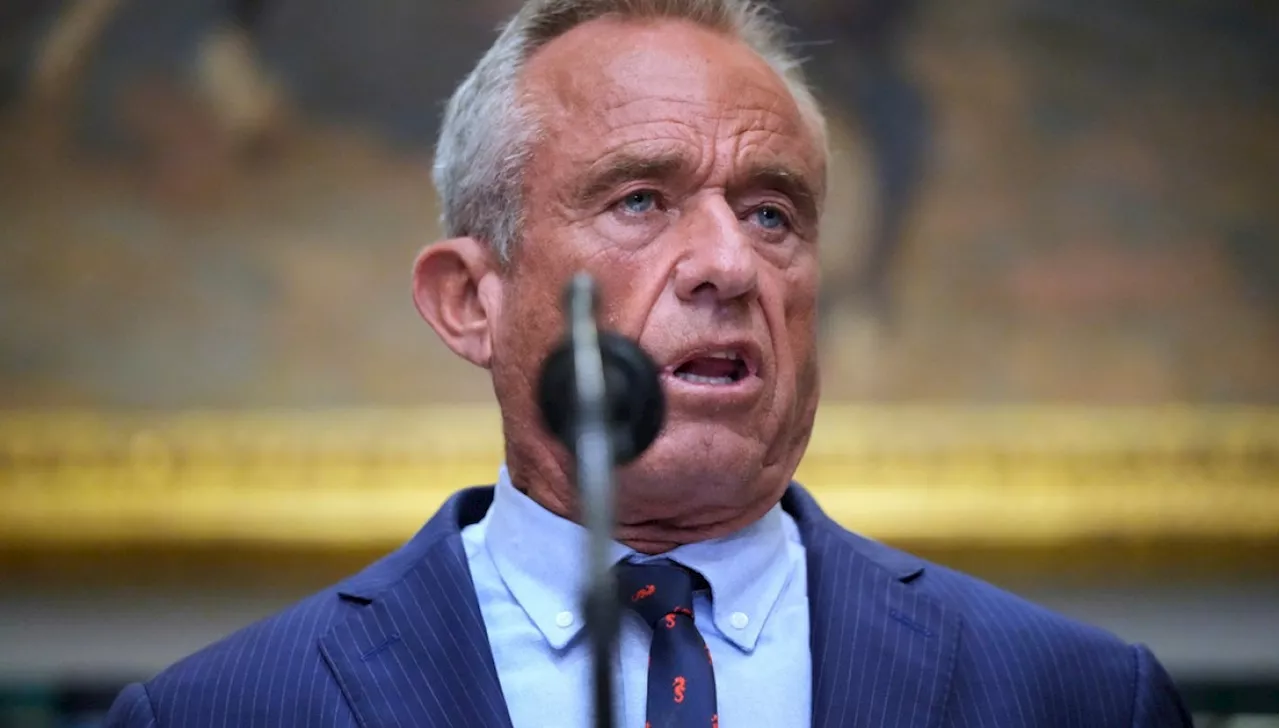
The U.S. Department of Health and Human Services (HHS) is under scrutiny for its proposed regulations on pharmaceutical advertising, which critics argue could hinder patient access to vital medical information. The proposed rules would introduce stringent disclosure requirements that many believe could effectively ban legitimate advertisements from reaching consumers.
Advocates for drug advertising contend that these promotions play a crucial role in informing patients about new treatments and fostering discussions with healthcare providers. Charlie Kirk, a prominent figure in the debate, has raised concerns that the industry is exploiting a “loophole” in current regulations to air its advertisements on television. He argues that the new rules would create “bewildering disclosure requirements” that could make compliance nearly impossible.
Historically, the legal landscape surrounding drug advertisements has evolved significantly. In 1995, a court found that the FDA’s regulations violated the First Amendment by imposing limitations that stifled communication. By 1997, a compromise allowed direct-to-consumer (DTC) advertising, requiring companies to outline major risks while directing consumers to additional information. This compromise was seen as a way to balance patient education with regulatory oversight.
The current proposal from HHS raises critical questions about consumer access to information. Critics argue that increasing the complexity of advertising disclosures could lead to a situation where essential information is obscured. They warn that depriving patients of knowledge about emerging treatments does not enhance safety; instead, it could lead to detrimental outcomes.
One potential consequence of the proposed regulations is that they might not only restrict the ability of pharmaceutical companies to communicate effectively but could also suppress public discourse on health. In previous rulings, the Supreme Court has reinforced the idea that truthful advertising is integral to public debate regarding health and innovation. The court has stated that the government cannot silence truthful speech merely because it may influence behavior.
As the debate unfolds, the implications of these regulations become clearer. If the HHS reimposes a de facto ban on DTC advertising, it may face immediate legal challenges. The proposed requirements may transform advertisements into a format that is unable to convey necessary information. A commercial laden with mandated disclaimers could become ineffective, amounting to a form of censorship rather than regulation.
Moreover, supporters of DTC advertising argue that it has led millions to pursue medical care for conditions they might otherwise overlook. Increased awareness through these advertisements can lead to earlier diagnoses and improved health outcomes. Critics of the proposed regulations assert that the government should focus on enhancing transparency and trust rather than restricting communication.
Regulators already possess the authority to penalize false or misleading advertising. The challenge lies in ensuring that regulations do not become so burdensome that they obstruct legitimate advertising efforts. Advocates suggest that HHS should reconsider its approach and reaffirm the balance established in 1997.
In a democracy, the solution to misinformation should be more information, not silence. The public’s right to know is paramount, and transparency is essential for fostering trust between consumers and the healthcare industry. As discussions continue, the outcome will likely have significant implications for how pharmaceutical companies communicate with the public and how patients access critical health information.
Absolute Joker Takes Over Batman’s Iconic Life in Shocking Twist

Discover the Eyelash Growth Serum Transforming Beauty Routines

Time Names “Architects of AI” as 2025 Person of the Year

Homeland Security Secretary Noem Faces Intense Scrutiny Today

Absolute Joker Claims Batman’s Manor in Shocking Twist

Jason Collins Reveals Urgent Battle Against Stage 4 Glioblastoma

Ciena Surges with Strong Earnings Report and Upbeat Guidance

Healthcare Proposals Clash as Fed Cuts Interest Rates

Webb Telescope Discovers Oldest Supernova in Cosmic History

Ohio State Study Uncovers Brain Connectivity and Function Links

Hamas Chief Stresses Disarmament Tied to Occupation’s End

University of Hawaiʻi Joins $25.6M AI Project for Disaster Monitoring

Megan Thee Stallion Exposes Alleged Online Attack by Bots

ALMA Discovers Companion Orbiting Giant Star π 1 Gruis

Researchers Challenge 200-Year-Old Physics Principle with Atomic Engines

Paloma Elsesser Shines at LA Event with Iconic Slicked-Back Bun

FDA Unveils Plan to Cut Drug Prices and Boost Biosimilars

Motley Fool Wealth Management Reduces Medtronic Holdings by 14.7%
-
 Science1 month ago
Ohio State Study Uncovers Brain Connectivity and Function Links
-
 Politics2 months ago
Hamas Chief Stresses Disarmament Tied to Occupation’s End
-
Science1 month ago
University of Hawaiʻi Joins $25.6M AI Project for Disaster Monitoring
-
 Entertainment1 month ago
Megan Thee Stallion Exposes Alleged Online Attack by Bots
-
 Science4 weeks ago
ALMA Discovers Companion Orbiting Giant Star π 1 Gruis
-
 Science2 months ago
Researchers Challenge 200-Year-Old Physics Principle with Atomic Engines
-
 Entertainment1 month ago
Paloma Elsesser Shines at LA Event with Iconic Slicked-Back Bun
-
 World1 month ago
FDA Unveils Plan to Cut Drug Prices and Boost Biosimilars
-
 Business1 month ago
Motley Fool Wealth Management Reduces Medtronic Holdings by 14.7%
-

 Top Stories2 months ago
Federal Agents Detain Driver in Addison; Protests Erupt Immediately
-

 Entertainment1 month ago
Beloved Artist and Community Leader Gloria Rosencrants Passes Away
-

 Science2 months ago
Innovator Captures Light at 2 Billion Frames Per Second