
Politics
Airline Dress Code Debate Sparks Controversy Over Civility

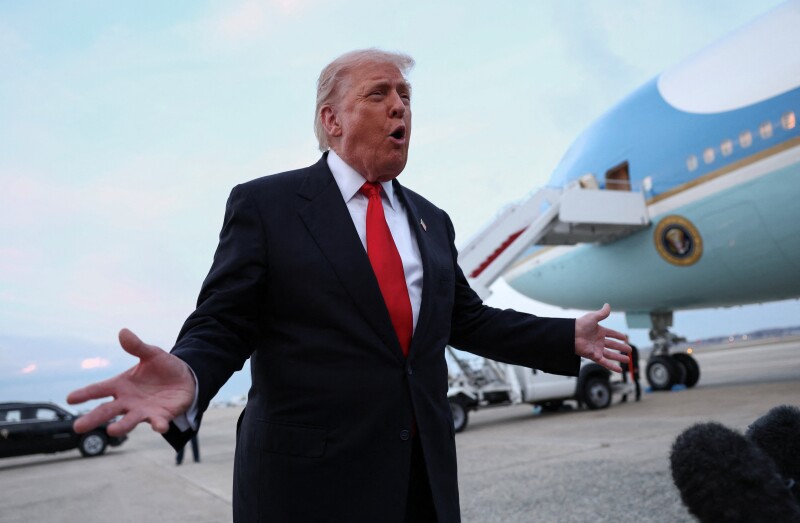
The recent comments by Sean Duffy, the U.S. Transportation Secretary, advocating for passengers to “dress with respect” on airplanes, have ignited considerable debate. His statement, which aimed to address what he described as “a degradation of civility” among air travelers, faced swift backlash and was juxtaposed against a notorious incident involving Donald Trump during a flight on Air Force One.
Duffy’s assertion highlights a growing concern regarding airline etiquette, particularly as he referenced the alarming statistic of 1,240 unruly passenger cases reported by the Federal Aviation Administration (FAA) in the previous year. This figure does not account for countless instances of rudeness or inappropriate attire, such as wearing pajamas while flying.
In reaction to Duffy’s comments, a Vogue Magazine article titled, “I Will Start Dressing Respectfully When Airlines Start Respecting Me,” criticized the notion of dressing up for flights. The writer conveyed frustration over what she perceived as societal pressure to forgo comfort in favor of appearance, stating that such expectations are “beyond the pale.” This perspective, however, misses a critical aspect of Duffy’s call for civility: the importance of showing respect to fellow passengers and airline staff.
The essence of Duffy’s message is not about individual comfort but rather about maintaining a standard of respect for others, particularly for the cabin crew who face the brunt of passenger complaints and disrespect. A personal anecdote illustrates this point effectively. An elderly man, referred to as Frank, consistently dressed in a blazer, pressed shirt, and tie for his flights, despite not being wealthy. His efforts did not go unnoticed; flight attendants often complimented him on his attire, which fostered a more pleasant atmosphere during the flight.
Critics of Duffy’s initiative often point to broader issues within the airline industry, such as cramped seating, flight cancellations, and the rising costs of services, as reasons for their frustrations. While these complaints are valid, they do not excuse poor behavior or a lack of respect for others. Passengers frequently choose budget options, leading to a compromise in service quality, yet this choice does not absolve them of their responsibility to behave courteously.
The current discourse surrounding airline etiquette reflects a broader societal trend regarding respect and civility. As leaders continue to engage in crass behavior, it becomes vital for individuals to rise above these low standards rather than mimic them. The challenge lies in balancing personal comfort with the decorum expected in shared public spaces, especially in environments such as airplanes.
In conclusion, Duffy’s call for a more respectful approach to airline travel invites reflection on how individual actions impact the collective experience of flying. While the discomfort of air travel can elicit frustrations, a commitment to civility can enhance the journey for everyone involved.

Bulgaria’s Government Resigns Amid Mass Protests Before Eurozone Entry

Mrs. Claus for a Cause Returns to Montrose: Free Event Dec. 19-21

Putin Offers Security Guarantees for Ukraine in Urgent Talks

Ukraine Proposes Peace Plan to Trump as Tensions Over Territory Persist

Unemployment Claims Rise to 236,000 as Continuing Benefits Decline

Absolute Joker Takes Over Batman’s Iconic Life in Shocking Twist

Discover the Eyelash Growth Serum Transforming Beauty Routines

Time Names “Architects of AI” as 2025 Person of the Year

Homeland Security Secretary Noem Faces Intense Scrutiny Today

Ohio State Study Uncovers Brain Connectivity and Function Links

Hamas Chief Stresses Disarmament Tied to Occupation’s End

University of Hawaiʻi Joins $25.6M AI Project for Disaster Monitoring

Megan Thee Stallion Exposes Alleged Online Attack by Bots

ALMA Discovers Companion Orbiting Giant Star π 1 Gruis

Researchers Challenge 200-Year-Old Physics Principle with Atomic Engines

Paloma Elsesser Shines at LA Event with Iconic Slicked-Back Bun

FDA Unveils Plan to Cut Drug Prices and Boost Biosimilars

Federal Agents Detain Driver in Addison; Protests Erupt Immediately
-
 Science1 month ago
Ohio State Study Uncovers Brain Connectivity and Function Links
-
 Politics2 months ago
Hamas Chief Stresses Disarmament Tied to Occupation’s End
-
Science1 month ago
University of Hawaiʻi Joins $25.6M AI Project for Disaster Monitoring
-
 Entertainment1 month ago
Megan Thee Stallion Exposes Alleged Online Attack by Bots
-
 Science4 weeks ago
ALMA Discovers Companion Orbiting Giant Star π 1 Gruis
-
 Science2 months ago
Researchers Challenge 200-Year-Old Physics Principle with Atomic Engines
-
 Entertainment1 month ago
Paloma Elsesser Shines at LA Event with Iconic Slicked-Back Bun
-
 World1 month ago
FDA Unveils Plan to Cut Drug Prices and Boost Biosimilars
-
 Top Stories2 months ago
Federal Agents Detain Driver in Addison; Protests Erupt Immediately
-

 Business1 month ago
Motley Fool Wealth Management Reduces Medtronic Holdings by 14.7%
-

 Entertainment1 month ago
Beloved Artist and Community Leader Gloria Rosencrants Passes Away
-

 Science2 months ago
Innovator Captures Light at 2 Billion Frames Per Second