
Health
Weight Loss Drugs Transform Shopping Habits and Consumer Choices

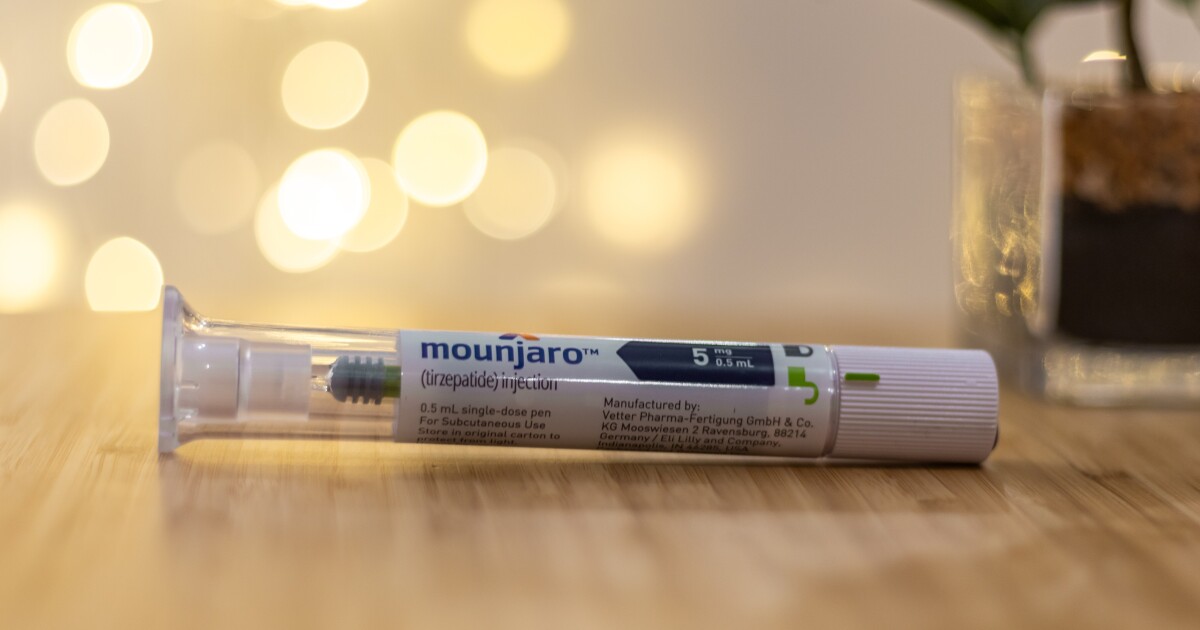
Recent findings reveal that weight loss medications like Wegovy and Zepbound are not only influencing physical appearance but also reshaping consumer shopping habits. A study conducted by PwC and published in the Harvard Business Review highlights a significant shift in grocery spending patterns among users of these medications.
The analysis examined the shopping behaviors of over 11,000 households in the United States, revealing that grocery expenditures decreased by 6% to 8% within the first year for households where a GLP-1 medication user was the primary food buyer. This trend indicates that the appetite for high-calorie and less nutritious options is waning among these consumers.
In addition to grocery shopping, the impact of these weight loss drugs extends to fast food consumption. The data shows a decline in spending on fast food, while expenditures at full-service restaurants have risen. This shift suggests that consumers are making more health-conscious dining choices, seeking quality over convenience.
Moreover, users of GLP-1 medications are also engaging in more substantial clothing purchases. On average, they are spending approximately 4% to 5% more on apparel around six months after beginning treatment. This increase can be attributed to a need for new clothing as users experience changes in body size, but it may also reflect a boost in confidence stemming from weight loss.
Travel choices are also evolving, with an increasing number of consumers opting for wellness-focused vacations. These trips often emphasize health and fitness, aligning with the lifestyle changes that accompany the use of weight loss drugs.
As the market for these medications continues to grow, the implications for consumer behavior are significant. The findings underscore a broader trend where health and wellness are becoming central to purchasing decisions, affecting everything from grocery lists to travel plans.
In summary, the rise of medications like Wegovy and Zepbound is not just transforming individual lives but also reshaping the economic landscape, leading to changes in how people shop, eat, and engage in recreational activities. As these trends continue, industries will likely adapt to meet the evolving needs of health-conscious consumers.

Berkeley Hat Company Closes After 50 Years on Telegraph Ave

New Trailer for ‘Mother of Flies’ Unveiled Ahead of 2026 Premiere

Iconic ‘Star Wars’ Painting Sells for $3.9 Million at Auction

Toledo Basketball Team Thrives with Former Teammates’ Return

Iranian Media Acknowledges Mistakes in Reporting F-35 Incident

Global Markets Show Resilience on December 11, 2025

Iconic ‘Star Wars’ Painting Sells for $3.9 Million at Auction

Senate to Vote on Competing Health Bills to Address Rising Costs

Hillcrest Shares Essential Tips for Seniors to Stay Connected This Holiday Season

Ohio State Study Uncovers Brain Connectivity and Function Links

Hamas Chief Stresses Disarmament Tied to Occupation’s End

University of Hawaiʻi Joins $25.6M AI Project for Disaster Monitoring

Megan Thee Stallion Exposes Alleged Online Attack by Bots

ALMA Discovers Companion Orbiting Giant Star π 1 Gruis

Researchers Challenge 200-Year-Old Physics Principle with Atomic Engines

Paloma Elsesser Shines at LA Event with Iconic Slicked-Back Bun

FDA Unveils Plan to Cut Drug Prices and Boost Biosimilars

Motley Fool Wealth Management Reduces Medtronic Holdings by 14.7%
-
 Science1 month ago
Ohio State Study Uncovers Brain Connectivity and Function Links
-
 Politics2 months ago
Hamas Chief Stresses Disarmament Tied to Occupation’s End
-
Science1 month ago
University of Hawaiʻi Joins $25.6M AI Project for Disaster Monitoring
-
 Entertainment1 month ago
Megan Thee Stallion Exposes Alleged Online Attack by Bots
-
 Science4 weeks ago
ALMA Discovers Companion Orbiting Giant Star π 1 Gruis
-
 Science2 months ago
Researchers Challenge 200-Year-Old Physics Principle with Atomic Engines
-
 Entertainment1 month ago
Paloma Elsesser Shines at LA Event with Iconic Slicked-Back Bun
-
 World1 month ago
FDA Unveils Plan to Cut Drug Prices and Boost Biosimilars
-
 Business1 month ago
Motley Fool Wealth Management Reduces Medtronic Holdings by 14.7%
-

 Top Stories2 months ago
Federal Agents Detain Driver in Addison; Protests Erupt Immediately
-

 Entertainment1 month ago
Beloved Artist and Community Leader Gloria Rosencrants Passes Away
-

 Science2 months ago
Innovator Captures Light at 2 Billion Frames Per Second