
Health
UK and US Strike Controversial Medicines Deal Amid Criticism

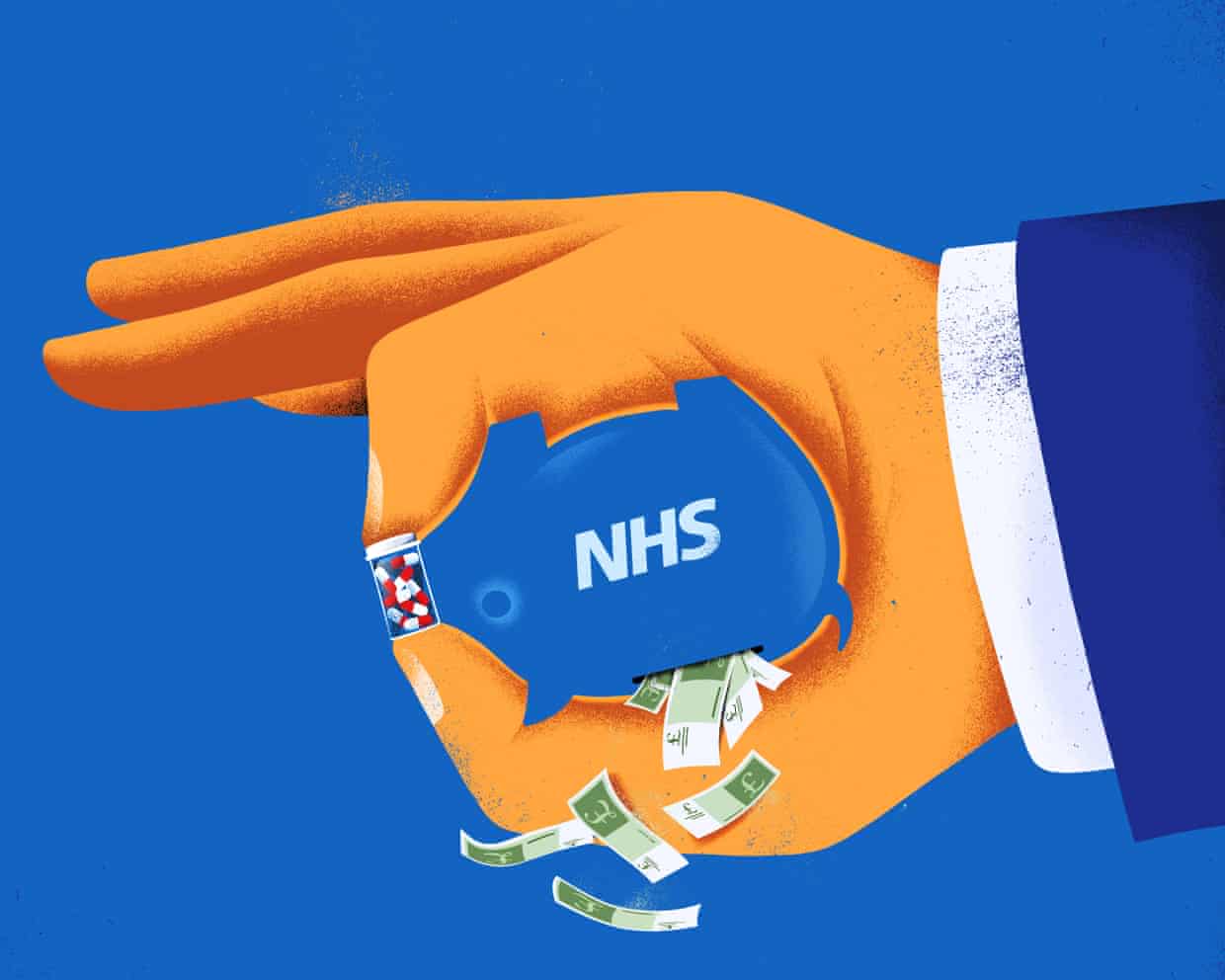
The recent agreement between the United Kingdom and the United States regarding the procurement of medicines has ignited significant debate over its implications for the National Health Service (NHS) and British patients. British Prime Minister Keir Starmer and former President Donald Trump have heralded the deal as a transformative step for the UK’s healthcare landscape, but many experts warn it could lead to increased costs and negative outcomes for patients.
The deal, dubbed a “world-beating agreement” by Patrick Vallance, the UK’s science minister, aims to position the UK as a global hub for life sciences. Peter Kyle, the business secretary, echoed this sentiment, stating that “tens of thousands of NHS patients will benefit.” However, there is a stark contrast in interpretations of the agreement across the Atlantic. In the US, trade secretary Howard Luttnick characterized it as a “major win for American workers,” suggesting that the focus is more on American interests than on enhancing care for British citizens.
Critics of the deal have raised concerns about its true cost to the NHS and patients. According to an estimate from the Office for Budget Responsibility (OBR), the agreement could impose an additional burden of £3 billion annually on the NHS without providing any new benefits. This additional expenditure is expected to come from existing NHS budgets, potentially resulting in fewer cancer scans, longer wait times for ambulances, and delays in surgeries.
Despite these warnings, the UK government has not provided a detailed assessment of the deal’s implications. The Department of Health’s response to inquiries regarding the calculations behind these estimates has been notably vague, with Wes Streeting, the health secretary, downplaying costs without offering clear data. In contrast, Karl Claxton, a professor at the University of York and an expert on NHS medicine economics, suggests that the deal could lead to a tragic increase in mortality, estimating that it could result in an additional 15,971 deaths each year. Even with a more optimistic projection from the government, the figures remain alarming.
The deal’s announcement has been accompanied by reports of significant moves in the pharmaceutical industry. In mid-September 2023, Merck halted plans for a research facility in London, and other major companies like Eli Lilly and AstraZeneca followed suit by pausing projects that were expected to create jobs in the UK. The response from the pharmaceutical sector indicates that UK drug pricing practices are perceived as a threat to their profitability, prompting them to reconsider investment in the region.
The implications of this agreement are far-reaching. The NHS is known for its rigorous regulation of drug prices, which typically results in lower costs for British patients compared to their American counterparts, where medication prices are often three times higher. The new deal appears to undermine this established system, raising concerns that it will lead to increased prices for essential medications and shift the focus away from patient care towards corporate profits.
As the UK government promotes this deal as a victory, critics argue it represents a capitulation that will ultimately harm the very healthcare system it aims to strengthen. Observers like Sally Gainsbury from the Nuffield Trust have labeled the situation as part of a “Ponzi scheme,” suggesting that the NHS is being leveraged for trade deals that prioritize profit over patient welfare.
The public has received little information about the deal, which lacks official documentation and oversight. While the government has been vocal about other health matters, media coverage of this agreement has been limited, with only 13 articles reported compared to 76 on the ongoing doctors’ pay dispute.
In pursuit of economic growth, the government risks altering the fundamental purpose of one of its most cherished institutions. The implications of this agreement extend beyond politics and economics; they touch the lives of every NHS patient, potentially reshaping the future of healthcare in the UK. As this situation continues to unfold, the true costs of the deal remain a pressing concern for all stakeholders involved.

Mrs. Claus for a Cause Returns to Montrose: Free Event Dec. 19-21

Putin Offers Security Guarantees for Ukraine in Urgent Talks

Ukraine Proposes Peace Plan to Trump as Tensions Over Territory Persist

Unemployment Claims Rise to 236,000 as Continuing Benefits Decline

Absolute Joker Takes Over Batman’s Iconic Life in Shocking Twist

Discover the Eyelash Growth Serum Transforming Beauty Routines

Time Names “Architects of AI” as 2025 Person of the Year

Homeland Security Secretary Noem Faces Intense Scrutiny Today

Absolute Joker Claims Batman’s Manor in Shocking Twist

Ohio State Study Uncovers Brain Connectivity and Function Links

Hamas Chief Stresses Disarmament Tied to Occupation’s End

University of Hawaiʻi Joins $25.6M AI Project for Disaster Monitoring

Megan Thee Stallion Exposes Alleged Online Attack by Bots

ALMA Discovers Companion Orbiting Giant Star π 1 Gruis

Researchers Challenge 200-Year-Old Physics Principle with Atomic Engines

Paloma Elsesser Shines at LA Event with Iconic Slicked-Back Bun

FDA Unveils Plan to Cut Drug Prices and Boost Biosimilars

Motley Fool Wealth Management Reduces Medtronic Holdings by 14.7%
-
 Science1 month ago
Ohio State Study Uncovers Brain Connectivity and Function Links
-
 Politics2 months ago
Hamas Chief Stresses Disarmament Tied to Occupation’s End
-
Science1 month ago
University of Hawaiʻi Joins $25.6M AI Project for Disaster Monitoring
-
 Entertainment1 month ago
Megan Thee Stallion Exposes Alleged Online Attack by Bots
-
 Science4 weeks ago
ALMA Discovers Companion Orbiting Giant Star π 1 Gruis
-
 Science2 months ago
Researchers Challenge 200-Year-Old Physics Principle with Atomic Engines
-
 Entertainment1 month ago
Paloma Elsesser Shines at LA Event with Iconic Slicked-Back Bun
-
 World1 month ago
FDA Unveils Plan to Cut Drug Prices and Boost Biosimilars
-
 Business1 month ago
Motley Fool Wealth Management Reduces Medtronic Holdings by 14.7%
-

 Top Stories2 months ago
Federal Agents Detain Driver in Addison; Protests Erupt Immediately
-

 Entertainment1 month ago
Beloved Artist and Community Leader Gloria Rosencrants Passes Away
-

 Science2 months ago
Innovator Captures Light at 2 Billion Frames Per Second