
Health
Obamacare Subsidies Set to Expire, Republicans Quietly Unconcerned

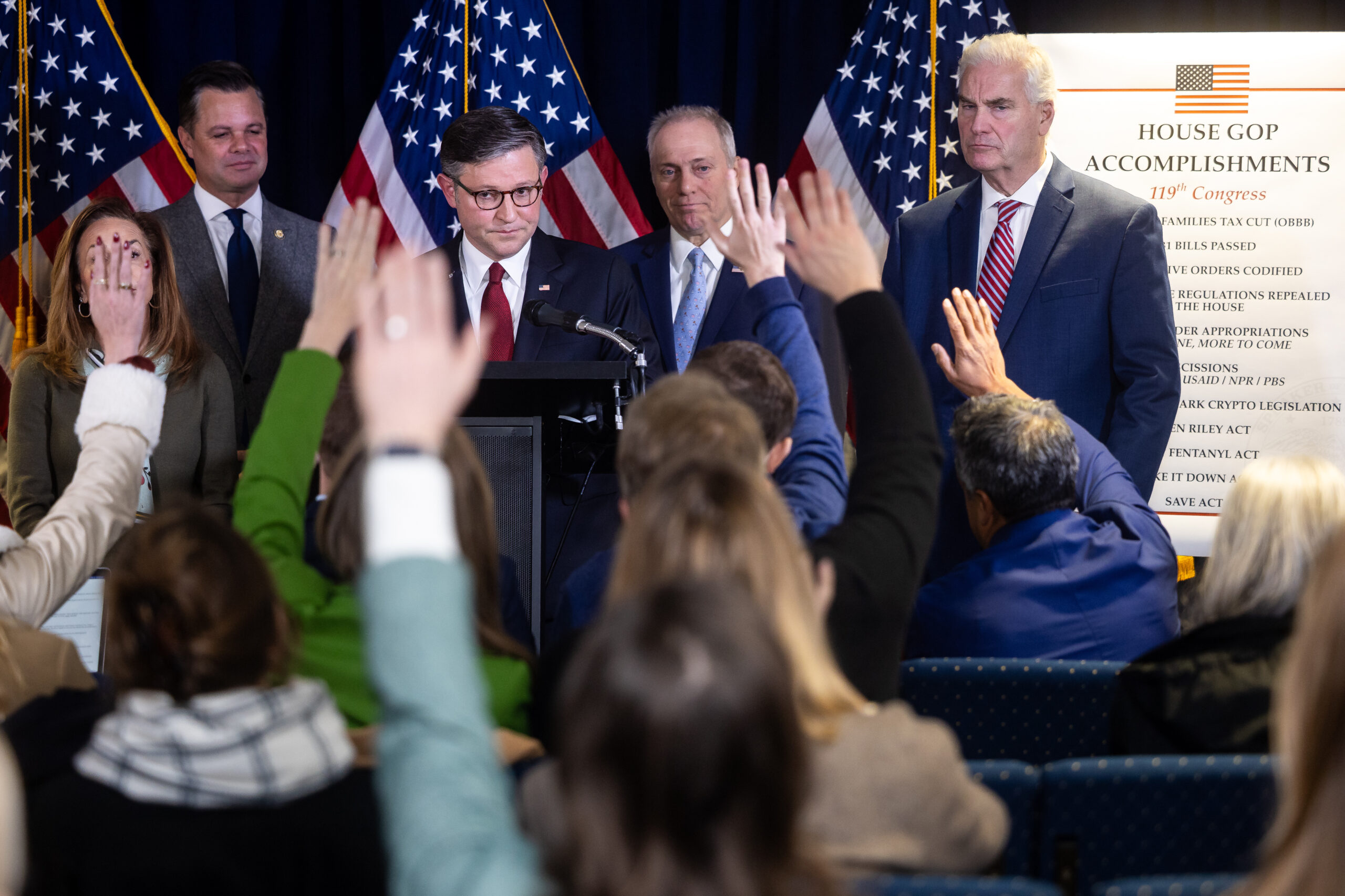
The expiration of subsidies under the Affordable Care Act, commonly known as Obamacare, is approaching this month, with potential implications for millions of Americans. As the deadline nears, many members of the Republican Party appear indifferent, reflecting a cautious approach to discussing the health care program.
The subsidies, which have provided financial assistance to low- and middle-income individuals for their health insurance premiums, were a cornerstone of the Affordable Care Act when it was enacted in 2010. With the expiration date set for March 31, 2024, lawmakers are increasingly aware that their decisions will impact access to affordable health care for many.
Republican leaders have historically expressed opposition to Obamacare, viewing it as a government overreach. However, as the expiration of the subsidies draws closer, some party members have adopted a more subdued stance. In conversations with constituents, many Republicans are hesitant to engage in discussions that could revive accusations of supporting the health care law.
A notable concern for many lawmakers is the political risk associated with a primary challenge. One Republican official stated, “No one wants a primary challenge where the accusation is: ‘You supported Obamacare.'” This sentiment reflects a broader hesitation within the party to discuss the potential fallout of the subsidy expiration, which could lead to increased health care costs for many Americans.
The political landscape surrounding health care remains complex. As the deadline looms, some Republicans worry that the expiration of these subsidies could become a significant issue in upcoming elections. The number of individuals reliant on these subsidies is substantial; according to the U.S. Department of Health and Human Services, nearly 13 million Americans benefited from them in the last enrollment period.
Democrats, on the other hand, are seizing the moment to highlight the potential negative impacts of the subsidy expiration. They argue that allowing the subsidies to lapse could push millions into unaffordable health care options, exacerbating existing inequalities in access to medical services.
As discussions continue in Congress, the focus remains on how to address the impending expiration. While some Republicans are advocating for alternative solutions, there is a palpable tension surrounding the issue. The party’s reluctance to fully engage in the debate signifies a broader struggle over health care policy and its implications for voters.
The coming weeks will be critical as legislators navigate the political ramifications of the subsidy expiration. With the potential for increased health care costs looming, the political calculations made by both parties will likely shape the discourse leading into the 2024 elections.
As Americans wait to see how their health care options may be affected, the debate over Obamacare and its lasting impact on the health care landscape remains as contentious as ever.

**One Dead, Three Injured in Urgent I-57 Crash on Chicago’s South Side**

Techman Robot Unveils AI Innovations to Transform Manufacturing at iREX 2025

Na Makua Invitational Christmas Gift Fair Launches This Weekend

Obamacare Subsidies Set to Expire, Republicans Quietly Unconcerned

Volcano Art Center Launches 26th Annual Wreath Exhibition

Trump Administration Pauses Immigration Applications from 19 Nations

Study Reveals Human Gene Maps Favor European Ancestry

Man Arrested for Violent Attack on NYU Student in Greenwich Village

Young Brands Surge to Prominence, Captivating Fans Fast

Ohio State Study Uncovers Brain Connectivity and Function Links

Hamas Chief Stresses Disarmament Tied to Occupation’s End

Megan Thee Stallion Exposes Alleged Online Attack by Bots

University of Hawaiʻi Joins $25.6M AI Project for Disaster Monitoring

Researchers Challenge 200-Year-Old Physics Principle with Atomic Engines

Paloma Elsesser Shines at LA Event with Iconic Slicked-Back Bun

FDA Unveils Plan to Cut Drug Prices and Boost Biosimilars

Federal Agents Detain Driver in Addison; Protests Erupt Immediately

Motley Fool Wealth Management Reduces Medtronic Holdings by 14.7%
-
 Science1 month ago
Ohio State Study Uncovers Brain Connectivity and Function Links
-
 Politics1 month ago
Hamas Chief Stresses Disarmament Tied to Occupation’s End
-
 Entertainment1 month ago
Megan Thee Stallion Exposes Alleged Online Attack by Bots
-
Science1 month ago
University of Hawaiʻi Joins $25.6M AI Project for Disaster Monitoring
-
 Science2 months ago
Researchers Challenge 200-Year-Old Physics Principle with Atomic Engines
-
 Entertainment1 month ago
Paloma Elsesser Shines at LA Event with Iconic Slicked-Back Bun
-
 World1 month ago
FDA Unveils Plan to Cut Drug Prices and Boost Biosimilars
-
 Top Stories1 month ago
Federal Agents Detain Driver in Addison; Protests Erupt Immediately
-
 Business1 month ago
Motley Fool Wealth Management Reduces Medtronic Holdings by 14.7%
-

 Entertainment1 month ago
Beloved Artist and Community Leader Gloria Rosencrants Passes Away
-

 Science3 weeks ago
ALMA Discovers Companion Orbiting Giant Star π 1 Gruis
-

 Politics2 months ago
NHP Foundation Secures Land for 158 Affordable Apartments in Denver