
Health
Medicare Secures Lower Prices for 15 Essential Drugs

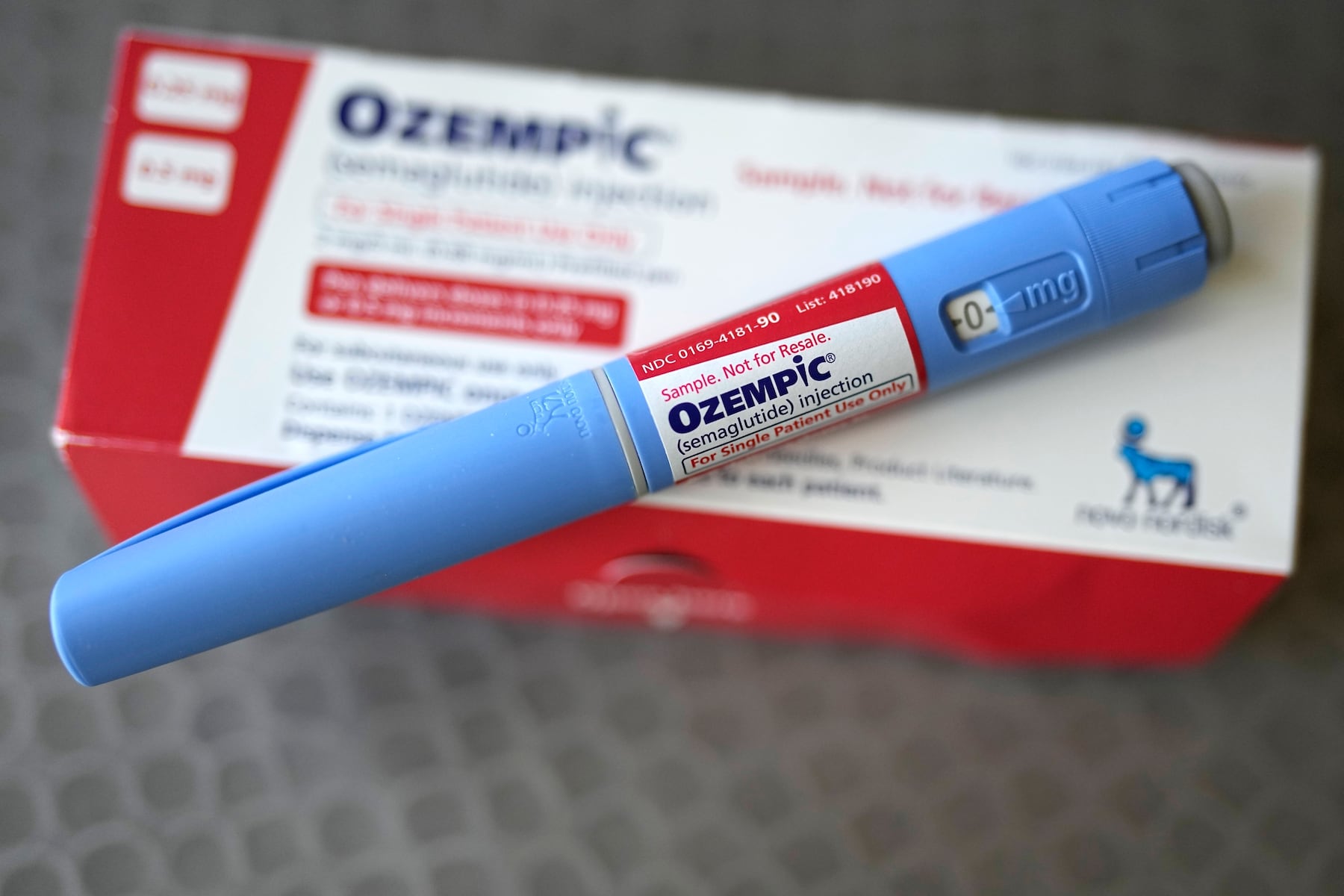
In a significant move aimed at reducing prescription drug costs for seniors, Medicare has announced lower prices for 15 widely used medications, including the popular drugs Ozempic and Wegovy. Following extensive negotiations, pharmaceutical companies have agreed to cut prices, a decision expected to yield billions in savings for both taxpayers and older adults.
Health Secretary Robert F. Kennedy Jr. highlighted the administration’s commitment to making healthcare more affordable for Americans. The new pricing structure is part of the Medicare drug negotiation program, which was mandated by legislation and initiated under President Joe Biden‘s administration. Kennedy stated, “President Trump directed us to stop at nothing to lower health care costs for the American people,” underscoring the administration’s focus on improving healthcare affordability for seniors.
Details of the Negotiated Drug Prices
This announcement represents the conclusion of a second round of negotiations under a law passed in 2022 that allows Medicare to negotiate prices for the most popular and costly prescription drugs utilized by seniors. With this latest round, the total number of negotiated drug prices has reached 25. The adjusted prices are set to take effect in 2027, while the previous batch of negotiations conducted by the Biden administration will begin to impact prices in January 2024.
The newly negotiated prices target some of the most expensive drugs covered by Medicare, including GLP-1 medications like Ozempic and Wegovy, which are primarily used for weight loss and diabetes management. Other drugs included in the negotiations are Trelegy Ellipta, used for asthma, and Otezla, a treatment for psoriatic arthritis, along with various medications addressing diabetes, irritable bowel syndrome, and different cancer types.
Dr. Mehmet Oz, administrator of the Centers for Medicare and Medicaid Services, stated that the administration has achieved “substantially better outcomes for taxpayers and seniors in the Medicare Part D program” compared to previous negotiations. The first round of negotiations conducted by the Biden administration was projected to save approximately $6 billion on net covered prescription drug costs, while the Trump administration estimates that its recent negotiations could have saved about $8.5 billion in net spending last year.
Despite these reductions, the exact savings for Medicare beneficiaries at the pharmacy counter remain uncertain. Individual costs will depend on various factors, including each person’s specific Medicare plan and their annual prescription spending.
Future Prospects and Ongoing Challenges
Additionally, a new rule implemented this year caps out-of-pocket drug expenses for Medicare beneficiaries at $2,000, providing financial relief for those facing high prescription costs. The administration anticipates that out-of-pocket savings for Medicare beneficiaries will amount to around $685 million.
Spencer Perlman, director of health care research at Veda Partners, noted that the Trump administration’s success in negotiations likely stems from both the selection of drugs and insights gained from prior negotiations. While net drug prices remain proprietary information, Perlman believes that the administration’s claims indicate meaningful price concessions have been secured for seniors, suggesting the Medicare Drug Price Negotiation Program is functioning effectively.
The GLP-1 medications have faced scrutiny due to their high out-of-pocket costs. Historically, Medicare has not covered weight-loss treatments, but a recent agreement between the Trump administration and two pharmaceutical companies includes plans for a pilot program. This initiative aims to extend coverage for these medications to certain high-risk, obese, and overweight individuals.
While the pharmaceutical industry has voiced opposition to Medicare’s drug negotiations, citing concerns over government price-setting, the administration continues to pursue deals aimed at lowering costs. Alex Schriver, senior vice president of public affairs at the Pharmaceutical Research and Manufacturers of America (PhRMA), stated, “Whether it is the IRA or MFN, government price setting for medicines is the wrong policy for America.” Schriver warned that these policies could hinder future medical innovation, potentially diverting $300 billion from biopharmaceutical research and adversely affecting the economy.
Looking ahead, Medicare is set to negotiate prices for another group of 15 drugs next year, marking the first time that physician-administered drugs will be included in these discussions. This ongoing commitment to negotiating lower prices reflects an evolving landscape in pharmaceutical pricing aimed at enhancing accessibility and affordability for seniors.

Millville Woman Arrested for Threatening U-Haul Worker with Baton

Japan’s PM Takaichi Commits to Fiscal Management Amid Rising Rates

Bitcoin Plummets to $87K Amid Tether Concerns – Urgent Update

Tottenville Falls to Erasmus Hall in PSAL 4A Championship, 34-27

Stanford Study Reveals Shark Teeth Clues to Prevent Extinction

Englewood Church Members Unite After Thanksgiving Fire Devastation

Researchers Urge Label Changes for Low-Alcohol Drinks to Protect Pregnant Women

Community Unites to Attempt World Record in Christmas Cookie Exchange

Agree Realty and American Assets Trust: A Comprehensive Investment Comparison

Ohio State Study Uncovers Brain Connectivity and Function Links

Hamas Chief Stresses Disarmament Tied to Occupation’s End

Megan Thee Stallion Exposes Alleged Online Attack by Bots

University of Hawaiʻi Joins $25.6M AI Project for Disaster Monitoring

Researchers Challenge 200-Year-Old Physics Principle with Atomic Engines

Paloma Elsesser Shines at LA Event with Iconic Slicked-Back Bun

FDA Unveils Plan to Cut Drug Prices and Boost Biosimilars

Federal Agents Detain Driver in Addison; Protests Erupt Immediately

Beloved Artist and Community Leader Gloria Rosencrants Passes Away
-
 Science1 month ago
Ohio State Study Uncovers Brain Connectivity and Function Links
-
 Politics1 month ago
Hamas Chief Stresses Disarmament Tied to Occupation’s End
-
 Entertainment1 month ago
Megan Thee Stallion Exposes Alleged Online Attack by Bots
-
Science4 weeks ago
University of Hawaiʻi Joins $25.6M AI Project for Disaster Monitoring
-
 Science2 months ago
Researchers Challenge 200-Year-Old Physics Principle with Atomic Engines
-
 Entertainment1 month ago
Paloma Elsesser Shines at LA Event with Iconic Slicked-Back Bun
-
 World1 month ago
FDA Unveils Plan to Cut Drug Prices and Boost Biosimilars
-
 Top Stories1 month ago
Federal Agents Detain Driver in Addison; Protests Erupt Immediately
-
 Entertainment1 month ago
Beloved Artist and Community Leader Gloria Rosencrants Passes Away
-

 Business1 month ago
Motley Fool Wealth Management Reduces Medtronic Holdings by 14.7%
-

 Politics1 month ago
NHP Foundation Secures Land for 158 Affordable Apartments in Denver
-

 Science2 weeks ago
ALMA Discovers Companion Orbiting Giant Star π 1 Gruis