
Health
Lawmakers Face Pressure Over Health Care Subsidies and Abortion Rights

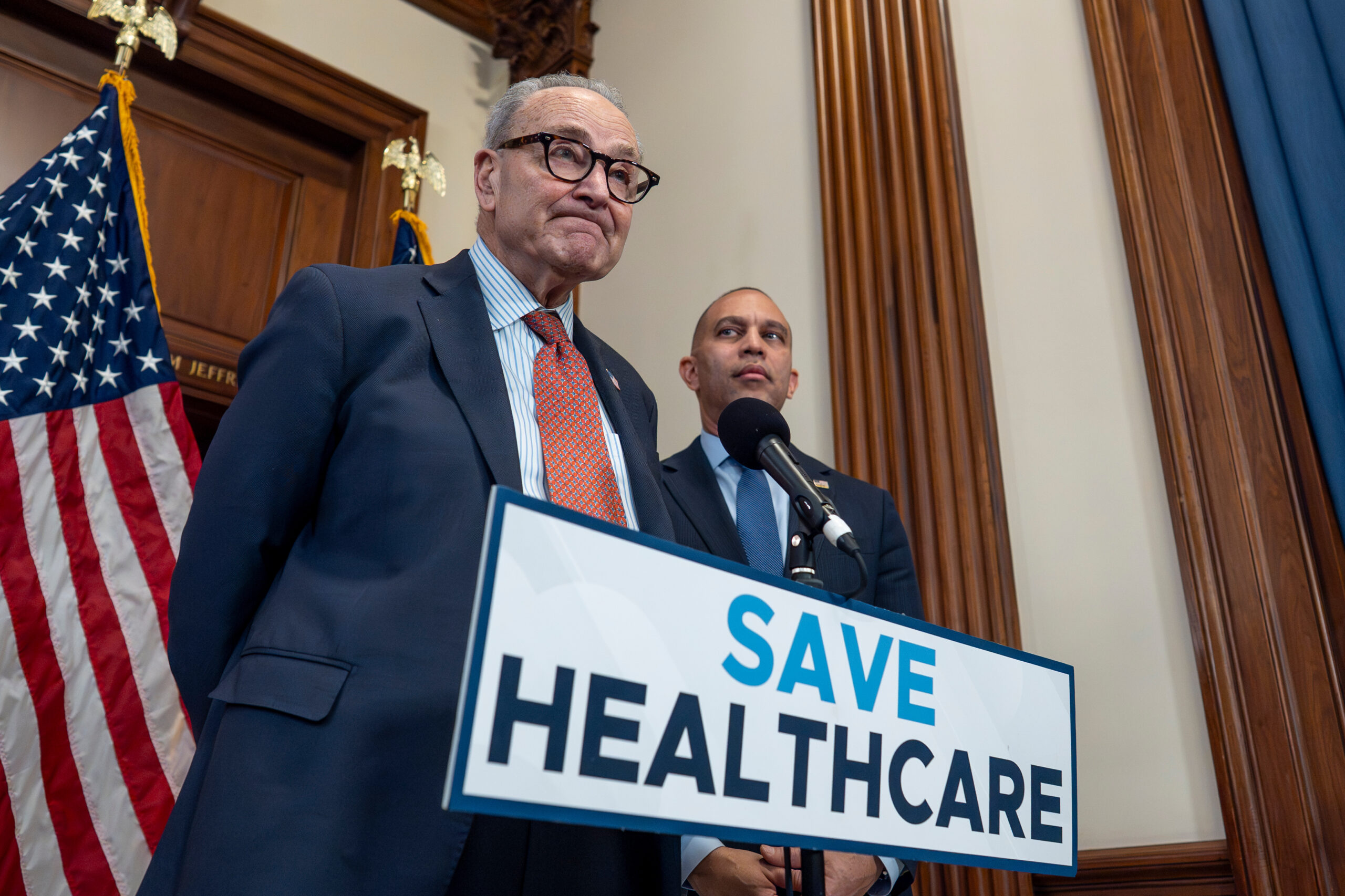
The ongoing debate over health care subsidies in the United States has taken a significant turn as the issue of abortion remains a contentious focal point. Both abortion-rights and anti-abortion groups have intensified their lobbying efforts, warning lawmakers that their decisions could have substantial consequences in the upcoming midterm elections on November 8, 2024. This pressure underscores the political ramifications of not aligning with either side of the heated debate.
Abortion-rights advocates, including groups such as Planned Parenthood, are urging Congress to maintain and expand health care subsidies that support reproductive health services. They argue that access to these services is essential for women’s health and overall well-being. In contrast, anti-abortion organizations, notably the National Right to Life Committee, are advocating for restrictions that would limit funding for any health care services linked to abortion.
The stakes are high as lawmakers navigate this complex landscape. With the midterm elections approaching, both sides are mobilizing their bases to influence the political climate. Abortion-rights groups are emphasizing that any cuts to funding could disproportionately impact low-income women who rely on these services. They assert that a failure to support health care subsidies could not only affect women’s health but also result in political backlash against incumbents who oppose their agenda.
Conversely, anti-abortion groups are prepared to unleash their influence in electoral campaigns. They contend that lawmakers who support abortion rights will face significant repercussions from voters who prioritize the sanctity of life. The message is clear: vote against their interests, and they will mobilize against you come election day.
As Congress deliberates on health care reform, the tension between these two camps is palpable. Lawmakers are increasingly aware that their decisions will resonate beyond policy implications, potentially impacting their electoral prospects. The importance of this issue is reflected in the recent polling data, which indicates that a majority of voters are closely following developments related to health care subsidies and abortion rights.
With both sides gearing up for a major electoral showdown, the resolution of the health care subsidy debate may hinge on how effectively lawmakers can balance these competing interests. As discussions continue, the implications for women’s health services and the political landscape are set to unfold in the coming months.
In summary, the battle over health care subsidies in the context of abortion rights is far from over. Lawmakers must tread carefully, as the choices they make will likely influence not only public health outcomes but also their standing with voters in the critical midterm elections. The clash between abortion-rights and anti-abortion groups is poised to shape the future of health care funding, making it a defining issue for the upcoming electoral cycle.

Urgent Rescue: Great Dane Mix Saved from Euthanasia Today

Urgent Discovery: 20,000 Dinosaur Footprints Found Near 2026 Olympics

Rev. Jesse Jackson Launches Operation PUSH: A Historic Announcement

Gradient Investments Acquires 477,013 Shares in Kinder Morgan

James Cameron’s New Avatar Film Set to Capture Box Office Glory

Study Reveals Genetic Links Between Roommates and Gut Microbes

Twinkly Awards 2025: Celebrating Central Florida’s Best Holiday Displays

FBI’s Dan Bongino Announces Departure; Oscars Move to YouTube

Research Reveals 74% of Western US Faces Wildfire Risks

Ohio State Study Uncovers Brain Connectivity and Function Links

University of Hawaiʻi Joins $25.6M AI Project for Disaster Monitoring

ALMA Discovers Companion Orbiting Giant Star π 1 Gruis

Hamas Chief Stresses Disarmament Tied to Occupation’s End

Megan Thee Stallion Exposes Alleged Online Attack by Bots

F-22 Raptor vs. Su-57 Felon: A 2025 Fighter Jet Comparison

Innovator Captures Light at 2 Billion Frames Per Second

Paloma Elsesser Shines at LA Event with Iconic Slicked-Back Bun

Researchers Challenge 200-Year-Old Physics Principle with Atomic Engines
-
 Science2 months ago
Ohio State Study Uncovers Brain Connectivity and Function Links
-
Science2 months ago
University of Hawaiʻi Joins $25.6M AI Project for Disaster Monitoring
-
 Science1 month ago
ALMA Discovers Companion Orbiting Giant Star π 1 Gruis
-
 Politics2 months ago
Hamas Chief Stresses Disarmament Tied to Occupation’s End
-
 Entertainment2 months ago
Megan Thee Stallion Exposes Alleged Online Attack by Bots
-
 World2 months ago
F-22 Raptor vs. Su-57 Felon: A 2025 Fighter Jet Comparison
-
 Science2 months ago
Innovator Captures Light at 2 Billion Frames Per Second
-
 Entertainment2 months ago
Paloma Elsesser Shines at LA Event with Iconic Slicked-Back Bun
-
 Science2 months ago
Researchers Challenge 200-Year-Old Physics Principle with Atomic Engines
-
 World2 months ago
FDA Unveils Plan to Cut Drug Prices and Boost Biosimilars
-

 Business2 months ago
Motley Fool Wealth Management Reduces Medtronic Holdings by 14.7%
-

 Top Stories2 months ago
Federal Agents Detain Driver in Addison; Protests Erupt Immediately