
Entertainment
Rachel Sennott and Odessa A’zion Discuss ‘I Love LA’ Controversy

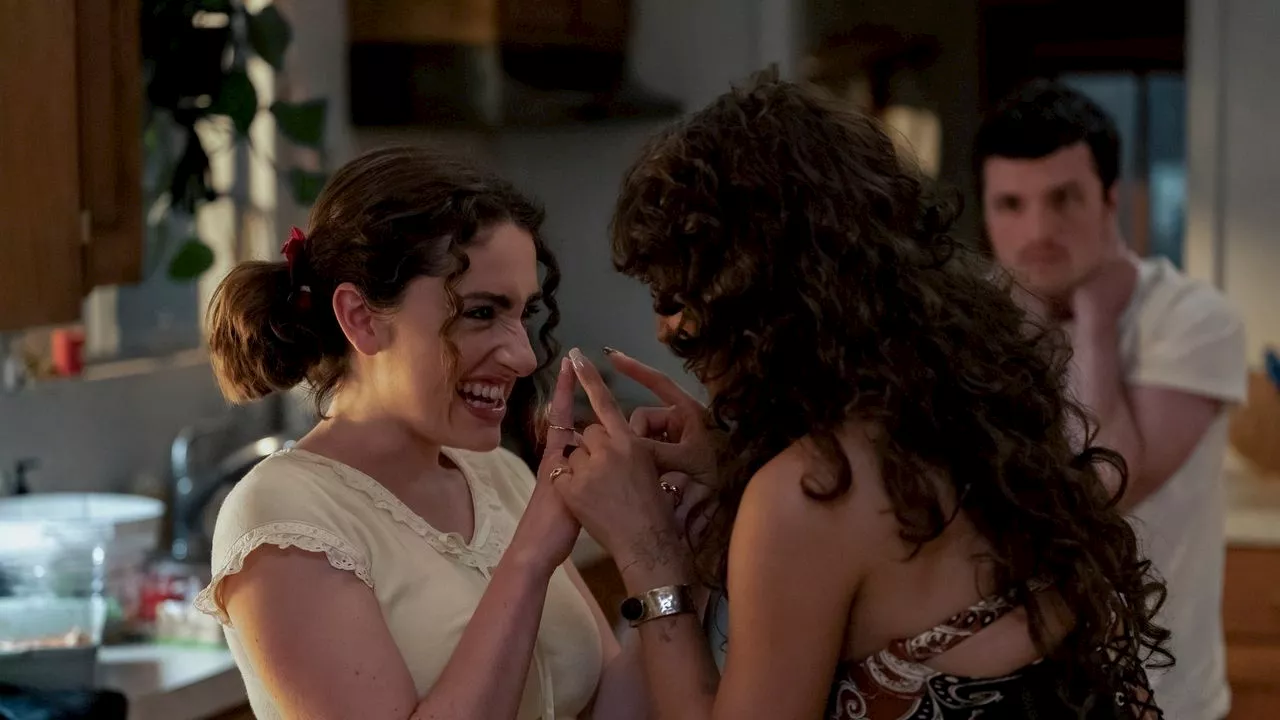
In a recent interview, Rachel Sennott and Odessa A’zion addressed the heated discussions surrounding their new HBO series, I Love LA. The show has sparked debate regarding its portrayal of toxic friendships and the complexities of young adult life in Los Angeles. Viewers are questioning whether the series normalizes gentrification or offers a genuine representation of contemporary LA culture.
Exploring Complex Characters
I Love LA revolves around the intricate dynamics between talent manager Maya and influencer Tallulah, set against a backdrop of chaotic friendships. The series features a cast that also includes Alani, a nepo baby from LA, celebrity stylist Charlie, and Maya’s boyfriend Dylan, who stands out as the only character not entrenched in the entertainment industry.
Sennott describes the show as a lens into the lives of self-absorbed yet captivating characters. “Maya and Tallulah are like two sides of myself,” she explained during an interview with Teen Vogue. “Tallulah embodies my carefree New York side, while Maya reflects the isolated, controlling aspects of my LA experience.”
The show has drawn comparisons to popular series such as Girls and Insecure, raising questions about its originality. Sennott acknowledges these influences while emphasizing her desire to create characters that spark conversation rather than simply represent moral perfection. “I would rather have an interesting character that starts conversation than a character that’s perfect,” she stated.
Character Development and Representation
Both Sennott and A’zion recognize that modern audiences often seek flawless characters, yet they argue that this expectation can detract from the richness of storytelling. “It’s important to show flawed individuals,” A’zion remarked. “I hope viewers see that our characters are just representing the complexities of real people.”
The writers’ room for I Love LA was intentionally diverse, allowing for genuine representation across different perspectives. Sennott highlighted the importance of including various viewpoints, particularly in the portrayal of Alani, the only Black lead character. “We wanted to ensure that experiences I can’t personally speak to were represented in our writers’ room,” she noted.
A’zion added that the character of Alani plays into the nepo baby trope, but with a twist. “We aimed to subvert expectations about what a nepo baby would be like,” she explained. “The reality is more nuanced, often featuring stories that are surprising and deeply personal.”
The portrayal of flawed characters resonates with audiences, allowing for a connection that is both humorous and relatable. A’zion emphasized the dual nature of her character, Tallulah, saying, “She can be selfish but is also a loyal friend. It’s this complexity that makes her real.”
As the discussions surrounding I Love LA continue, Sennott and A’zion are keen to highlight the significance of authenticity in storytelling. The series not only reflects the chaotic landscape of young adulthood but also invites audiences to engage in the broader conversation about morality and representation in media.
Through their characters’ journeys, Sennott and A’zion aim to challenge the notion that entertainment must adhere to a conventional moral standard, ultimately celebrating the beauty in imperfection.

Researchers Urge Label Changes for Low-Alcohol Drinks to Protect Pregnant Women

Community Unites to Attempt World Record in Christmas Cookie Exchange

Agree Realty and American Assets Trust: A Comprehensive Investment Comparison

UK Universities Harness AI to Enhance Research Quality Assessment

Browns’ Mistakes Lead to 23rd Losing Season Since 1999

Trump Promises Release of MRI Results Despite Uncertainty on Scans

Mayor Appoints Alan Wong as New District 4 Supervisor Amid Controversy

South Korea Launches Urgent FX Oversight Measures to Stabilize Market

Marjorie Taylor Greene Resigns: Urgent Warning for GOP Control

Ohio State Study Uncovers Brain Connectivity and Function Links

Hamas Chief Stresses Disarmament Tied to Occupation’s End

Megan Thee Stallion Exposes Alleged Online Attack by Bots

University of Hawaiʻi Joins $25.6M AI Project for Disaster Monitoring

Researchers Challenge 200-Year-Old Physics Principle with Atomic Engines

Paloma Elsesser Shines at LA Event with Iconic Slicked-Back Bun

FDA Unveils Plan to Cut Drug Prices and Boost Biosimilars

Federal Agents Detain Driver in Addison; Protests Erupt Immediately

Motley Fool Wealth Management Reduces Medtronic Holdings by 14.7%
-
 Science1 month ago
Ohio State Study Uncovers Brain Connectivity and Function Links
-
 Politics1 month ago
Hamas Chief Stresses Disarmament Tied to Occupation’s End
-
 Entertainment1 month ago
Megan Thee Stallion Exposes Alleged Online Attack by Bots
-
Science4 weeks ago
University of Hawaiʻi Joins $25.6M AI Project for Disaster Monitoring
-
 Science2 months ago
Researchers Challenge 200-Year-Old Physics Principle with Atomic Engines
-
 Entertainment1 month ago
Paloma Elsesser Shines at LA Event with Iconic Slicked-Back Bun
-
 World1 month ago
FDA Unveils Plan to Cut Drug Prices and Boost Biosimilars
-
 Top Stories1 month ago
Federal Agents Detain Driver in Addison; Protests Erupt Immediately
-
 Business1 month ago
Motley Fool Wealth Management Reduces Medtronic Holdings by 14.7%
-
 Entertainment1 month ago
Beloved Artist and Community Leader Gloria Rosencrants Passes Away
-

 Politics1 month ago
NHP Foundation Secures Land for 158 Affordable Apartments in Denver
-

 Science2 weeks ago
ALMA Discovers Companion Orbiting Giant Star π 1 Gruis