
Business
Trade Tariffs Drive Up Artificial Christmas Tree Prices by 30%

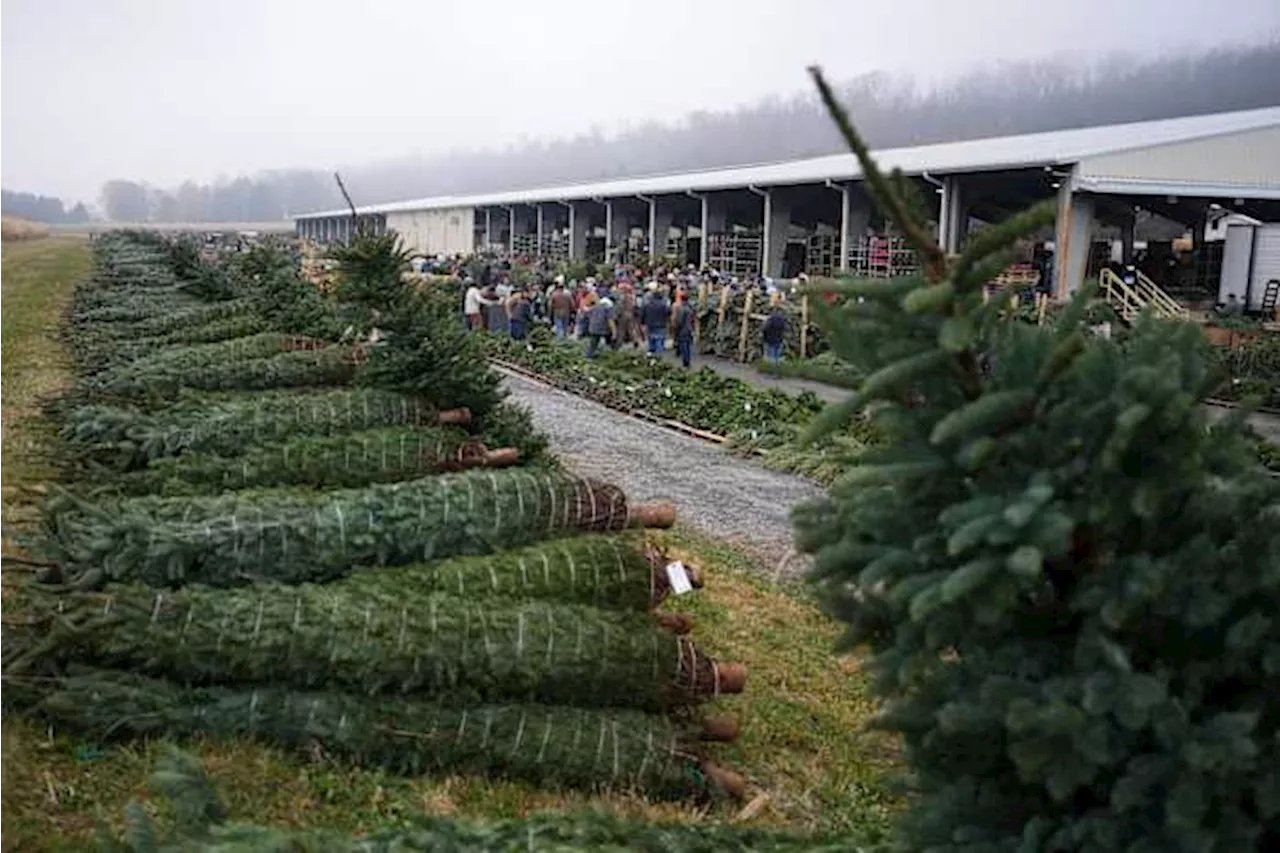
As the holiday season approaches, consumers in the United States are facing significant price increases on artificial Christmas trees due to ongoing trade tariffs. Industry leaders estimate that costs for these popular holiday decorations have surged by approximately 30%, which could alter shopping choices for millions of families. Retailers are responding by offering deeper discounts during the traditional Black Friday shopping period, hoping to attract budget-conscious customers.
Artificial Christmas trees are a staple in American homes, with 83% of households planning to display one this year. However, the industry has been adversely impacted by tariffs on imports, primarily from China, where a substantial portion of these trees is manufactured. According to Chris Butler, CEO of the National Tree Company, the current economic climate has resulted in a muted consumer response this Black Friday, which is typically one of their busiest sales periods.
“Tariffs have been disruptive to the supply chain,” Butler explained. “It really slowed the industry down, especially when tariffs went up to 145% on goods from China.” This has led to a dramatic rise in prices, forcing companies to pass along approximately 10% of the increased costs to consumers. Despite these challenges, Butler remains optimistic that consumers will continue to purchase artificial trees, possibly opting to keep their existing trees for longer periods rather than switching to natural alternatives.
Industry Leaders Seek Relief from Tariffs
In light of the financial strain caused by these tariffs, industry leaders are actively seeking exemptions similar to those granted to certain food items not grown in the U.S. Butler pointed out that items like bananas and coffee have been exempted due to their unavailability in the country. “Our raw materials are just not available in the U.S.,” he emphasized. “While we’re not growing trees, we are certainly making them, and the materials needed to produce these trees are not readily accessible here.”
The ongoing trade tensions and their impact on consumer products have led to a broader conversation about the implications of tariffs on holiday traditions. As families prepare for the festive season, the potential for higher costs may influence their purchasing decisions, but industry representatives like Butler are hopeful for a resolution that could mitigate the financial burden on consumers.
As December approaches, many shoppers will navigate these heightened prices and consider their options carefully. With artificial Christmas trees still holding a significant place in holiday celebrations, the future of the industry may depend on both consumer resilience and the outcomes of ongoing discussions regarding tariff exemptions.

Boise State Battles UNLV Tonight for MWC Championship Glory

Millville Woman Arrested for Threatening U-Haul Worker with Baton

Japan’s PM Takaichi Commits to Fiscal Management Amid Rising Rates

Bitcoin Plummets to $87K Amid Tether Concerns – Urgent Update

Tottenville Falls to Erasmus Hall in PSAL 4A Championship, 34-27

Stanford Study Reveals Shark Teeth Clues to Prevent Extinction

Englewood Church Members Unite After Thanksgiving Fire Devastation

Researchers Urge Label Changes for Low-Alcohol Drinks to Protect Pregnant Women

Community Unites to Attempt World Record in Christmas Cookie Exchange

Ohio State Study Uncovers Brain Connectivity and Function Links

Hamas Chief Stresses Disarmament Tied to Occupation’s End

Megan Thee Stallion Exposes Alleged Online Attack by Bots

University of Hawaiʻi Joins $25.6M AI Project for Disaster Monitoring

Researchers Challenge 200-Year-Old Physics Principle with Atomic Engines

Paloma Elsesser Shines at LA Event with Iconic Slicked-Back Bun

FDA Unveils Plan to Cut Drug Prices and Boost Biosimilars

Federal Agents Detain Driver in Addison; Protests Erupt Immediately

Motley Fool Wealth Management Reduces Medtronic Holdings by 14.7%
-
 Science1 month ago
Ohio State Study Uncovers Brain Connectivity and Function Links
-
 Politics1 month ago
Hamas Chief Stresses Disarmament Tied to Occupation’s End
-
 Entertainment1 month ago
Megan Thee Stallion Exposes Alleged Online Attack by Bots
-
Science4 weeks ago
University of Hawaiʻi Joins $25.6M AI Project for Disaster Monitoring
-
 Science2 months ago
Researchers Challenge 200-Year-Old Physics Principle with Atomic Engines
-
 Entertainment1 month ago
Paloma Elsesser Shines at LA Event with Iconic Slicked-Back Bun
-
 World1 month ago
FDA Unveils Plan to Cut Drug Prices and Boost Biosimilars
-
 Top Stories1 month ago
Federal Agents Detain Driver in Addison; Protests Erupt Immediately
-
 Business1 month ago
Motley Fool Wealth Management Reduces Medtronic Holdings by 14.7%
-

 Entertainment1 month ago
Beloved Artist and Community Leader Gloria Rosencrants Passes Away
-

 Politics1 month ago
NHP Foundation Secures Land for 158 Affordable Apartments in Denver
-

 Science2 weeks ago
ALMA Discovers Companion Orbiting Giant Star π 1 Gruis