
World
New York Approves $1 Billion Undersea Pipeline to Power Homes

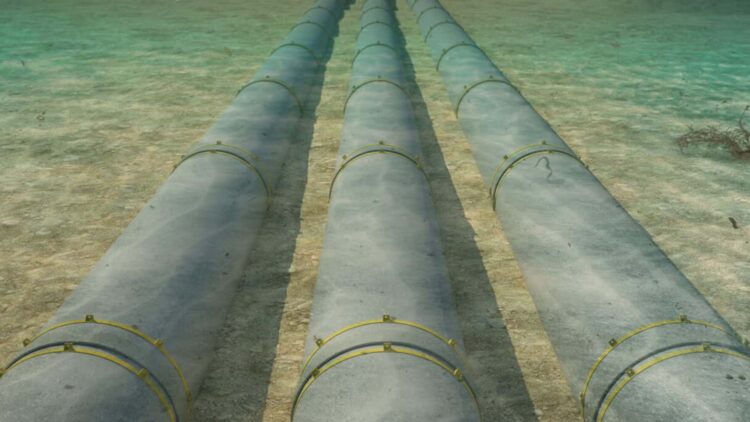
New York state has officially approved a significant energy project, investing $1 billion in an undersea pipeline designed to deliver natural gas to approximately 2.3 million homes. The project, known as the Northeast Supply Enhancement (NESE), will span about 37 miles beneath the seabed, transporting natural gas from Pennsylvania to New Jersey. This initiative is seen as a response to the region’s growing energy demands, particularly during the winter months when consumption peaks.
The NESE project is expected to generate $1.8 billion in revenue, largely stemming from job creation and economic activity during its construction phase. Proponents argue that it will help stabilize or reduce energy prices, an essential consideration given the recent surge in natural gas costs and concerns about supply disruptions. For many in the construction and energy sectors, NESE represents a promising opportunity for employment and economic stability.
Controversy Surrounding the Pipeline
Despite the projected benefits, the approval of the NESE project has sparked considerable debate. Critics, including Manhattan State Senator Liz Krueger, have expressed strong opposition, labeling the decision as a “perverse” move that contradicts the state’s climate objectives. Senator Krueger referred to the project as an “environmental nightmare,” emphasizing that investing in fossil fuel infrastructure undermines efforts to combat climate change.
Opponents of the pipeline point out that constructing a new natural gas line at this juncture sends a conflicting message about the urgency of transitioning to renewable energy sources. They argue that committing $1 billion to fossil fuels is a regressive step, especially when the understanding of greenhouse gas emissions and their role in climate change has become more apparent. The NESE project had previously been rejected three times, and its approval has raised concerns about reversing progress made in clean energy initiatives.
Balancing Immediate Needs with Climate Goals
The NESE project highlights a complex challenge faced by many regions: how to balance immediate energy needs with long-term sustainability goals. Energy is crucial for powering hospitals, schools, and households, and fluctuations in supply or price can have immediate impacts on communities. The decision to move forward with the pipeline will likely depend on individual perspectives regarding the trade-offs between short-term energy reliability and long-term climate commitments.
Supporters of the NESE project contend that having a reliable energy source can coexist with the transition to renewable energy. They suggest that the pipeline could serve as a bridge, maintaining energy stability while more significant shifts towards clean energy are implemented. If managed responsibly, with stringent environmental safeguards, NESE may provide a temporary solution while enabling the continued development of sustainable energy alternatives.
As the energy landscape evolves, the implications of this $1 billion investment will unfold in the coming years. The debate surrounding the NESE project underscores the ongoing struggle between meeting current energy demands and prioritizing a sustainable future.

Urgent Swatting Incident Ties Up Emergency Resources in Alabama

Urgent Tax Alert: Claim Your Deductions Before April 15!

Scientists Investigate Cosmic Defects: Where Are They Now?

Spring Bocce Leagues Open Registration in Rapid City

CALV Offers Essential Communication Class for Real Estate Pros

Samsung Galaxy Watch 9 Set for Larger 435mAh Battery Upgrade

Healthy Choice Wellness Reports Earnings, Stock Sees Uptick

Prince Harry Claims to Be ‘Antidote to Andrew’ Amid Royal Crisis

Pet Owners Weigh Kibble Against Fresh Dog Food Options

ALMA Discovers Companion Orbiting Giant Star π 1 Gruis

U.S. Visa Rescheduling Hits H‐1B Applicants as New Vetting Rules Take Effect

University of Hawaiʻi Joins $25.6M AI Project for Disaster Monitoring

F-22 Raptor vs. Su-57 Felon: A 2025 Fighter Jet Comparison

Recent Divorce Judgments from Iberia Parish Court Records

Ohio State Study Uncovers Brain Connectivity and Function Links

Prince Andrew Faces Fallout from Scandals and Allegations

Urgent: Flight Cancellations Loom at Texas Airports Amid Shutdown

Frank Dunn, Esteemed Builder and Community Leader, Passes Away at 89
-
 Science8 months ago
ALMA Discovers Companion Orbiting Giant Star π 1 Gruis
-
 Politics6 months ago
U.S. Visa Rescheduling Hits H‐1B Applicants as New Vetting Rules Take Effect
-
Science8 months ago
University of Hawaiʻi Joins $25.6M AI Project for Disaster Monitoring
-
 World8 months ago
F-22 Raptor vs. Su-57 Felon: A 2025 Fighter Jet Comparison
-
 Politics8 months ago
Recent Divorce Judgments from Iberia Parish Court Records
-
 Science9 months ago
Ohio State Study Uncovers Brain Connectivity and Function Links
-
 World8 months ago
Prince Andrew Faces Fallout from Scandals and Allegations
-
 Top Stories8 months ago
Urgent: Flight Cancellations Loom at Texas Airports Amid Shutdown
-
 Lifestyle8 months ago
Frank Dunn, Esteemed Builder and Community Leader, Passes Away at 89
-

 Business8 months ago
Appian Recognizes 2025 Partner Award Winners for Enterprise Innovation
-

 Entertainment6 months ago
Malachi Barton Tops Google Searches as Disney’s Rising Star of 2025
-

 Science9 months ago
Innovator Captures Light at 2 Billion Frames Per Second