
Health
Up to 50,000 Nurses May Leave UK Over Immigration Policy Changes

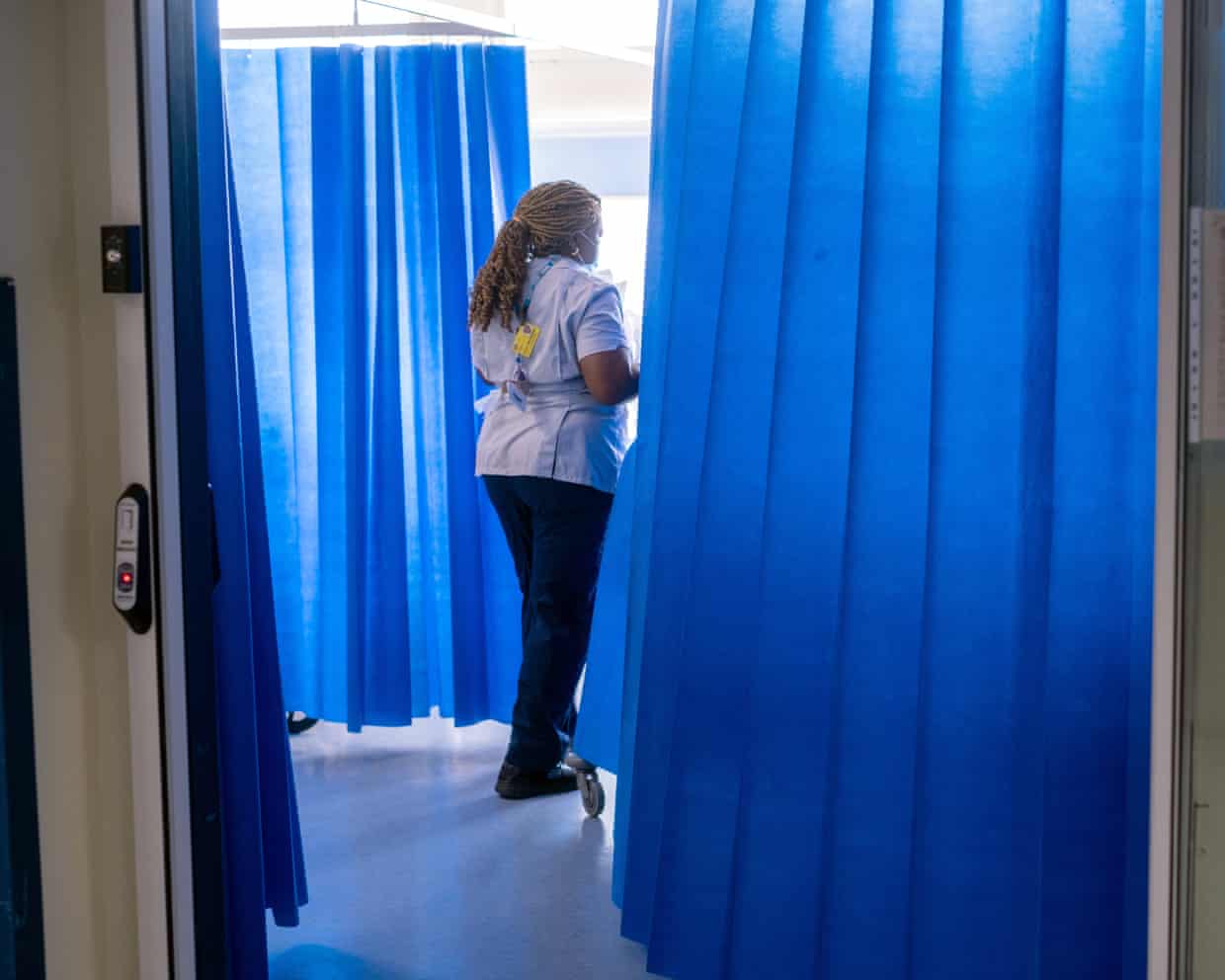
The United Kingdom faces a potential exodus of up to 50,000 nurses due to new immigration proposals put forth by the government. Research indicates that these changes could lead to the most significant workforce crisis within the National Health Service (NHS) to date. The proposals are part of a broader effort by the government to limit net migration, which includes extending the waiting period for migrants to apply for settled status from five years to ten years.
Under the proposed measures, the government plans to enforce stricter criteria for foreign workers, raising skill requirements to degree level and enhancing English language proficiency standards across all visa categories, including those for dependents. These proposals have been interpreted as a response to the growing popularity of the Reform UK party, led by Nigel Farage. A public consultation on these plans is expected to be announced shortly.
Concerns within the nursing community are mounting. Prominent nursing leaders have labeled the proposals as “immoral” and argued that they treat skilled migrants as mere “political footballs.” They warn that a mass departure of nurses will not only jeopardize patient safety but also undermine government initiatives aimed at reducing treatment waiting times.
The survey conducted by the Royal College of Nursing (RCN) revealed that the plans have caused profound distress among foreign NHS and social care staff. Currently, there are over 200,000 internationally educated nursing staff working in the UK, comprising approximately 25% of the NHS workforce, which totals around 794,000.
Alarmingly, many of these migrant workers are now contemplating leaving the UK permanently due to fears surrounding the proposed changes to indefinite leave to remain (ILR). Since 2021, 76,876 individuals have attained a visa that would grant them settled status after five years. The government’s plan to extend this duration has raised uncertainties about their future in the country.
In the RCN survey, which included responses from over 5,000 migrant nursing staff, 60% of those without ILR indicated that the proposed changes were “very likely” to influence their decision to remain in the UK. This suggests that over 46,000 nurses could potentially leave the country as a result of the new immigration policies.
Prof. Nicola Ranger, General Secretary and Chief Executive of the RCN, criticized the proposals, stating, “These proposals are not just immoral; they would be dangerous for our patients. No minister who has any interest in the success of our health and social care system would press ahead with extending the qualifying period for ILR.” She emphasized that the government must drop these plans to prevent exacerbating the NHS workforce crisis, which already struggles to meet increasing demands for care amid staff shortages.
Ranger further described the proposals as a “betrayal” of migrant nursing staff, many of whom came to the UK to support the healthcare system during and after the Covid-19 pandemic. She lamented that those who significantly contributed to the health response now face uncertainty regarding their residency and ability to access essential state support.
Without ILR, migrant nurses are restricted in their employment options, as their visas tie them to specific employers. Ranger noted that this situation has led to exploitation within the social care sector. The proposed immigration changes would also prevent these workers from accessing state benefits, such as child benefit and disability support payments, for a decade, despite their contributions through taxation.
The survey results indicate that migrant nurses are experiencing significant distress, with 53% expressing extreme concern about their financial security, 52% about the impact on their families, and 49% regarding their career prospects. The potential changes could deter future foreign workers from considering the UK as a viable option for employment. Only 11% of respondents stated they would still have migrated had the settlement route been set at ten years.
In light of these concerns, the RCN is advocating for a reduction in the application fees for ILR, which currently stand at £3,029 per person, despite an estimated processing cost of only £523. The application fee has increased significantly from £155 in 2003.
A government spokesperson acknowledged the invaluable contributions of overseas healthcare workers, stating, “We are grateful to our overseas frontline healthcare workers, who bring compassion, deliver high-quality care and strengthen our health service, but net migration must come down.” The spokesperson added that under the proposed new settlement model, individuals would have opportunities to reduce their qualifying period for settlement based on contributions to the economy and society. The government encourages health and care workers to participate in the upcoming consultation regarding these proposed changes.

Urgent Winter Weather Advisory Issued for South Central PA

ECB’s de Guindos Confirms Interest Rates Remain Steady Amidst Economic Challenges

Rolette Record Transitions Ownership to Cando Editors

Bregman Seeks Debates with Haaland Ahead of Gubernatorial Primary

University of Arizona Researchers Uncover Key to Preventing Scar Tissue

Titans Maintain Lead in 2026 NFL Draft Race as Competition Heats Up

Delta Flight Diverts to Tokyo After Hydraulic Emergency

Rolette Record Sold to Cando Men, New Ownership Takes Charge

Urgent Fire Erupts at Oklahoma City Apartments, Residents Scared

Ohio State Study Uncovers Brain Connectivity and Function Links

Hamas Chief Stresses Disarmament Tied to Occupation’s End

Megan Thee Stallion Exposes Alleged Online Attack by Bots

University of Hawaiʻi Joins $25.6M AI Project for Disaster Monitoring

Researchers Challenge 200-Year-Old Physics Principle with Atomic Engines

Paloma Elsesser Shines at LA Event with Iconic Slicked-Back Bun

FDA Unveils Plan to Cut Drug Prices and Boost Biosimilars

Federal Agents Detain Driver in Addison; Protests Erupt Immediately

Beloved Artist and Community Leader Gloria Rosencrants Passes Away
-
 Science1 month ago
Ohio State Study Uncovers Brain Connectivity and Function Links
-
 Politics1 month ago
Hamas Chief Stresses Disarmament Tied to Occupation’s End
-
 Entertainment1 month ago
Megan Thee Stallion Exposes Alleged Online Attack by Bots
-
Science4 weeks ago
University of Hawaiʻi Joins $25.6M AI Project for Disaster Monitoring
-
 Science2 months ago
Researchers Challenge 200-Year-Old Physics Principle with Atomic Engines
-
 Entertainment1 month ago
Paloma Elsesser Shines at LA Event with Iconic Slicked-Back Bun
-
 World1 month ago
FDA Unveils Plan to Cut Drug Prices and Boost Biosimilars
-
 Top Stories1 month ago
Federal Agents Detain Driver in Addison; Protests Erupt Immediately
-
 Entertainment1 month ago
Beloved Artist and Community Leader Gloria Rosencrants Passes Away
-

 Business1 month ago
Motley Fool Wealth Management Reduces Medtronic Holdings by 14.7%
-

 Politics1 month ago
NHP Foundation Secures Land for 158 Affordable Apartments in Denver
-

 Science2 weeks ago
ALMA Discovers Companion Orbiting Giant Star π 1 Gruis