
Health
Research Links Muscle Mass to Brain Health, Reducing Alzheimer’s Risk

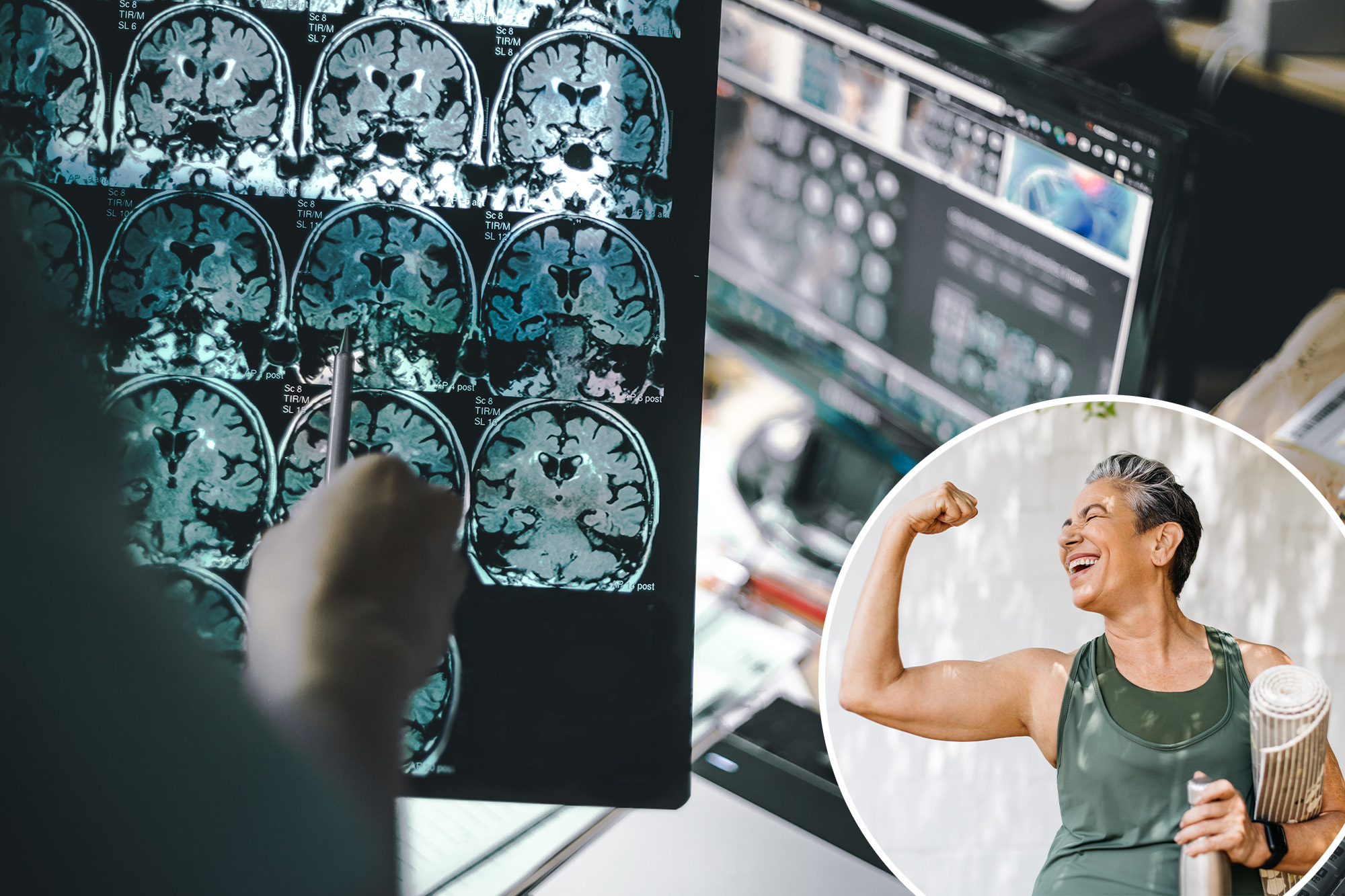
Maintaining a youthful brain may be as simple as increasing physical activity, according to new research that highlights the crucial relationship between body composition and cognitive health. A study led by Dr. Cyrus Raji, a neuroimaging scientist, examined over 1,164 healthy adults with an average age of 55. The findings indicate that the balance between muscle mass and visceral fat in the body significantly affects brain aging, with implications for reducing the risk of Alzheimer’s disease.
Using advanced whole-body MRI scans, the researchers gathered detailed images of muscle, brain tissue, and different types of fat, particularly focusing on visceral fat, which is located deep within the abdomen and wraps around vital organs. The team applied artificial intelligence to analyze the data, measuring each participant’s muscle and fat volume. This analysis allowed them to estimate the “brain age” of each individual based on its internal structure. A brain that appears younger than a person’s chronological age may signify better cognitive health, while an older-looking brain could indicate accelerated aging.
Dr. Raji explained that an individual’s muscle-to-visceral-fat ratio plays a critical role in determining brain age. “The participants with more muscle tended to have younger-looking brains, while those with more hidden belly fat relative to their muscle had older-looking brains,” he stated. Notably, the subcutaneous fat, which lies just beneath the skin, showed no correlation with brain aging.
Implications for Future Treatments
The study’s findings suggest that enhancing muscle mass while reducing visceral fat could serve as a practical goal for those aiming to improve brain health. Dr. Raji emphasized the importance of these biomarkers, stating, “This research validates widely held hypotheses about the association between body composition biomarkers and brain health.” He believes these insights could inform future clinical trials involving metabolic interventions and treatments for cognitive decline.
Among the potential treatments are GLP-1 medications such as Ozempic and Wegovy, which are primarily used to manage type 2 diabetes and obesity. These medications mimic hormones that the body produces to control blood sugar, appetite, and digestion. Patients often experience significant weight loss, typically ranging from 15% to 25% of their body weight. However, studies indicate that a substantial portion—up to 40%—of this weight loss may come from lean mass, including muscle, which could pose risks for frailty and negatively impact the muscle-to-visceral-fat ratio.
Dr. Raji noted that future iterations of GLP-1 medications could be designed to specifically target visceral fat while preserving muscle mass. He remarked, “Losing fat—especially visceral fat—while preserving muscle volume would have the best benefit on brain aging and brain health based on insights from our work.” The study encourages further research that quantifies brain age in relation to body composition, which could optimize dosing regimens for GLP-1s to promote better outcomes for both bodily and cognitive health.
As the research community continues to explore the connection between physical health and cognitive function, the implications of this study may pave the way for innovative approaches to prevent or delay the onset of neurodegenerative diseases like Alzheimer’s. With a clearer understanding of how body composition affects brain health, individuals may be empowered to take proactive steps towards maintaining cognitive vitality throughout their lives.

Stanford Study Reveals Shark Teeth Clues to Prevent Extinction

Englewood Church Members Unite After Thanksgiving Fire Devastation

Researchers Urge Label Changes for Low-Alcohol Drinks to Protect Pregnant Women

Community Unites to Attempt World Record in Christmas Cookie Exchange

Agree Realty and American Assets Trust: A Comprehensive Investment Comparison

UK Universities Harness AI to Enhance Research Quality Assessment

Browns’ Mistakes Lead to 23rd Losing Season Since 1999

Trump Promises Release of MRI Results Despite Uncertainty on Scans

Mayor Appoints Alan Wong as New District 4 Supervisor Amid Controversy

Ohio State Study Uncovers Brain Connectivity and Function Links

Hamas Chief Stresses Disarmament Tied to Occupation’s End

Megan Thee Stallion Exposes Alleged Online Attack by Bots

University of Hawaiʻi Joins $25.6M AI Project for Disaster Monitoring

Researchers Challenge 200-Year-Old Physics Principle with Atomic Engines

Paloma Elsesser Shines at LA Event with Iconic Slicked-Back Bun

FDA Unveils Plan to Cut Drug Prices and Boost Biosimilars

Federal Agents Detain Driver in Addison; Protests Erupt Immediately

Beloved Artist and Community Leader Gloria Rosencrants Passes Away
-
 Science1 month ago
Ohio State Study Uncovers Brain Connectivity and Function Links
-
 Politics1 month ago
Hamas Chief Stresses Disarmament Tied to Occupation’s End
-
 Entertainment1 month ago
Megan Thee Stallion Exposes Alleged Online Attack by Bots
-
Science4 weeks ago
University of Hawaiʻi Joins $25.6M AI Project for Disaster Monitoring
-
 Science2 months ago
Researchers Challenge 200-Year-Old Physics Principle with Atomic Engines
-
 Entertainment1 month ago
Paloma Elsesser Shines at LA Event with Iconic Slicked-Back Bun
-
 World1 month ago
FDA Unveils Plan to Cut Drug Prices and Boost Biosimilars
-
 Top Stories1 month ago
Federal Agents Detain Driver in Addison; Protests Erupt Immediately
-
 Entertainment1 month ago
Beloved Artist and Community Leader Gloria Rosencrants Passes Away
-

 Business1 month ago
Motley Fool Wealth Management Reduces Medtronic Holdings by 14.7%
-

 Politics1 month ago
NHP Foundation Secures Land for 158 Affordable Apartments in Denver
-

 Science2 weeks ago
ALMA Discovers Companion Orbiting Giant Star π 1 Gruis