
World
Human Rights Watch Calls for Action to Protect ICC from Threats

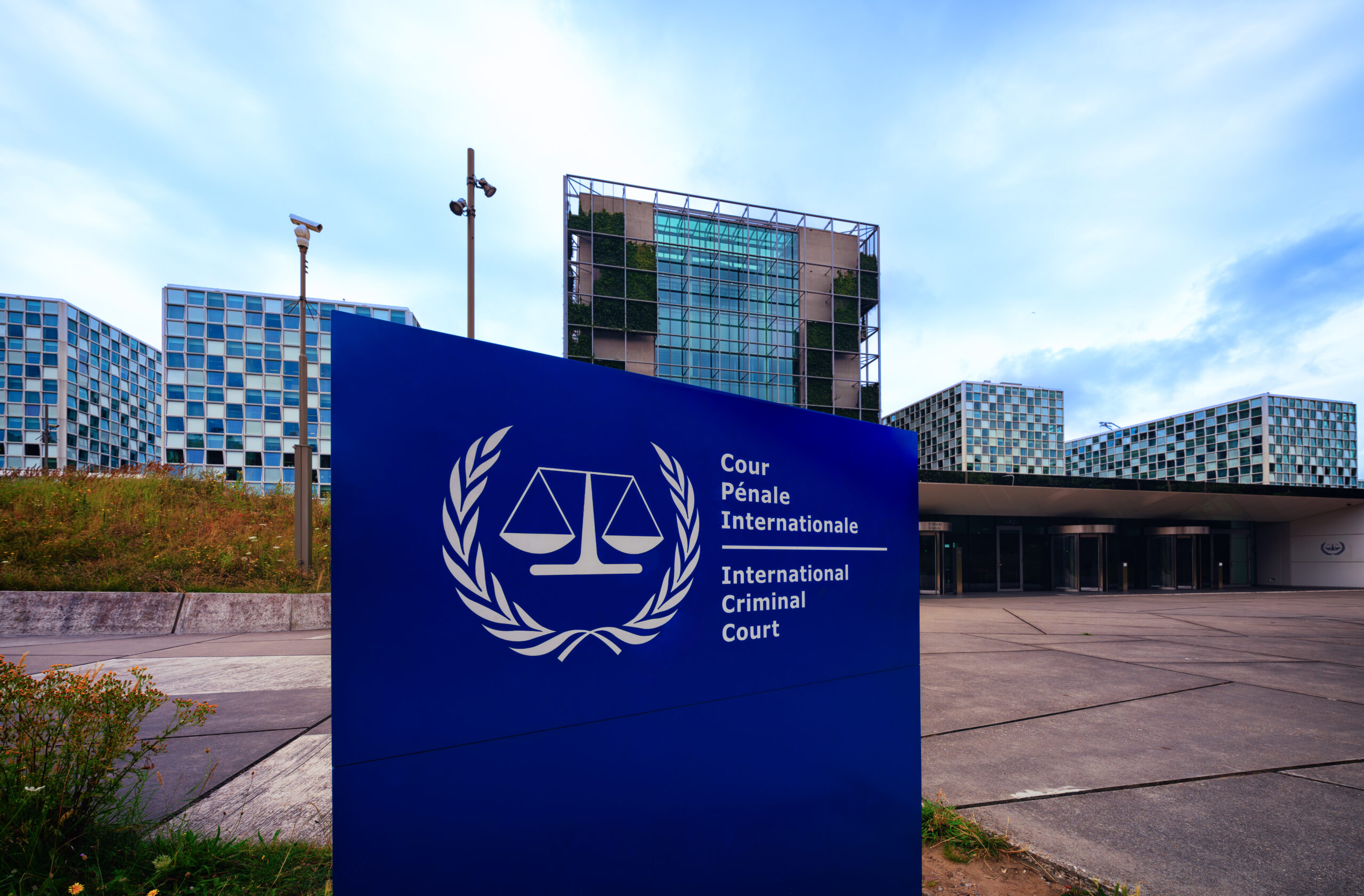
Human Rights Watch (HRW) has urged member states of the International Criminal Court (ICC) to take decisive action to protect the court from increasing threats and to combat impunity for international crimes. This call to action comes as the ICC faces a range of challenges, including sanctions and attacks from various states that seek to undermine its mandate.
In a press release issued on October 30, 2023, HRW highlighted that several States Parties have attempted to weaken the ICC’s role as a court of last resort. Notably, former President Donald Trump signed an executive order in February 2025, which authorized the freezing of assets and the imposition of sanctions against ICC officials and those supporting the court’s work. This order has led to sanctions being placed on ICC officials, a United Nations expert, and Palestinian human rights organizations.
Concerns Over U.S. Sanctions and Compliance Failures
HRW pointed out that U.S. sanctions could significantly hinder the ICC’s objective to prevent impunity. Financial institutions often comply with these sanctions, resulting in potential funding losses and restricted access to banking services for the court. In an effort to counteract these effects, HRW has recommended that the European Union (EU) implement its blocking statute, which prevents the extraterritorial application of laws from third countries that contradict international law.
Another pressing issue involves the failure of States Parties to arrest and surrender individuals against whom the ICC has issued arrest warrants. For example, Hungary did not detain Benjamin Netanyahu, the Prime Minister of Israel, during his visit to Budapest in April 2025. Following this incident, Hungary formally withdrew from the ICC on June 2, 2025, with the withdrawal set to take effect on June 2, 2026. Additionally, Burkina Faso, Niger, and Mali announced plans to withdraw in September 2025.
In a related matter, the government of Vladimir Putin in Russia has issued arrest warrants against ICC officials in retaliation for the warrants issued against Putin and Russian Foreign Minister Sergey Lavrov. The court has also recently experienced a second significant cyberattack, raising further concerns about its operational integrity.
“Government efforts to undermine the ICC reflect broader attacks on the global rule of law, aiming to disable institutions that seek to hold those responsible for the worst crimes to account,” stated Liz Evenson, HRW’s International Justice Director.
Achievements Amidst Challenges
Despite these ongoing threats, HRW emphasized that the ICC has continued to make significant strides in international justice. Notably, in March 2025, the Philippines arrested and surrendered former President Rodrigo Duterte, who faces charges of crimes against humanity linked to the country’s controversial “war on drugs.” The ICC has also delivered landmark judgments concerning situations in the Central African Republic and Darfur.
On July 24, 2025, the ICC convicted two senior leaders of the Anti-Balaka movement for numerous war crimes and crimes against humanity committed in Bangui and surrounding areas. Furthermore, on October 6, 2025, the court found Ali Muhammad Ali Abd-Al-Rahman, a former militia leader, guilty of 27 counts of crimes against humanity and war crimes in Darfur.
The upcoming Assembly of States Parties (ASP), scheduled for December 1 to 6, 2025, in The Hague, Netherlands, will primarily address issues of non-compliance among ICC States Parties. HRW’s Evenson stressed the importance of the ICC, noting that it “remains the court of last resort for thousands of victims and their families who have nowhere else to turn.”
The ICC, established in 2002, holds jurisdiction over individuals accused of committing international crimes defined in the Rome Statute, including war crimes, crimes against humanity, and genocide. As the court faces mounting challenges, the support and action from its member states will be crucial in ensuring its continued effectiveness and integrity.

ECB’s Nagel Confirms Eurozone Inflation Near Target, Growth Ahead

Google Engineer Shares Urgent Tips for Transitioning to AI Roles

Rising Stars: Achane and Irving Dominate Fantasy Football Rankings

Human Rights Watch Calls for Action to Protect ICC from Threats

Financial Stress Disrupts Sleep for Many Workers, Study Finds

TNA Set to Secure New TV Deal with AMC Starting January 2026

Obesity Linked to Accelerated Alzheimer’s Development in Study

Community Unites for Giving Tuesday to Support Local Families

Urgent: Firefighter Injured as 5-Alaram Blaze Devastates Queens Homes

Ohio State Study Uncovers Brain Connectivity and Function Links

Hamas Chief Stresses Disarmament Tied to Occupation’s End

Megan Thee Stallion Exposes Alleged Online Attack by Bots

University of Hawaiʻi Joins $25.6M AI Project for Disaster Monitoring

Researchers Challenge 200-Year-Old Physics Principle with Atomic Engines

Paloma Elsesser Shines at LA Event with Iconic Slicked-Back Bun

FDA Unveils Plan to Cut Drug Prices and Boost Biosimilars

Federal Agents Detain Driver in Addison; Protests Erupt Immediately

Motley Fool Wealth Management Reduces Medtronic Holdings by 14.7%
-
 Science1 month ago
Ohio State Study Uncovers Brain Connectivity and Function Links
-
 Politics1 month ago
Hamas Chief Stresses Disarmament Tied to Occupation’s End
-
 Entertainment1 month ago
Megan Thee Stallion Exposes Alleged Online Attack by Bots
-
Science4 weeks ago
University of Hawaiʻi Joins $25.6M AI Project for Disaster Monitoring
-
 Science2 months ago
Researchers Challenge 200-Year-Old Physics Principle with Atomic Engines
-
 Entertainment1 month ago
Paloma Elsesser Shines at LA Event with Iconic Slicked-Back Bun
-
 World1 month ago
FDA Unveils Plan to Cut Drug Prices and Boost Biosimilars
-
 Top Stories1 month ago
Federal Agents Detain Driver in Addison; Protests Erupt Immediately
-
 Business1 month ago
Motley Fool Wealth Management Reduces Medtronic Holdings by 14.7%
-

 Entertainment1 month ago
Beloved Artist and Community Leader Gloria Rosencrants Passes Away
-

 Science3 weeks ago
ALMA Discovers Companion Orbiting Giant Star π 1 Gruis
-

 Politics2 months ago
NHP Foundation Secures Land for 158 Affordable Apartments in Denver