
Top Stories
Coast Guard’s Controversial Policy Shift on Hate Symbols Sparks Outcry

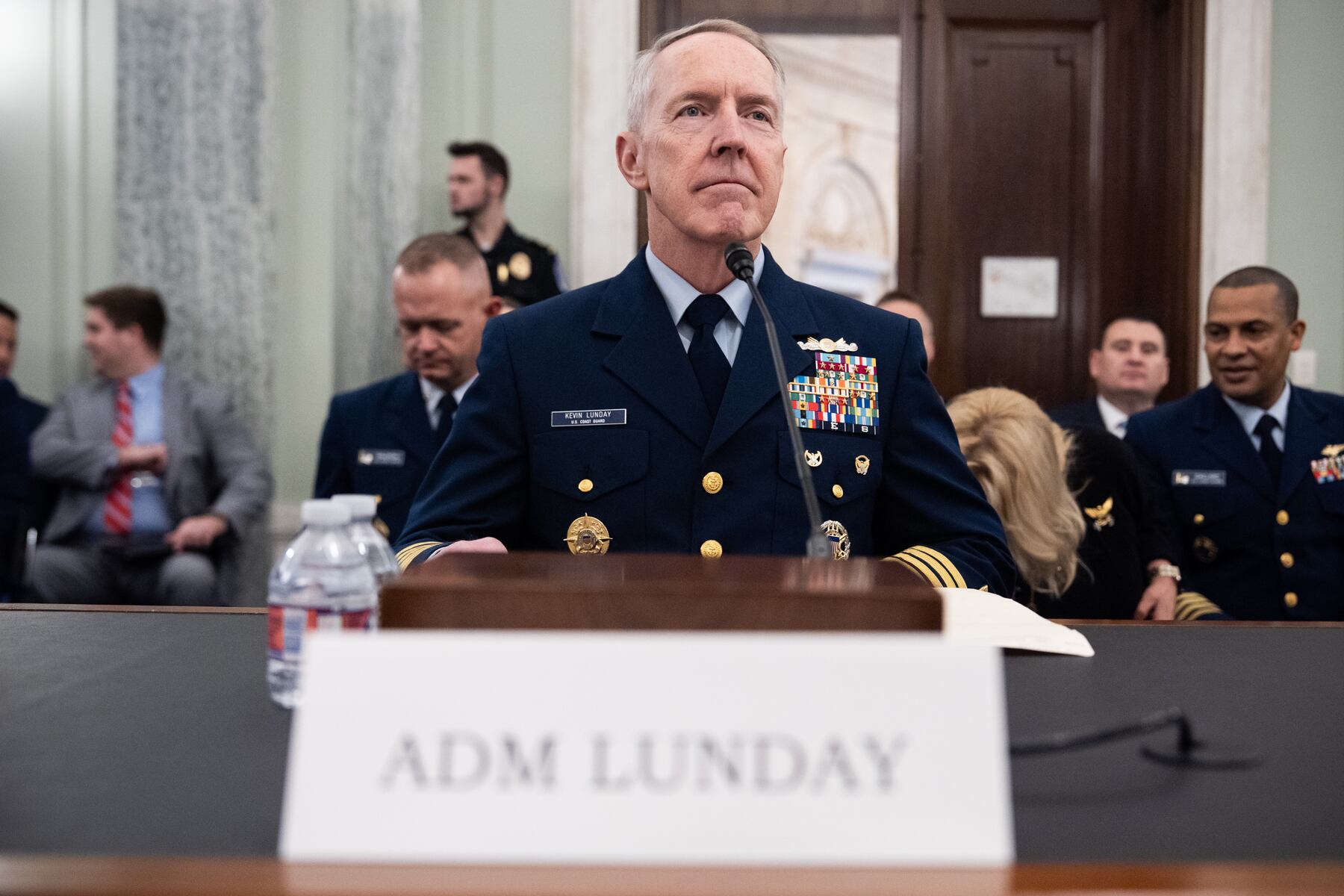
UPDATE: The U.S. Coast Guard is set to implement a controversial policy change regarding the display of hate symbols, including swastikas and nooses, effective December 15. This shift has ignited significant backlash from lawmakers and advocacy groups who fear it could undermine efforts to combat hate crimes.
In a recent announcement, the Coast Guard stated that symbols previously labeled as “hate incidents” will now be considered “potentially divisive.” This marks a striking departure from former Commandant Karl Schultz‘s 2020 guidance, which strongly condemned such symbols as “widely identified with oppression or hatred.”
Senator Jacky Rosen of Nevada has expressed grave concerns, stating, “This updated policy rolls back important protections against bigotry and could allow for horrifically hateful symbols like swastikas and nooses to be inexplicably permitted to be displayed.” As antisemitism surges globally, she warns that relaxing these policies sends a dangerous message to Coast Guard personnel and jeopardizes their safety.
Coast Guard officials, including acting Commandant Admiral Kevin Lunday, have defended the policy, asserting that it does not reverse existing prohibitions. “These symbols have been and remain prohibited in the Coast Guard per policy,” Lunday stated. He emphasized that any display of such symbols will be investigated and met with severe consequences.
The new guidance continues to restrict the public display of the Confederate flag but does not explicitly ban other “potentially divisive” symbols. Commanders will have the authority to remove these symbols if they negatively impact unit morale or discipline.
This policy change comes amid broader discussions within the military about definitions of harassment and bullying, following a directive from Defense Secretary Pete Hegseth for a review of policies deemed “overly broad.” While the Pentagon has not clarified if similar adjustments will occur service-wide, the Coast Guard’s decision aligns with ongoing efforts to standardize military policies.
The implications of this policy shift extend beyond the Coast Guard, raising questions about the treatment of hate symbols across the armed forces. As public outcry continues, all eyes will be on how this policy affects the morale and safety of Coast Guard members and whether further adjustments will follow.
As this situation develops, it is crucial for the public and lawmakers to stay informed about the Coast Guard’s stance on hate and divisive symbols. The community’s response to this policy change could shape future military guidelines and impact the fight against hate in America.

Urgent Need Grows for Foster Homes as 470 Kids Await Care

Fed Chair Powell to Speak Tonight, No Policy Insights Expected

NSW Mandates 6-Hour Shutdown for Pokies Starting March 2026

New Insights into ‘Covert Consciousness’ Unveiled by Pitt Study

Missouri Sportsbook Launches with Caesars’ Welcome Bonus Offer

Oxford University Press Declares “Rage Bait” Word of the Year 2025

Wall Street Analysts Upgrade Revolve Group Stock Ratings

Celebrating Iconic Birthdays: Bette Midler Turns 80 Today

Urgent Update: Delight in Ding Dong Cake – A Sweet Crowd Pleaser

Ohio State Study Uncovers Brain Connectivity and Function Links

Hamas Chief Stresses Disarmament Tied to Occupation’s End

Megan Thee Stallion Exposes Alleged Online Attack by Bots

University of Hawaiʻi Joins $25.6M AI Project for Disaster Monitoring

Researchers Challenge 200-Year-Old Physics Principle with Atomic Engines

Paloma Elsesser Shines at LA Event with Iconic Slicked-Back Bun

FDA Unveils Plan to Cut Drug Prices and Boost Biosimilars

Federal Agents Detain Driver in Addison; Protests Erupt Immediately

Motley Fool Wealth Management Reduces Medtronic Holdings by 14.7%
-
 Science1 month ago
Ohio State Study Uncovers Brain Connectivity and Function Links
-
 Politics1 month ago
Hamas Chief Stresses Disarmament Tied to Occupation’s End
-
 Entertainment1 month ago
Megan Thee Stallion Exposes Alleged Online Attack by Bots
-
Science4 weeks ago
University of Hawaiʻi Joins $25.6M AI Project for Disaster Monitoring
-
 Science2 months ago
Researchers Challenge 200-Year-Old Physics Principle with Atomic Engines
-
 Entertainment1 month ago
Paloma Elsesser Shines at LA Event with Iconic Slicked-Back Bun
-
 World1 month ago
FDA Unveils Plan to Cut Drug Prices and Boost Biosimilars
-
 Top Stories1 month ago
Federal Agents Detain Driver in Addison; Protests Erupt Immediately
-
 Business1 month ago
Motley Fool Wealth Management Reduces Medtronic Holdings by 14.7%
-

 Entertainment1 month ago
Beloved Artist and Community Leader Gloria Rosencrants Passes Away
-

 Politics1 month ago
NHP Foundation Secures Land for 158 Affordable Apartments in Denver
-

 Science2 weeks ago
ALMA Discovers Companion Orbiting Giant Star π 1 Gruis