
Science
Webb Telescope Discovers Rapidly Growing Black Hole in Early Universe

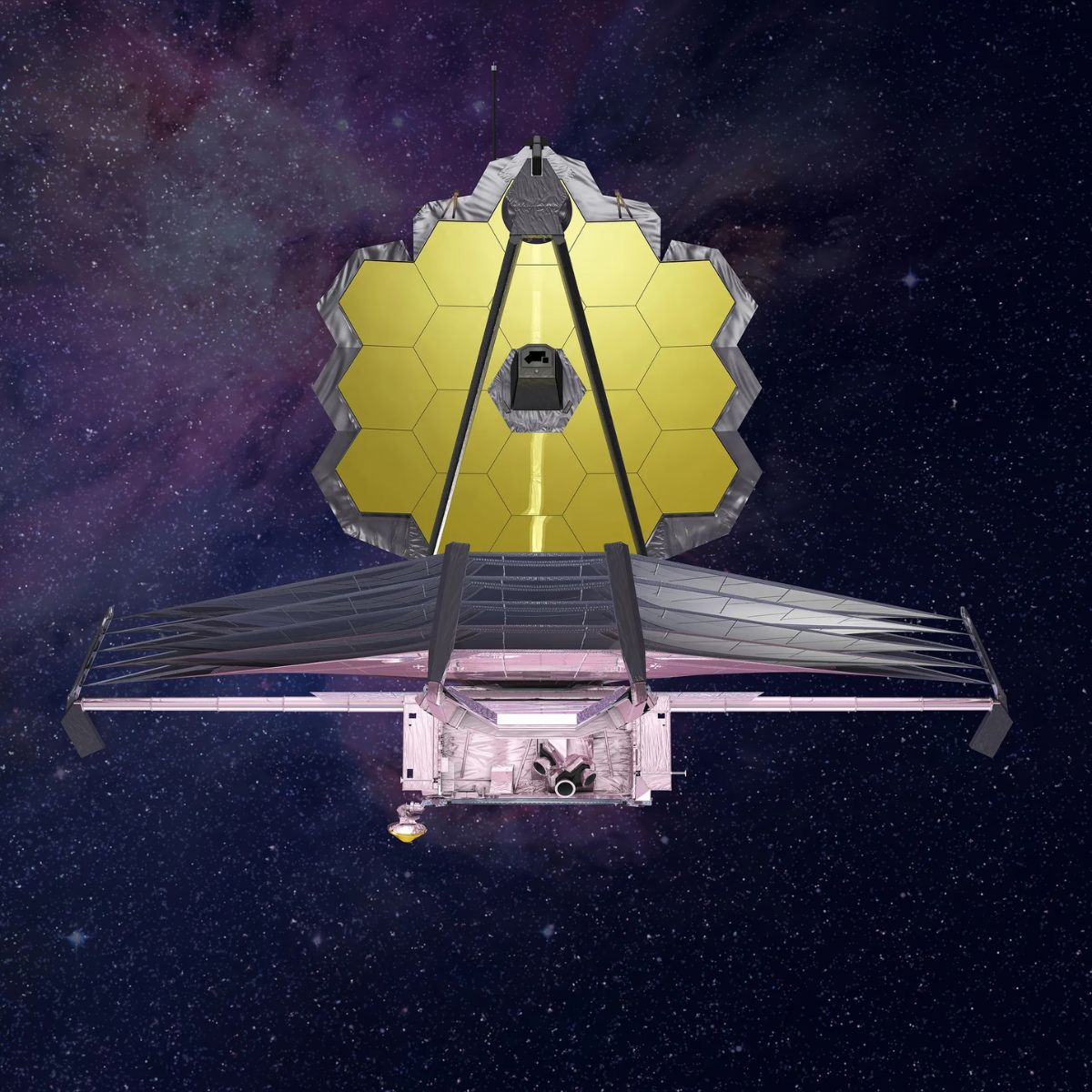
The James Webb Space Telescope has identified a supermassive black hole that is growing at an unprecedented rate in the early universe. This discovery offers new insights into the formation and evolution of black holes, challenging previous understanding of how these cosmic giants develop. The findings were reported by the European Space Agency (ESA) on October 12, 2023.
Significance of the Discovery
Located in a galaxy approximately 1.5 billion years after the Big Bang, this black hole is notable for its rapid growth. Researchers estimate that it has a mass equivalent to over a billion times that of our Sun, which raises questions about the conditions that allowed such massive growth in the early universe. The speed at which this black hole is accumulating mass suggests that it may have formed through unique processes not yet understood by scientists.
The black hole was observed in a galaxy that has not been fully studied before, making this discovery especially significant. It indicates that supermassive black holes may have been more common in the early universe than previously thought. The implications for our understanding of cosmic evolution are profound, as they suggest that the formation of these black holes could have occurred much earlier than current models predict.
How the Discovery Was Made
This groundbreaking observation was made possible by the advanced capabilities of the James Webb Space Telescope, which is known for its ability to capture light from the earliest epochs of the universe. The telescope’s powerful infrared technology allows astronomers to peer deeper into space and time than ever before. The data collected not only highlights the existence of this black hole but also provides critical information about the surrounding galaxy, including its structure and the rate of star formation.
According to the ESA, the presence of such a massive black hole so early in cosmic history could reshape our understanding of galaxy formation. It poses new questions about the relationship between black holes and their host galaxies, particularly how they influence star formation and the overall evolution of galaxies. Researchers now aim to analyze additional data from the Webb Telescope to further explore these relationships.
This discovery could lead to a reevaluation of existing theories regarding black hole formation, particularly the processes that allow such rapid growth. Understanding these mechanisms is vital for comprehending the broader dynamics of the universe during its formative years.
The findings align with ongoing efforts in astrophysics to unravel the mysteries of the cosmos. As scientists continue to gather and analyze data from the James Webb Space Telescope, more discoveries are expected, potentially revolutionizing our understanding of black holes and their role in the universe.

Austin Weather Alert: Rain Today, Sunshine This Weekend

Trump to Convene National Security Team on Venezuela Crisis Today

Thanksgiving Leftover Turkey: Experts Warn of Risky Spoilage

Hong Kong Blaze Death Toll Reaches 151; 13 Arrested for Manslaughter

U.S. Junior Team Roster Unveiled: Proctor Goalie A.J. Reyelts in the Mix

Evanescence Announces 2026 World Tour with Bay Area Date!

South Korea’s Air Premia Launches New Route to Washington D.C.

World CopperSmith and Anna Dinger Unveil Chic Kitchen Makeover

Candlelight Concerts in Upstate NY Offer 30% Discounts for Cyber Monday

Ohio State Study Uncovers Brain Connectivity and Function Links

Hamas Chief Stresses Disarmament Tied to Occupation’s End

Megan Thee Stallion Exposes Alleged Online Attack by Bots

University of Hawaiʻi Joins $25.6M AI Project for Disaster Monitoring

Researchers Challenge 200-Year-Old Physics Principle with Atomic Engines

Paloma Elsesser Shines at LA Event with Iconic Slicked-Back Bun

FDA Unveils Plan to Cut Drug Prices and Boost Biosimilars

Federal Agents Detain Driver in Addison; Protests Erupt Immediately

Motley Fool Wealth Management Reduces Medtronic Holdings by 14.7%
-
 Science1 month ago
Ohio State Study Uncovers Brain Connectivity and Function Links
-
 Politics1 month ago
Hamas Chief Stresses Disarmament Tied to Occupation’s End
-
 Entertainment1 month ago
Megan Thee Stallion Exposes Alleged Online Attack by Bots
-
Science4 weeks ago
University of Hawaiʻi Joins $25.6M AI Project for Disaster Monitoring
-
 Science2 months ago
Researchers Challenge 200-Year-Old Physics Principle with Atomic Engines
-
 Entertainment1 month ago
Paloma Elsesser Shines at LA Event with Iconic Slicked-Back Bun
-
 World1 month ago
FDA Unveils Plan to Cut Drug Prices and Boost Biosimilars
-
 Top Stories1 month ago
Federal Agents Detain Driver in Addison; Protests Erupt Immediately
-
 Business1 month ago
Motley Fool Wealth Management Reduces Medtronic Holdings by 14.7%
-

 Entertainment1 month ago
Beloved Artist and Community Leader Gloria Rosencrants Passes Away
-

 Science2 weeks ago
ALMA Discovers Companion Orbiting Giant Star π 1 Gruis
-

 Politics2 months ago
NHP Foundation Secures Land for 158 Affordable Apartments in Denver