
Science
Researchers Uncover Secrets of Armenia’s Ancient Dragon Stones

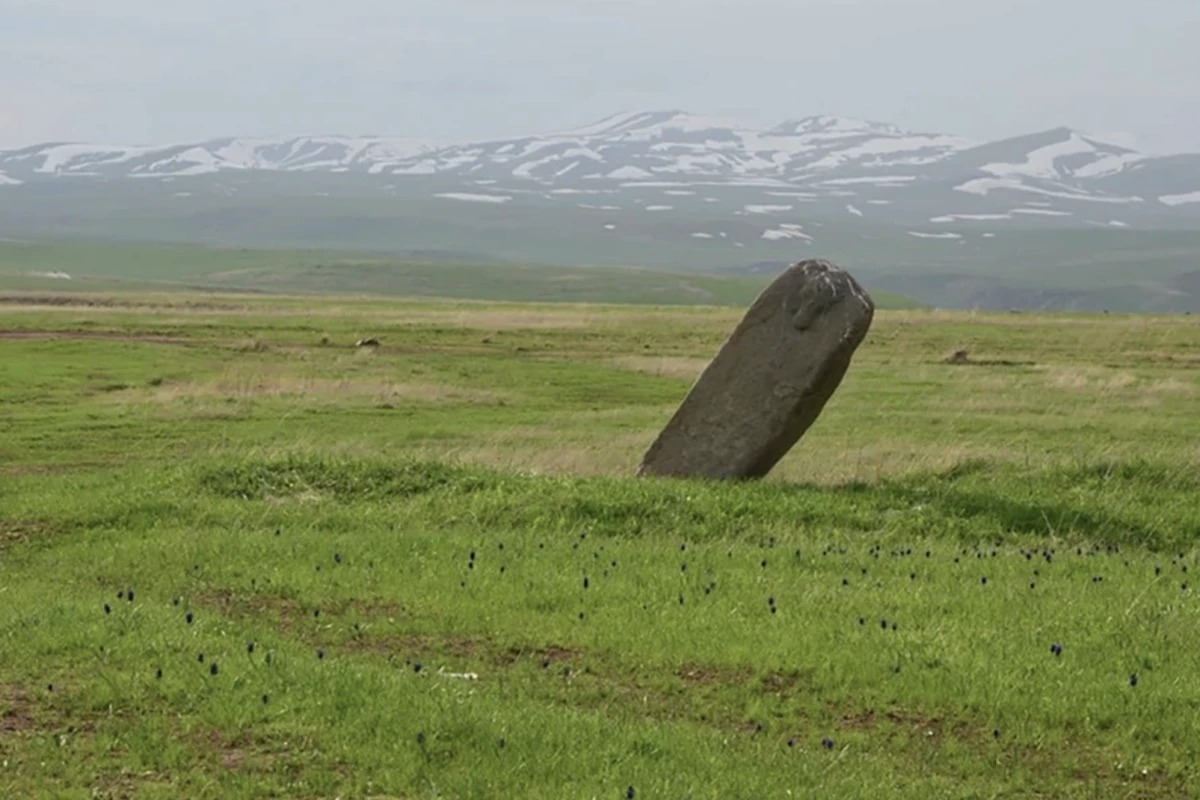
Archaeologists have made significant strides in understanding the origins of Armenia’s ancient “dragon stones,” known as vishaps. These towering carved monoliths, scattered across volcanic landscapes and high-altitude pastures, date back approximately 6,000 years. A new study from Yerevan State University and the Institute of Archaeology and Ethnography suggests that these stones were not mere territorial markers or mythical symbols, but rather integral components of an early water cult.
This research represents the first extensive statistical and spatial analysis of 115 known vishaps. The findings indicate that these monuments were strategically placed to honor water sources, such as melting snow streams and springs, which were crucial for the seasonal movement of herding communities. The dragon stones have intrigued scientists since their discovery in the 20th century, but this latest analysis provides a more profound insight into their purpose and significance.
Many of the vishaps are polished on all faces except their “tail” end, implying they were originally erected vertically. The stones display various shapes, including those reminiscent of stretched cattle hides and stylized fish, showcasing the considerable effort involved in their creation and transportation across Armenia’s challenging terrains.
Water Cult and Ritual Significance
The research highlights a clear correlation between the vishaps and the presence of water. The majority of these stones are found alongside alpine springs, volcanic craters, and even ancient irrigation channels. The authors note, “The majority of vishaps are either collapsed or placed horizontally on the ground. However, all three typological groups of vishaps exhibit carving and polishing on all faces.” This consistency suggests a deliberate upright positioning, emphasizing their monumental nature.
Utilizing techniques such as radiocarbon dating and landscape analysis, the researchers established that the vishaps are distributed at two primary altitude bands: around 1,900 meters (6,200 feet) and 2,700 meters (8,900 feet). These elevations align with distinct phases of the ancient herding cycle and demonstrate that the builders transported these massive stones to high altitudes, away from more accessible areas. This choice reflects the cultural and ritual significance attributed to water sources in these harsh environments.
At the highest elevations, the vishaps often feature fish-shaped imagery, while lower altitudes are characterized by stones resembling cow hides, aligning with agricultural water use. This pattern corresponds with the seasonal migration of herders and their livestock, further underscoring the connection between the stones and water.
Implications for Understanding Prehistoric Cultures
The meticulous placement of vishaps and the extensive labor required for their construction suggest a deep communal or spiritual motivation behind their creation. The study asserts that these monuments were more than decorative; they served as critical elements of a prehistoric water cult, indicating a reverence for water as a sacred resource. According to the authors, “The clustering of vishaps at distinct altitudes may correlate with seasonal migration patterns or pilgrimages, or both.”
Radiocarbon dating from the archaeological site of Tirinkatar on Mount Aragats dates some vishaps back to between 4200-4000 BCE, positioning this water-focused cult’s emergence significantly earlier than other megalithic traditions in Europe, such as Stonehenge, which began construction around 1,000 years later.
By emphasizing the relationship between the vishaps and water, this research provides a compelling narrative about the cultural practices of ancient communities in Armenia. The findings enhance our understanding of high-altitude archaeological sites and reveal how the beliefs and social structures of these prehistoric societies were intricately tied to their environment. As the authors conclude, “These findings enhance our understanding of high-altitude archaeological sites and the social structures that shaped prehistoric communities.”

LAPD’s Controversial Jaywalking Operation Sparks Outrage Now

19-Year-Old Arrested for Operating Juvenile Drug Delivery Service

Florida Gators 2026 Football Schedule Released Amid New Hire

Foreign Policy Shapes Future of GOP as MAGA Faces Internal Strife

Researchers Uncover Secrets of Armenia’s Ancient Dragon Stones

Stamkos Scores Four Goals as Predators Defeat Blues 7-2

NTSB Faults Southwest Airlines Captain for Near Takeoff Incident

Asian Markets Rally as Wall Street Hits Record Highs

Community Remembers S. Chris “Sonny” Nicosia, 86, Business Leader

Ohio State Study Uncovers Brain Connectivity and Function Links

Hamas Chief Stresses Disarmament Tied to Occupation’s End

University of Hawaiʻi Joins $25.6M AI Project for Disaster Monitoring

Megan Thee Stallion Exposes Alleged Online Attack by Bots

ALMA Discovers Companion Orbiting Giant Star π 1 Gruis

Researchers Challenge 200-Year-Old Physics Principle with Atomic Engines

Paloma Elsesser Shines at LA Event with Iconic Slicked-Back Bun

FDA Unveils Plan to Cut Drug Prices and Boost Biosimilars

Motley Fool Wealth Management Reduces Medtronic Holdings by 14.7%
-
 Science2 months ago
Ohio State Study Uncovers Brain Connectivity and Function Links
-
 Politics2 months ago
Hamas Chief Stresses Disarmament Tied to Occupation’s End
-
Science1 month ago
University of Hawaiʻi Joins $25.6M AI Project for Disaster Monitoring
-
 Entertainment2 months ago
Megan Thee Stallion Exposes Alleged Online Attack by Bots
-
 Science4 weeks ago
ALMA Discovers Companion Orbiting Giant Star π 1 Gruis
-
 Science2 months ago
Researchers Challenge 200-Year-Old Physics Principle with Atomic Engines
-
 Entertainment2 months ago
Paloma Elsesser Shines at LA Event with Iconic Slicked-Back Bun
-
 World1 month ago
FDA Unveils Plan to Cut Drug Prices and Boost Biosimilars
-
 Business1 month ago
Motley Fool Wealth Management Reduces Medtronic Holdings by 14.7%
-

 Top Stories2 months ago
Federal Agents Detain Driver in Addison; Protests Erupt Immediately
-

 Science2 months ago
Innovator Captures Light at 2 Billion Frames Per Second
-

 Entertainment1 month ago
Beloved Artist and Community Leader Gloria Rosencrants Passes Away