
Science
MIT Unveils Ancient Metalworking Secrets Through CT Scanning

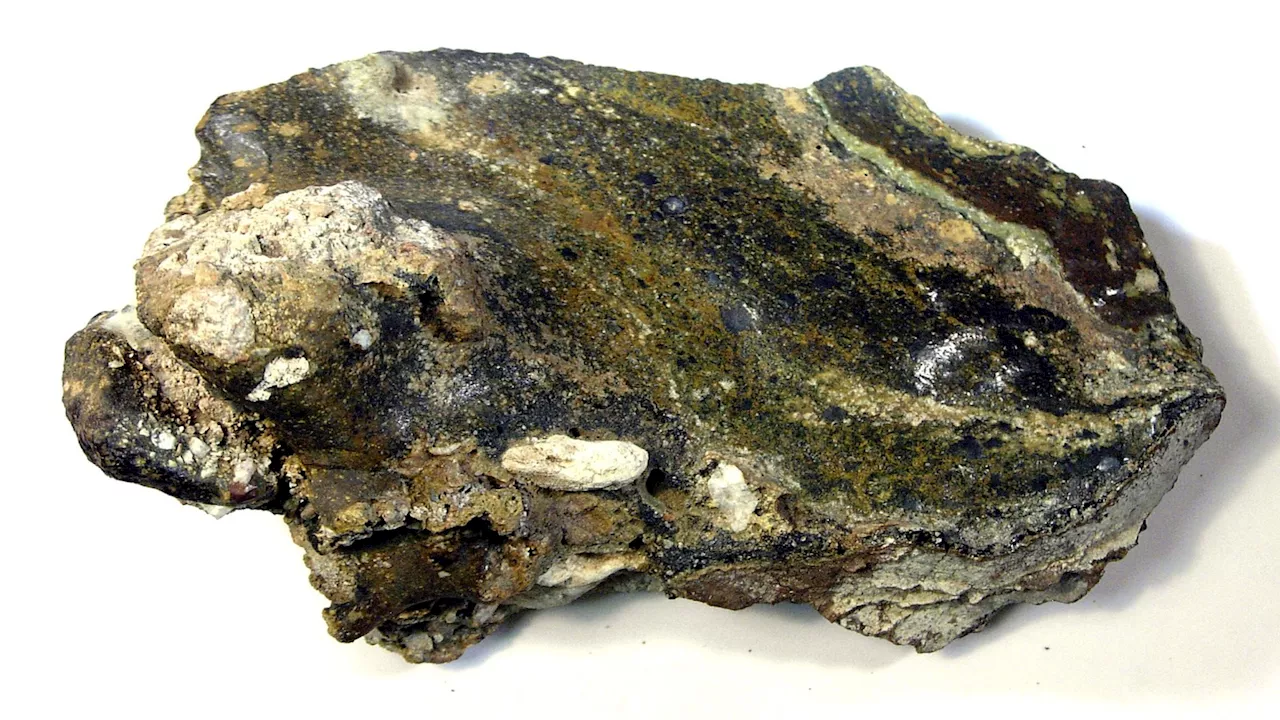
Researchers at the Massachusetts Institute of Technology (MIT) have developed a novel approach using CT scanning to explore ancient copper smelting processes. This technique was applied to analyze slag, a byproduct of metal production, shedding light on the technological capabilities of early civilizations.
Revolutionizing the Study of Ancient Metallurgy
The advent of metallurgy marked a significant milestone in human history, enabling the extraction and processing of metals. By delving into the production methods employed by ancient metallurgists, researchers aim to understand how these early societies created metal artifacts. “The goal is to understand, from start to finish, how they accomplished making these shiny metal products,” MIT researchers stated.
Despite the historical significance of metallurgy, evidence regarding the production methods used by ancient civilizations has remained scarce. In a groundbreaking study, MIT researchers adapted existing CT scanning technology to investigate slag from an archaeological site in Tepe Hissar, Iran. This region is recognized as one of the earliest locations where evidence of copper processing has been found, dating back to between 3100 and 2900 BCE.
CT Scanning: A New Tool for Archaeological Insight
The researchers employed a combination of an industrial CT scanner and a standard scanner available on campus to conduct their analysis. Slag forms when ores are heated to extract metal, resulting in a molten substance that solidifies upon cooling. According to MIT News, slag is chemically complex, making it challenging to interpret within the context of modern metallurgical practices. It contains various unwanted elements that complicate the understanding of ancient metal production processes.
“There’s always been a question in archaeometallurgy if we can use arsenic and similar elements in these remains to learn something about the metal production process,” MIT researchers noted.
In addition to CT scanning, the team utilized traditional methods such as X-ray fluorescence, X-ray diffraction, and optical and scanning electron microscopy. The CT scans proved particularly valuable, providing a detailed overview of the internal structure of the slag and identifying pores and other material traces that may have been overlooked in previous studies.
These findings are igniting new discussions among researchers regarding ancient metal processing techniques. The role of arsenic, in particular, has sparked debate about its significance in early metallurgy. As the study progresses, MIT scientists emphasize the potential of CT scanning as a powerful tool in archaeology, facilitating more systematic studies of ancient materials and processes.
MIT researchers concluded, “This should be an important lever for more systematic studies of the copper aspect of smelting, and also for continuing to understand the role of arsenic.” They anticipate that this innovative approach will enhance understanding of corrosion and the long-term stability of artifacts, paving the way for further investigations into ancient metallurgy.

Shooting Near Civic Center: Man Killed in Late-Night Attack

CPS Energy Prepares for Winter with Enhanced Infrastructure and Predictions

Cartoonist Drew Sheneman Illustrates Jealousy in New Work

Study Links Hormone-Disrupting Chemicals to Skin Condition

Cape Cod Estate Near Kennedy Compound Lists for $21.5 Million

Trump’s Doctor Reveals MRI Details from Annual Physical Exam

SpaceX Set to Launch 60th Falcon 9 Rocket from Vandenberg

Illinois Soybean Association Announces Free ‘Talk Dirt to Me’ Workshop

Austin Weather Alert: Rain Today, Sunshine This Weekend

Ohio State Study Uncovers Brain Connectivity and Function Links

Hamas Chief Stresses Disarmament Tied to Occupation’s End

Megan Thee Stallion Exposes Alleged Online Attack by Bots

University of Hawaiʻi Joins $25.6M AI Project for Disaster Monitoring

Researchers Challenge 200-Year-Old Physics Principle with Atomic Engines

Paloma Elsesser Shines at LA Event with Iconic Slicked-Back Bun

FDA Unveils Plan to Cut Drug Prices and Boost Biosimilars

Federal Agents Detain Driver in Addison; Protests Erupt Immediately

Motley Fool Wealth Management Reduces Medtronic Holdings by 14.7%
-
 Science1 month ago
Ohio State Study Uncovers Brain Connectivity and Function Links
-
 Politics1 month ago
Hamas Chief Stresses Disarmament Tied to Occupation’s End
-
 Entertainment1 month ago
Megan Thee Stallion Exposes Alleged Online Attack by Bots
-
Science4 weeks ago
University of Hawaiʻi Joins $25.6M AI Project for Disaster Monitoring
-
 Science2 months ago
Researchers Challenge 200-Year-Old Physics Principle with Atomic Engines
-
 Entertainment1 month ago
Paloma Elsesser Shines at LA Event with Iconic Slicked-Back Bun
-
 World1 month ago
FDA Unveils Plan to Cut Drug Prices and Boost Biosimilars
-
 Top Stories1 month ago
Federal Agents Detain Driver in Addison; Protests Erupt Immediately
-
 Business1 month ago
Motley Fool Wealth Management Reduces Medtronic Holdings by 14.7%
-

 Entertainment1 month ago
Beloved Artist and Community Leader Gloria Rosencrants Passes Away
-

 Science2 weeks ago
ALMA Discovers Companion Orbiting Giant Star π 1 Gruis
-

 Politics2 months ago
NHP Foundation Secures Land for 158 Affordable Apartments in Denver