
Politics
Lewiston City Council Explores Prayer at Meeting Openings

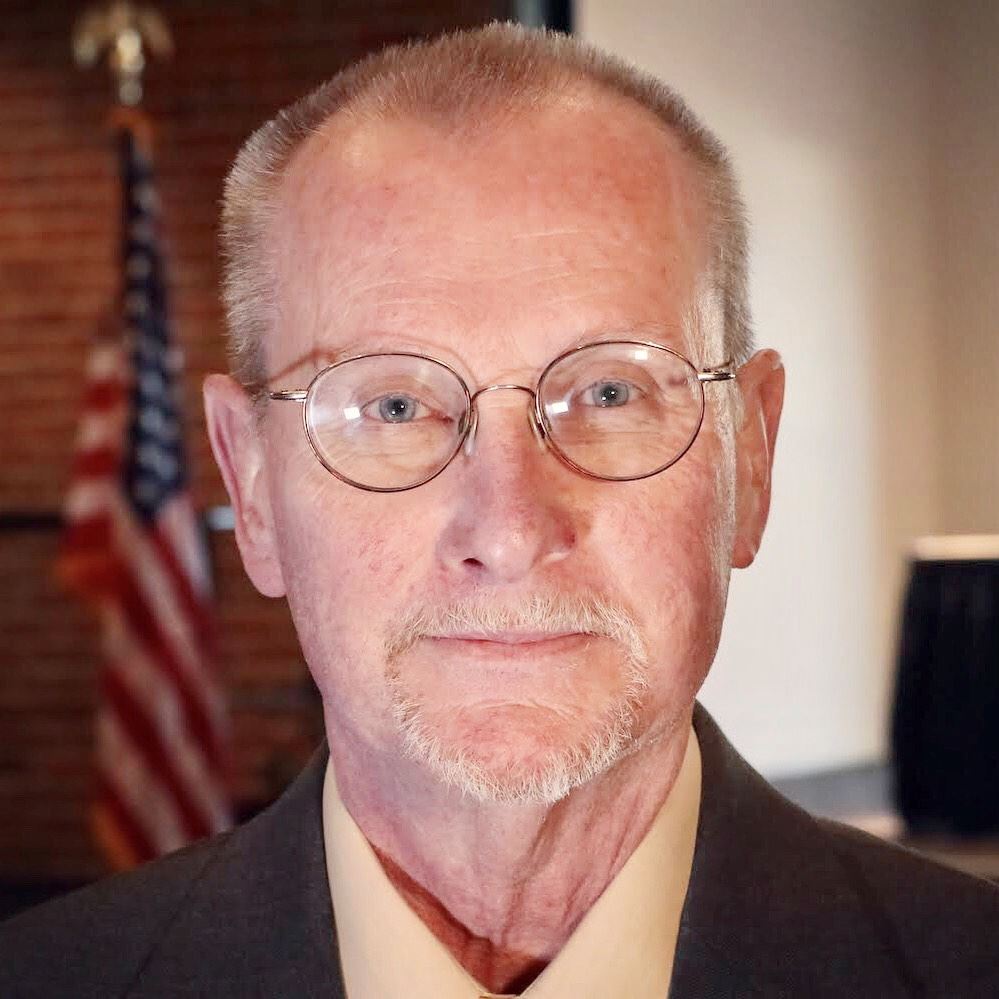
The Lewiston City Council is considering introducing a prayer at the beginning of its meetings. During a recent work session on October 16, 2023, the council discussed this proposal without reaching a formal vote. Councilor Jessica Klein initiated the conversation, directing her colleagues to explore the potential benefits and implications of such a change.
Klein believes that starting meetings with a prayer could provide “additional guidance” to council members. She noted that similar practices are already in place at the federal level, where both the U.S. Senate and U.S. House of Representatives begin sessions with a prayer. According to a report included in the council’s meeting materials, prepared by Dan Chambers, the pastor of Klein’s church, Tammany View Baptist, the council could designate a local police chaplain to lead the prayer. Although Lewiston currently lacks a police chaplain, Klein mentioned the possibility of adopting a lottery system, similar to that of Coeur d’Alene, to select individuals to offer prayers.
With 36 council meetings scheduled annually and approximately 40 churches in Lewiston, Klein emphasized that this initiative could enhance community involvement. She suggested that the invocation might take various forms, including a moment of silence or a prayer delivered by a council member.
Implementing a prayer would require the council to pass a resolution, amending city code to incorporate an invocation into the list of activities defined as “opening exercises.” Currently, the “opening exercises” include calls to order, the pledge of allegiance, and public comments, as outlined on the city of Lewiston’s official website.
Council members expressed differing opinions regarding the proposal. Councilor John Spickelmire indicated support if it would not impose additional duties on staff and enhance decision-making. Councilor Matthew Wright echoed this sentiment, suggesting that inviting local clergy to lead prayers could foster greater participation from their congregations.
In contrast, Council President Jim Kleeburg voiced his opposition, cautioning that the council’s primary responsibility is policy setting. He raised concerns about unintended consequences, suggesting that the inclusion of prayers could lead to requests from various religious groups, creating potential conflicts. Kleeburg asserted that the council should not engage in practices that may not align with the community’s evolving views on organized religion, noting a decline in participation across faiths in the United States over the past decade.
Klein acknowledged the challenges of implementing a prayer policy, stating that while the council cannot discriminate against prayer providers, there would be guidelines to ensure that the prayers do not promote specific faiths or solicit new memberships. She highlighted that many cities have established frameworks to navigate these issues and mitigate the risk of legal challenges.
Despite the potential for offense, Klein emphasized that participation in prayer would not be mandatory. “As an adult, you have the ability to participate or not participate in prayer,” she stated, reinforcing the idea that attendance at council meetings should remain inclusive.
Councilor Kassee Forsmann supported further research into the proposal, particularly examining how other municipalities have successfully integrated prayer into their meetings. The council plans to revisit this topic in a future session as they gather more information.
This ongoing discussion reflects broader societal questions about the role of religion in public life and the balance between tradition and inclusivity in community governance.

Connecticut Police Urge Caution as First Snowfall Hits Tuesday

Skateboarder Terry Kennedy to Be Released from Prison Dec. 31

Lewiston City Council Explores Prayer at Meeting Openings

Beloved Community Member Louise Medina Passes Away at 83

CD Projekt Red Confirms New Witcher Game Delayed Beyond 2026

Pope Leo XIV Prays for Justice at Beirut Port Explosion Site

American Century Increases Stake in ConnectOne Bancorp by 24.5%

CD Projekt Red Confirms No Release for New Witcher Game in 2026

Ford Unveils Facelifted Mondeo for 2026, Launches Soon in China

Ohio State Study Uncovers Brain Connectivity and Function Links

Hamas Chief Stresses Disarmament Tied to Occupation’s End

Megan Thee Stallion Exposes Alleged Online Attack by Bots

University of Hawaiʻi Joins $25.6M AI Project for Disaster Monitoring

Researchers Challenge 200-Year-Old Physics Principle with Atomic Engines

Paloma Elsesser Shines at LA Event with Iconic Slicked-Back Bun

FDA Unveils Plan to Cut Drug Prices and Boost Biosimilars

Federal Agents Detain Driver in Addison; Protests Erupt Immediately

Motley Fool Wealth Management Reduces Medtronic Holdings by 14.7%
-
 Science1 month ago
Ohio State Study Uncovers Brain Connectivity and Function Links
-
 Politics1 month ago
Hamas Chief Stresses Disarmament Tied to Occupation’s End
-
 Entertainment1 month ago
Megan Thee Stallion Exposes Alleged Online Attack by Bots
-
Science4 weeks ago
University of Hawaiʻi Joins $25.6M AI Project for Disaster Monitoring
-
 Science2 months ago
Researchers Challenge 200-Year-Old Physics Principle with Atomic Engines
-
 Entertainment1 month ago
Paloma Elsesser Shines at LA Event with Iconic Slicked-Back Bun
-
 World1 month ago
FDA Unveils Plan to Cut Drug Prices and Boost Biosimilars
-
 Top Stories1 month ago
Federal Agents Detain Driver in Addison; Protests Erupt Immediately
-
 Business1 month ago
Motley Fool Wealth Management Reduces Medtronic Holdings by 14.7%
-

 Entertainment1 month ago
Beloved Artist and Community Leader Gloria Rosencrants Passes Away
-

 Science3 weeks ago
ALMA Discovers Companion Orbiting Giant Star π 1 Gruis
-

 Politics2 months ago
NHP Foundation Secures Land for 158 Affordable Apartments in Denver