
Politics
Congress Fails to Act on Obamacare Subsidies, Resetting Talks

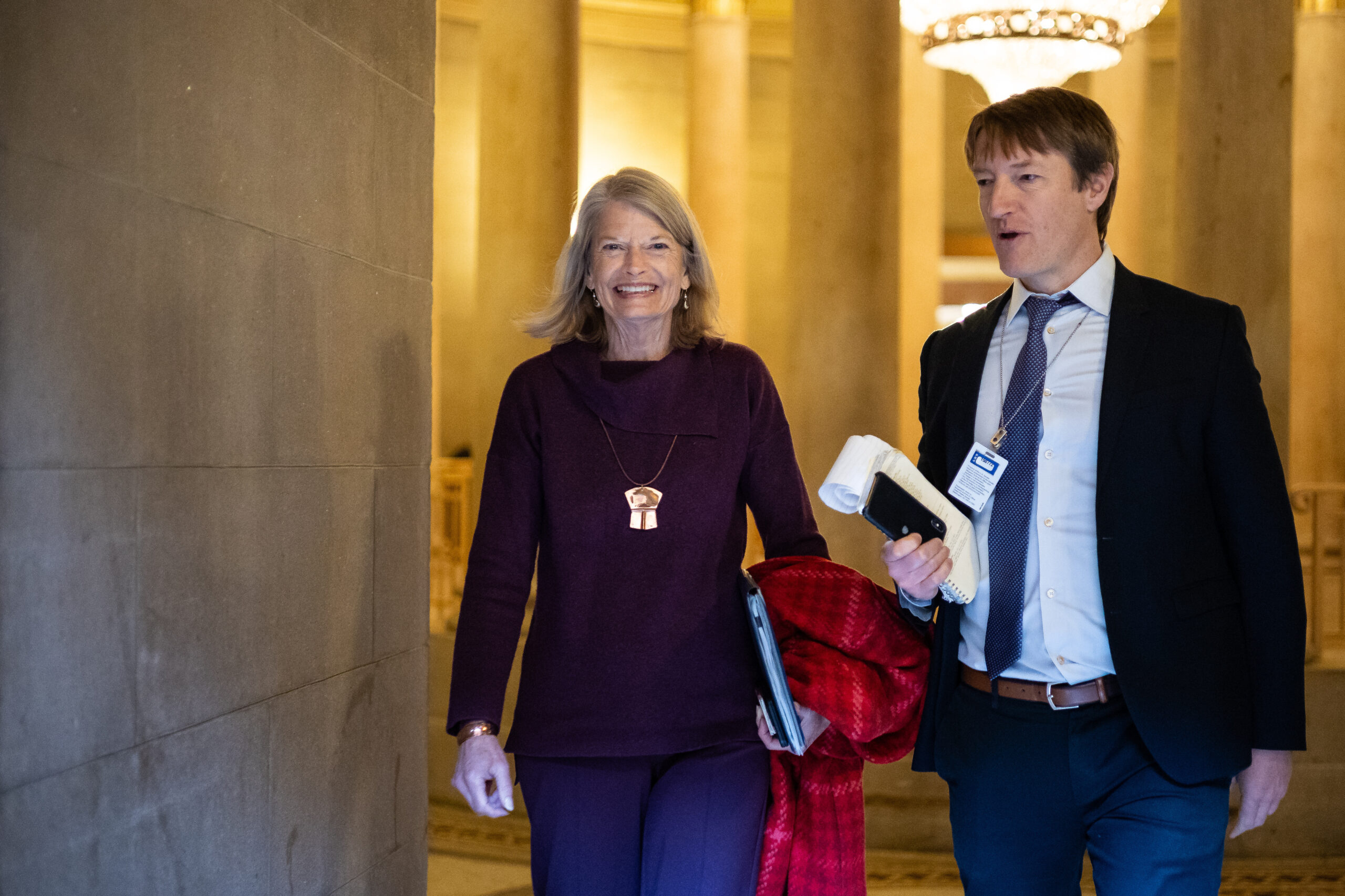
Negotiations regarding subsidies for the Affordable Care Act, commonly known as Obamacare, have stalled as Congress has not taken action. With 2025 approaching, some Republican lawmakers are exploring the possibility of reaching a deal before the year ends, though skepticism remains widespread within the party.
The failure to advance discussions on subsidies affects millions of Americans who rely on these financial aids to access health insurance. These subsidies play a critical role in making healthcare affordable for low- and middle-income families. According to the U.S. Department of Health and Human Services, over 30 million Americans currently benefit from the Affordable Care Act, underscoring the potential impact of Congress’s inaction.
As the legislative calendar draws to a close, the urgency to finalize any agreement increases. Republicans have expressed divided opinions on how to approach the negotiations. Some members are keen to find a solution that would extend and enhance the subsidies, while others remain resistant to further investments in the health care program. This internal conflict complicates the potential for a consensus.
In recent weeks, key Republican leaders have voiced their concerns about the sustainability of the current subsidy framework. They argue that without substantial reforms, the financial burden on taxpayers could escalate. Party members are now debating whether to propose adjustments to the existing subsidies or to allow them to expire altogether.
Efforts to find common ground have also faced challenges from Democrats, who advocate for stronger protections and increased funding for the Affordable Care Act. Democratic lawmakers have warned that failing to extend the subsidies could lead to significant coverage losses and increased healthcare costs for millions.
As the year progresses, it remains to be seen if Republicans can unify around a strategy that addresses both fiscal concerns and the health care needs of their constituents. The political landscape is shifting, and the implications of this legislation will affect not just healthcare access, but also the broader economic stability of many families.
With the clock ticking down towards the end of 2025, stakeholders from various backgrounds are closely monitoring the developments. The outcome of these discussions could reshape the healthcare landscape in the United States for years to come, making it imperative for Congress to act decisively.

Senate Vote Fails, Leaving Millions Facing Rising Health Premiums

Amy Duggar Reflects on Shallow Relationships with Cousins

Congress Fails to Act on Obamacare Subsidies, Resetting Talks

NASA’s Chandra Reveals Smaller Galaxies Rarely Host Black Holes

Snoop Dogg Appointed Team USA’s First Honorary Coach for 2026 Olympics

Europe Faces Deepening Crisis Amid Political and Economic Challenges

Massachusetts Tax Rebates Begin Today: Check Your Bank Accounts!

TikTok Sensation Vintage Dusties Hits 745K Followers, Shares Tips!

Texas Launches Urgent Holiday DWI Crackdown: Stay Safe Now!

Ohio State Study Uncovers Brain Connectivity and Function Links

Hamas Chief Stresses Disarmament Tied to Occupation’s End

University of Hawaiʻi Joins $25.6M AI Project for Disaster Monitoring

Megan Thee Stallion Exposes Alleged Online Attack by Bots

ALMA Discovers Companion Orbiting Giant Star π 1 Gruis

Researchers Challenge 200-Year-Old Physics Principle with Atomic Engines

Paloma Elsesser Shines at LA Event with Iconic Slicked-Back Bun

FDA Unveils Plan to Cut Drug Prices and Boost Biosimilars

Motley Fool Wealth Management Reduces Medtronic Holdings by 14.7%
-
 Science2 months ago
Ohio State Study Uncovers Brain Connectivity and Function Links
-
 Politics2 months ago
Hamas Chief Stresses Disarmament Tied to Occupation’s End
-
Science1 month ago
University of Hawaiʻi Joins $25.6M AI Project for Disaster Monitoring
-
 Entertainment2 months ago
Megan Thee Stallion Exposes Alleged Online Attack by Bots
-
 Science4 weeks ago
ALMA Discovers Companion Orbiting Giant Star π 1 Gruis
-
 Science2 months ago
Researchers Challenge 200-Year-Old Physics Principle with Atomic Engines
-
 Entertainment2 months ago
Paloma Elsesser Shines at LA Event with Iconic Slicked-Back Bun
-
 World1 month ago
FDA Unveils Plan to Cut Drug Prices and Boost Biosimilars
-
 Business1 month ago
Motley Fool Wealth Management Reduces Medtronic Holdings by 14.7%
-

 Top Stories2 months ago
Federal Agents Detain Driver in Addison; Protests Erupt Immediately
-

 Entertainment1 month ago
Beloved Artist and Community Leader Gloria Rosencrants Passes Away
-

 Science2 months ago
Innovator Captures Light at 2 Billion Frames Per Second