
Health
Researchers Uncover Why Men Suffer More from Gum Disease

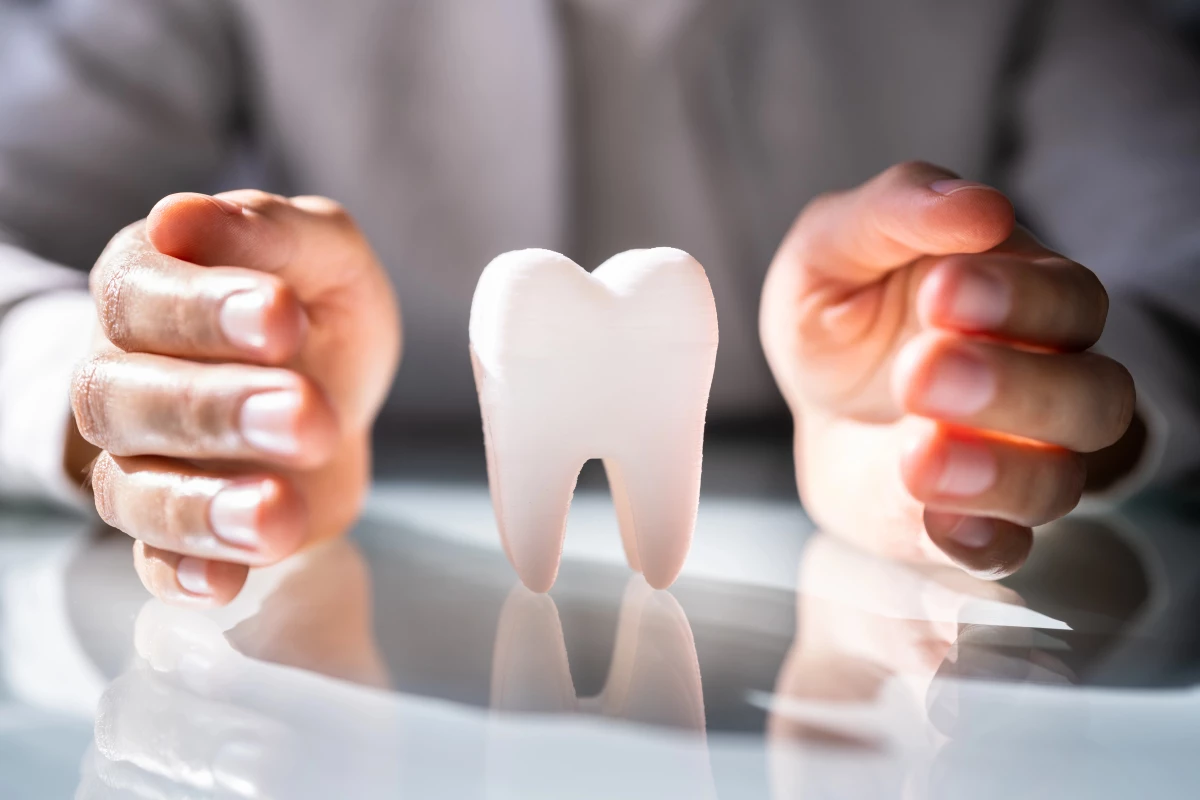
Recent research has identified a specific cause for the increased prevalence and severity of dental diseases such as gum disease and tooth decay among men. Scientists at the University of North Carolina at Chapel Hill have pinpointed the inflammatory protein, interleukin-1 beta (IL-1β), as a significant factor contributing to periodontitis, a condition that often leads to tooth loss.
The study reveals that men exhibit higher levels of IL-1β in the fluid found in the gingival crevice, the area between the gums and teeth. This heightened inflammatory response may exacerbate the symptoms of periodontitis, making gum and bone loss more pronounced during infections. While it was previously believed that behavioral factors, such as poorer oral hygiene and fewer dental visits, primarily accounted for men’s higher susceptibility, this research highlights the importance of biological differences in inflammation response.
Discovering the Role of IL-1β
The researchers analyzed data from approximately 6,200 human samples across three studies. They found that the inflammatory response, particularly the activity of IL-1β, plays a crucial role in the progression of periodontitis in men. “Our paradigm-shifting work not only pinpoints the inflammasome as a causal driver of male-biased periodontitis but also demonstrates a clear path for the development of sex-stratified therapeutics in periodontics,” stated Julie Marchesan from the UNC Adams School of Dentistry.
In addition to human studies, the researchers employed a mouse model to further explore the connection. They discovered that male mice exhibited significantly higher IL-1β secretion compared to their female counterparts. Interestingly, male mice lacking the inflammasome gene showed reduced bone loss related to dental disease. Furthermore, when treated with a drug designed to inhibit IL-1β, these mice experienced a marked decrease in inflammatory cell infiltration, indicating a potential pathway for therapeutic intervention.
Implications for Treatment and Future Research
The findings suggest that targeting IL-1β could lead to more effective treatments for periodontitis, especially in male patients. The research opens avenues for sex-specific studies aimed at understanding how inflammatory diseases develop differently in males and females. While the role of IL-1β in females has yet to be clarified, the current study indicates that the male reproductive system may significantly influence this immune response.
According to the Centers for Disease Control and Prevention (CDC), approximately two in five adults aged 30 years or older in the United States suffer from some degree of periodontitis. The statistics become more concerning among men, with about one in two affected compared to one in three women. Furthermore, it is estimated that 60% of people over the age of 65 experience this condition.
Marchesan emphasized the potential of this research to foster the development of therapies targeting the inflammasome, which could specifically benefit male patients. The study was published in the journal Proceedings of the National Academy of Sciences, highlighting its significance in advancing understanding and treatment of periodontal diseases.
As researchers continue to explore the implications of these findings, there is hope that targeted interventions can improve outcomes for those affected by periodontitis, thereby enhancing overall dental health across genders.

South Korea’s Air Premia Launches New Route to Washington D.C.

World CopperSmith and Anna Dinger Unveil Chic Kitchen Makeover

Candlelight Concerts in Upstate NY Offer 30% Discounts for Cyber Monday

Understand Tooth Extraction: What to Expect at Every Stage

Thomas University Celebrates New Inductees into TriBeta Honor Society

Wentzville Launches Urgent Initiative for Smarter Waste Management

Franklin County Food Pantries Surge Support Ahead of Winter Crisis

Maine Sees 70% Surge in Older Adults Seeking Opioid Treatment

Trump Proposes $2,000 Stimulus Checks Amid Government Shutdown

Ohio State Study Uncovers Brain Connectivity and Function Links

Hamas Chief Stresses Disarmament Tied to Occupation’s End

Megan Thee Stallion Exposes Alleged Online Attack by Bots

University of Hawaiʻi Joins $25.6M AI Project for Disaster Monitoring

Researchers Challenge 200-Year-Old Physics Principle with Atomic Engines

Paloma Elsesser Shines at LA Event with Iconic Slicked-Back Bun

FDA Unveils Plan to Cut Drug Prices and Boost Biosimilars

Federal Agents Detain Driver in Addison; Protests Erupt Immediately

Motley Fool Wealth Management Reduces Medtronic Holdings by 14.7%
-
 Science1 month ago
Ohio State Study Uncovers Brain Connectivity and Function Links
-
 Politics1 month ago
Hamas Chief Stresses Disarmament Tied to Occupation’s End
-
 Entertainment1 month ago
Megan Thee Stallion Exposes Alleged Online Attack by Bots
-
Science4 weeks ago
University of Hawaiʻi Joins $25.6M AI Project for Disaster Monitoring
-
 Science2 months ago
Researchers Challenge 200-Year-Old Physics Principle with Atomic Engines
-
 Entertainment1 month ago
Paloma Elsesser Shines at LA Event with Iconic Slicked-Back Bun
-
 World1 month ago
FDA Unveils Plan to Cut Drug Prices and Boost Biosimilars
-
 Top Stories1 month ago
Federal Agents Detain Driver in Addison; Protests Erupt Immediately
-
 Business1 month ago
Motley Fool Wealth Management Reduces Medtronic Holdings by 14.7%
-

 Entertainment1 month ago
Beloved Artist and Community Leader Gloria Rosencrants Passes Away
-

 Science2 weeks ago
ALMA Discovers Companion Orbiting Giant Star π 1 Gruis
-

 Politics2 months ago
NHP Foundation Secures Land for 158 Affordable Apartments in Denver