
Health
New York City Sees Rise in HIV Diagnoses Amid Funding Fears

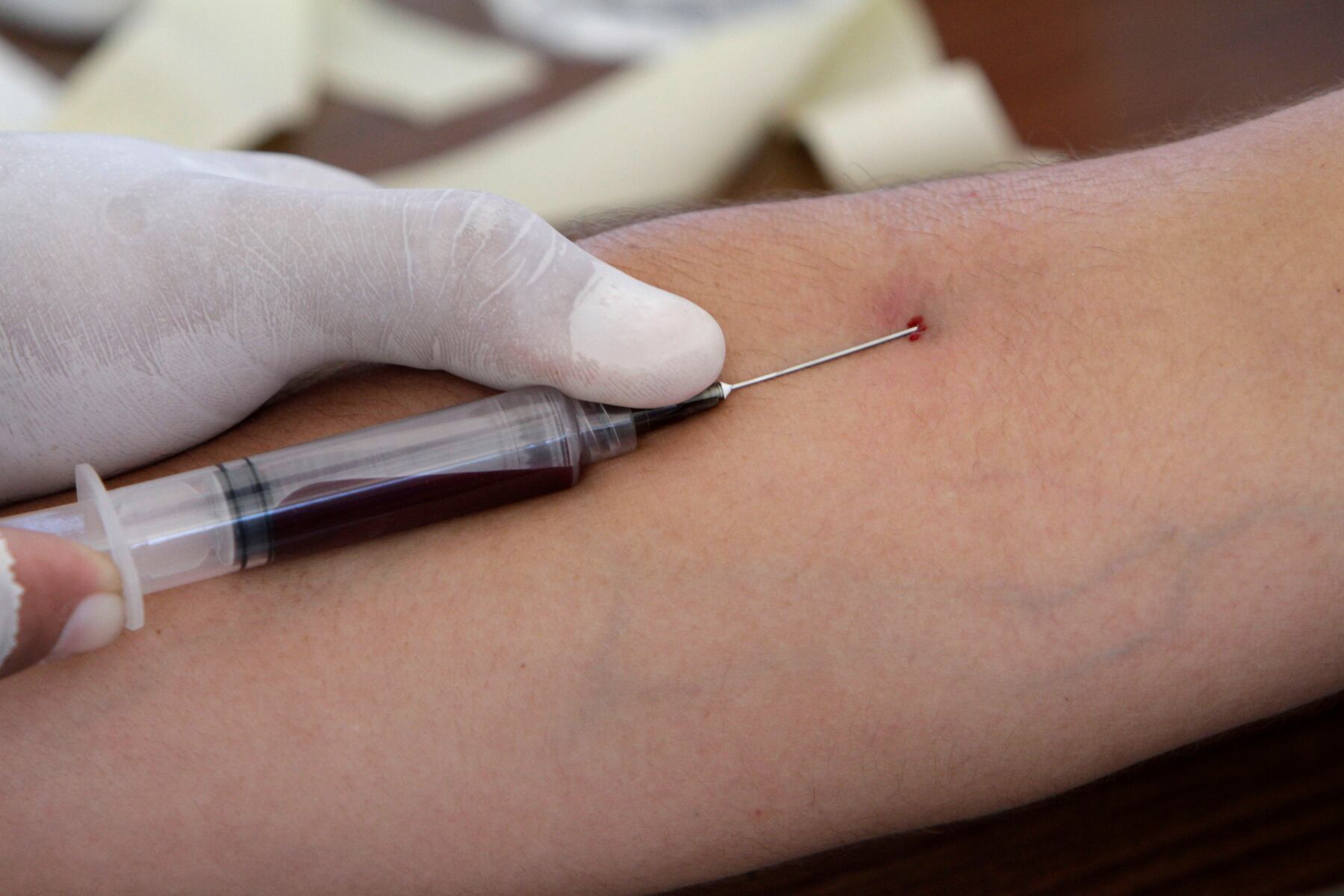
The latest HIV Surveillance Annual Report from New York City reveals a troubling increase in HIV diagnoses while health officials express serious concerns regarding potential federal budget cuts. In 2024, the city recorded 1,791 new HIV diagnoses, marking a 5.4% increase compared to the previous year. This upward trend raises alarms as the city grapples with the implications of proposed reductions in funding for HIV prevention initiatives.
On Staten Island alone, 39 new cases of HIV were reported in 2024. Overall, data indicates that 2,608 borough residents are currently living with HIV, with 44 related deaths recorded. The report highlights significant racial and ethnic disparities among new diagnoses, attributing these inequalities to factors such as structural racism, poverty, and inadequate access to healthcare. According to the New York City Department of Health and Mental Hygiene, approximately 86% of those newly diagnosed in 2024 were Black or Latino/Latina.
Funding Cuts Threaten Progress
These alarming statistics emerge in the context of impending federal budget cuts. The federal government has proposed eliminating the entire Division of HIV Prevention at the Centers for Disease Control and Prevention (CDC) and withdrawing $755 million in funding for HIV prevention efforts. If these cuts are enacted, New York City’s health department could lose over $41 million—a vital resource for identifying new cases, connecting individuals to treatment, and providing partner services.
Despite significant improvements over the past 25 years, city health experts warn that progress has stagnated. Since 2001, new HIV diagnoses in New York City have decreased by more than 70%. Yet, the last four years have seen new diagnoses either increase or plateau, raising concerns about the effectiveness of ongoing efforts to combat the epidemic.
Acting Health Commissioner Dr. Michelle Morse emphasized the need for continued commitment to addressing HIV in the city, stating, “In the last three decades, we’ve made immense progress toward ending the HIV epidemic in New York City. Yet this progress has stalled as new diagnoses have increased or remained stable for the fourth year in a row.”
As the city navigates these challenges, the combination of rising diagnoses and potential loss of critical funding underscores the urgent need for renewed investment in public health initiatives to continue the fight against HIV.

Grandmother Faces Daughter’s Strict Rules Over Grandson’s Care

ECB’s Rehn Urges Flexibility on Rates Amid Inflation Concerns

Anderson Silva Praises Jake Paul as a ‘Real Fighter’ Ahead of Fight

Australian Woman Fights for Life After Cosmetic Surgery in Vietnam

Amundi Expands Stake in Equitable Holdings with New Share Purchase

Yoon Kye Sang Investigates Explosions in New Episode of “Heroes Next Door”

Early Immunotherapy Administration Boosts Survival in Lung Cancer Patients

Discover Fun White Elephant Gifts Under $30 for Everyone

Must-Have White Elephant Gifts Under $30 for 2023 Parties

Ohio State Study Uncovers Brain Connectivity and Function Links

Hamas Chief Stresses Disarmament Tied to Occupation’s End

University of Hawaiʻi Joins $25.6M AI Project for Disaster Monitoring

Megan Thee Stallion Exposes Alleged Online Attack by Bots

ALMA Discovers Companion Orbiting Giant Star π 1 Gruis

Researchers Challenge 200-Year-Old Physics Principle with Atomic Engines

Paloma Elsesser Shines at LA Event with Iconic Slicked-Back Bun

FDA Unveils Plan to Cut Drug Prices and Boost Biosimilars

Federal Agents Detain Driver in Addison; Protests Erupt Immediately
-
 Science1 month ago
Ohio State Study Uncovers Brain Connectivity and Function Links
-
 Politics1 month ago
Hamas Chief Stresses Disarmament Tied to Occupation’s End
-
Science1 month ago
University of Hawaiʻi Joins $25.6M AI Project for Disaster Monitoring
-
 Entertainment1 month ago
Megan Thee Stallion Exposes Alleged Online Attack by Bots
-
 Science3 weeks ago
ALMA Discovers Companion Orbiting Giant Star π 1 Gruis
-
 Science2 months ago
Researchers Challenge 200-Year-Old Physics Principle with Atomic Engines
-
 Entertainment1 month ago
Paloma Elsesser Shines at LA Event with Iconic Slicked-Back Bun
-
 World1 month ago
FDA Unveils Plan to Cut Drug Prices and Boost Biosimilars
-
 Top Stories1 month ago
Federal Agents Detain Driver in Addison; Protests Erupt Immediately
-

 Entertainment1 month ago
Beloved Artist and Community Leader Gloria Rosencrants Passes Away
-

 Business1 month ago
Motley Fool Wealth Management Reduces Medtronic Holdings by 14.7%
-

 Politics2 months ago
NHP Foundation Secures Land for 158 Affordable Apartments in Denver